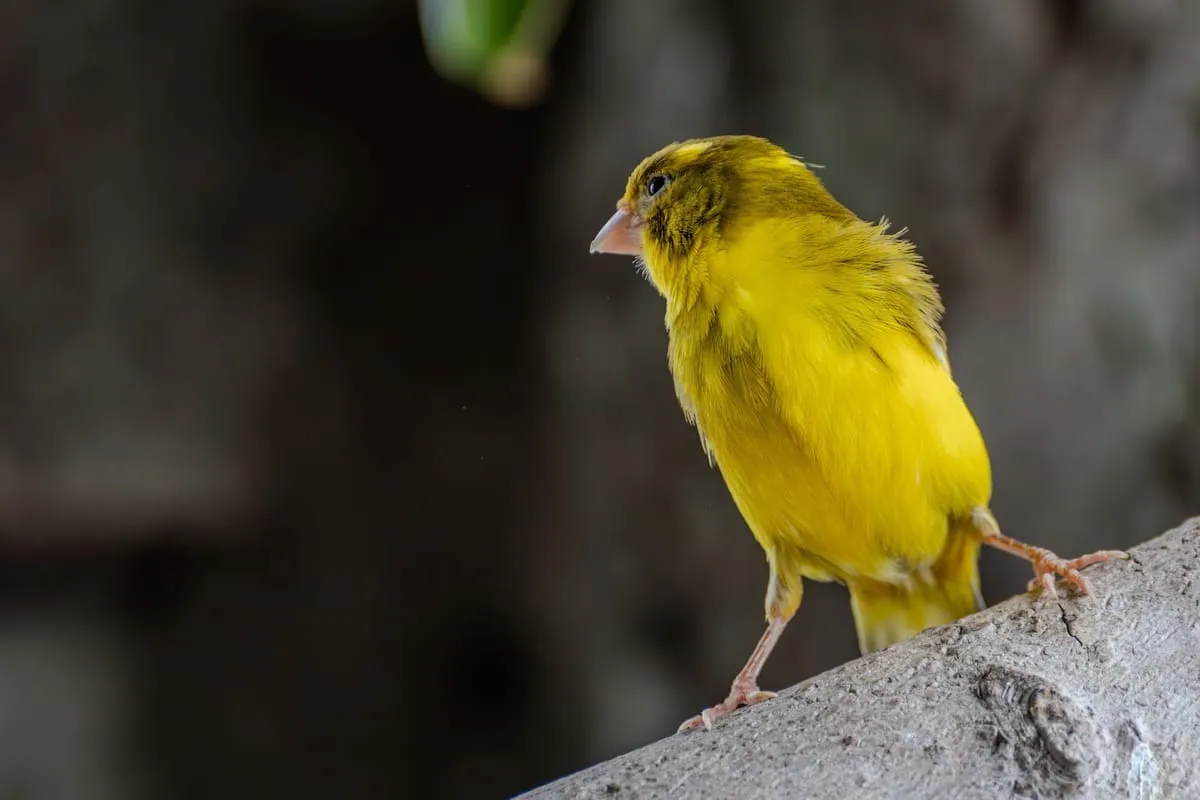
The canary is the classic cage bird, the one most people picture before they picture a parrot, and it has earned that reputation honestly: a small, hardy, long-domesticated songbird prized for centuries for its voice. It is also a bird that gets set up to fail more often than it should, usually by owners who treat it like a small budgie and expect the same social, hands-on relationship. A canary is a genuinely different kind of pet bird, and understanding that difference is most of what it takes to keep one well.
A singer, not a cuddler
The first thing to get right about a canary is what kind of companionship it actually offers.
Canaries are naturally flighty songbirds, not parrots, and the overwhelming majority never become comfortable being handled or picked up, even with patient, gentle work over time. That is not a training failure, it is the bird being exactly what it evolved to be. What a canary does offer is genuinely rewarding in its own right: movement, colour, and above all song, with a male canary’s voice being the whole point of keeping the breed for a great many owners. Females sing rarely or not at all as a rule, so anyone specifically wanting a singer should confirm they are getting a male. Song tends to be strongest and most frequent in spring and can carry further than people expect from such a small bird, which is worth considering in a flat with thin walls.
Housing built for flight, not climbing
A canary’s cage needs to answer a different question than a parrot’s does.
Where a parrot’s cage is mostly about climbing, chewing, and foraging, a canary is built to fly rather than clamber, so width matters far more than height or floor space. A cage that is noticeably wider than it is tall, with two or three perches of varying thickness spaced well apart so the bird has to actually fly between them rather than hop, suits a canary’s body and behaviour much better than a tall, narrow cage with perches crowded close together. Position it out of direct sun and draughts, somewhere it gets a consistent day and night light cycle, and cover it at night the same way covered in what are night frights in birds, since a sudden light or shadow can startle a sleeping canary as easily as any other bird.
Solitary by nature
Unlike a budgie or lovebird, company is not something to default into for a canary.
Canaries are largely territorial and solitary outside of breeding, and males in particular will often fight rather than bond if housed together in anything smaller than a proper aviary. A single, well-stimulated canary in a good-sized cage with a view, natural light, and daily interaction from you does perfectly well alone, and is in fact the standard, recommended way to keep one. The exception is a deliberate, prepared pairing of a male and female for breeding, which comes with its own separate setup, space, and knowledge requirements well beyond ordinary pet-keeping and is worth researching properly before attempting rather than backing into by accident.
Diet and the annual molt
Feeding a canary well means going beyond the seed mix sold specifically under its name.
A base of a proper canary and finch seed blend is a reasonable foundation, but it works best alongside a daily offering of safe fresh greens and vegetables, with seed as part of the diet rather than the whole of it, for the same reasons covered generally in why an all-seed diet is bad for your bird. A cuttlebone or mineral grit supplies calcium that a seed-heavy diet otherwise lacks. Once a year, usually in late summer, a canary goes through a full molt, growing a complete new set of feathers, and this is when a soft egg food earns its keep, giving the extra protein feather growth demands. Song often quietens or stops during this period and the bird can look scruffy and spend more time resting, which is normal rather than a cause for alarm.
Who a canary actually suits
A canary suits someone who wants the genuine presence of a bird, movement, colour, and song, without taking on the handling, training, and social demands a parrot or budgie asks for. It rewards a calm spot with good natural light and rewards patience with a voice that, in a good male, is genuinely one of the most pleasant sounds a small pet can offer. It is a poor fit for anyone wanting a bird to hold, train, or talk to directly, for anyone hoping to house two or more together for company, or for anyone in a space where a loud, carrying song at dawn would cause a real problem. Get the cage width, the solitary housing, and the diet right, and a canary asks for comparatively little while giving back a great deal, just not in the way a parrot owner might expect.
Common questions
- Does a canary need a companion bird?
- Usually not, and this is the opposite of the advice for a budgie or lovebird. Canaries are largely solitary and territorial, especially males, and two housed together often end up fighting rather than bonding. A single canary kept in a stimulating cage with plenty to see and hear does well on its own. Only pair a male and female deliberately if you are set up for breeding, which is a separate undertaking with its own demands.
- Why has my canary stopped singing?
- Most often it is completely normal. Canaries molt once a year, usually in late summer, and song typically drops off or stops during it while the bird's energy goes into growing new feathers. Only female canaries sing little or not at all as a rule, so a quiet bird may simply be female. Outside of molt, in a bird that has been a reliable singer, a sudden and lasting silence is worth watching alongside appetite and droppings, since it can be an early sign something is wrong.
- Can canaries be handled or tamed like a parrot?
- Not usually, and it is important to go in with that expectation. Canaries are naturally flighty songbirds, not parrots, and most never become comfortable being picked up or handled even with patient work. They are a bird you enjoy by sound and sight, watching them move and hearing them sing, rather than one you cuddle. Anyone wanting a hands-on, interactive bird is better served by a budgie, cockatiel, or parrot.
- What should canaries eat?
- A base of a good-quality canary and finch seed mix or formulated pellet, topped up daily with a variety of safe fresh greens and vegetables. During the annual molt and any breeding, a soft egg food gives useful extra protein. Grit or a cuttlebone supplies calcium. As with any pet bird, seed alone is not a complete diet.