A bird bringing food back up can mean one of two very different things, and the movement looks similar enough from across the room that new owners regularly mistake one for the other. Sometimes it is a genuine gift, a bird’s way of saying it considers you or a favourite toy part of its flock. Sometimes it is one of the clearer early signs that something is wrong inside a bird that, as always, is doing its best to hide it. Telling them apart matters, and it is very learnable once you know what to look for.
As always on health topics here: I am not a vet, and I keep and breed birds, I do not treat them. What follows helps you read what you are seeing and know when to act. It is not a substitute for an avian vet, and where the signs below point that way, that is where to go.
The affectionate version
For most birds, most of the time, regurgitation toward a person, a toy, or a mirror is a good sign, not a worrying one.
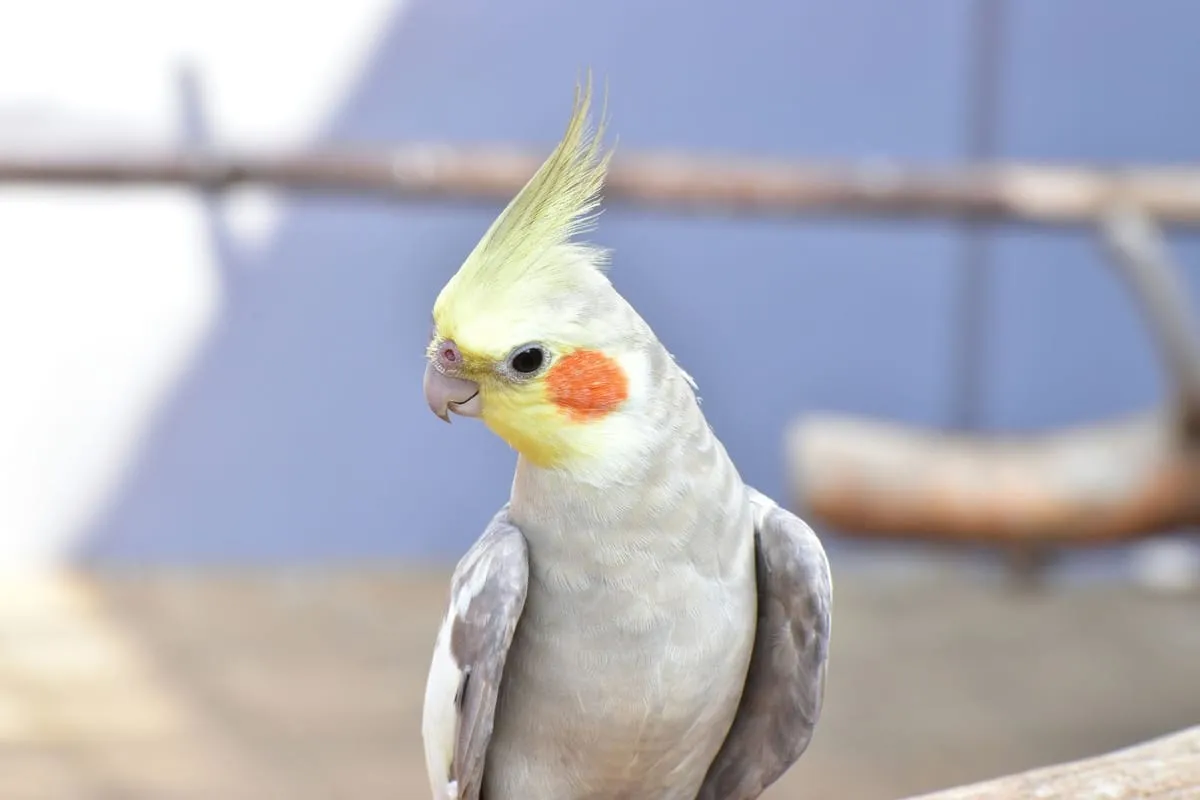
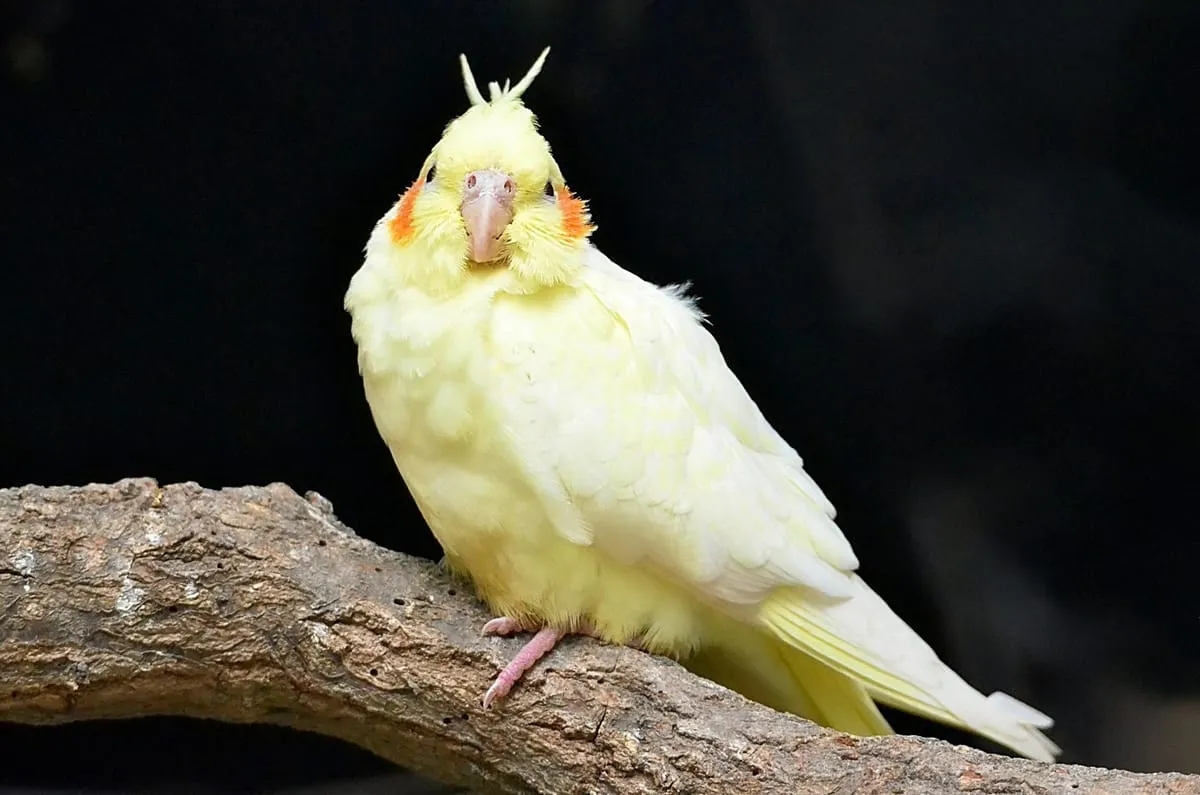
Bonded parrots, budgies, cockatiels and many other species regurgitate a small amount of food as a courtship or bonding gesture, mimicking the way a parent bird feeds a chick or the way a mated pair feeds each other. It usually comes with the same energetic head-bobbing covered in why does my bird bob its head, directed at a specific target, your hand, a mirror, a favourite toy, rather than happening at random, and the bird is otherwise bright, alert and behaving completely normally before and after. Some owners find it genuinely touching once they know what it is. Others would rather discourage it, and simply not making a fuss either way, neither rewarding it with extra attention nor punishing it, tends to let it settle at whatever level is normal for that individual bird.
The version that means something is wrong
Illness-related regurgitation tends to look and sound different once you know to watch for it, and it rarely travels alone.
It often happens repeatedly through the day regardless of who is nearby, rather than being aimed at a specific person or object, and the motion can look more forceful or effortful than the sharp, confident bob of a courting bird. Crop problems, including a crop infection sometimes called sour crop, or slow emptying known as crop stasis, are among the most common causes, and food brought up this way can smell distinctly foul or look abnormal, curdled, discoloured, or mixed with mucus. Heavy metal poisoning, from chewing on galvanized wire, old paint, or certain cheap metal toys, is a genuine cause in birds that have access to the wrong materials, and it often brings on repeated regurgitation alongside weakness or odd neurological signs. Proventricular dilatation disease, a serious viral condition mostly seen in parrots, causes chronic regurgitation and undigested food in the droppings as the digestive tract loses the ability to move food through properly. General gastrointestinal infections and some liver conditions can also present this way.
Telling regurgitation apart from vomiting
The two get confused constantly, and the distinction is genuinely useful since vomiting points more directly toward illness.
Regurgitation is a head-bobbing motion that brings food back up from the crop in a fairly controlled way, usually landing wherever the bird is aiming it. Vomiting is more effortful and involves the whole body rather than just the head and neck, often flinging food further and leaving it matted on the bird’s own face and head feathers rather than deliberately placed. A bird with crusted food around its beak and face, instead of food offered toward a target, is more likely vomiting, and that shifts the likely cause toward illness rather than affection.
What helps while you work out which one this is
While you are watching and deciding, a few things are worth doing regardless of which this turns out to be.
Note when it happens and who or what it is directed at, since a clear pattern toward one person or toy points toward the affectionate version, while regurgitation with no clear target and no obvious trigger points the other way. Check the broader signs that a bird is sick for anything else that has changed, since birds rarely show just one symptom in isolation once they are genuinely unwell.
Most regurgitation a bird owner sees is the harmless, even sweet, version, a bird telling you or its favourite toy that it considers you worth feeding. The version that is not harmless tends to show its hand through everything else going on around it: no clear target, a foul smell, a bird that is otherwise off colour. Learn what your own bird’s ordinary courtship regurgitation looks like on a good day, and the version that does not fit that pattern will stand out far faster when it actually matters.
Common questions
- Is it normal for my bird to regurgitate on me or its toys?
- Yes, very. Many birds, especially bonded parrots, budgies and cockatiels, regurgitate a small amount of food onto a favourite person, a mirror, or a toy as part of courtship or affection. It looks alarming the first time you see it land on your hand, but on its own, with a bird that is otherwise bright, eating normally and behaving as usual, it is not a medical concern.
- How do I tell affectionate regurgitation from a sick bird bringing food up?
- Context does most of the work. Affectionate regurgitation happens toward a specific person, toy or mirror, is a deliberate head-bobbing motion, and the bird is energetic and otherwise completely normal before and after. Illness-related regurgitation tends to happen repeatedly through the day regardless of who is around, often with more forceful or whole-body effort, and comes bundled with other signs such as fluffed-up posture, lethargy, reduced appetite, weight loss, or a foul smell to the food brought up.
- What is the difference between regurgitation and vomiting in birds?
- Regurgitation is a head-bobbing motion that brings food back up from the crop, usually without much mess beyond what lands where the bird is aiming. Vomiting is more effortful and whole-body, often flinging food further and getting it on the bird's own face and head feathers rather than placed deliberately. A bird with food matted around its face and head, rather than offered to a target, is more likely vomiting than displaying, and that distinction points toward illness.
- When does bird regurgitation need a same-day vet visit?
- Treat it as an emergency if regurgitation is frequent and not tied to courtship behaviour, if the food brought up smells foul or looks abnormal, or if it comes with fluffed-up lethargy, reduced appetite, weight loss, or a change in droppings. A bird showing any of those alongside regurgitation needs an avian vet the same day, not a wait-and-see approach.