Ask someone why they wanted a pet bird and “I wanted one that talks” comes up constantly, and ask someone who has actually had a budgie for six silent months and you get a much more honest picture. Talking is not automatic, it is not guaranteed for every bird, and it is not something you can force on a schedule. It is also genuinely teachable for the right species with the right approach, which is the part most new owners never get shown properly.
Which birds actually talk, and which mostly do not
Before any method matters, it helps to know whether your particular bird is a realistic candidate at all, because species sets the ceiling here more than anything else.
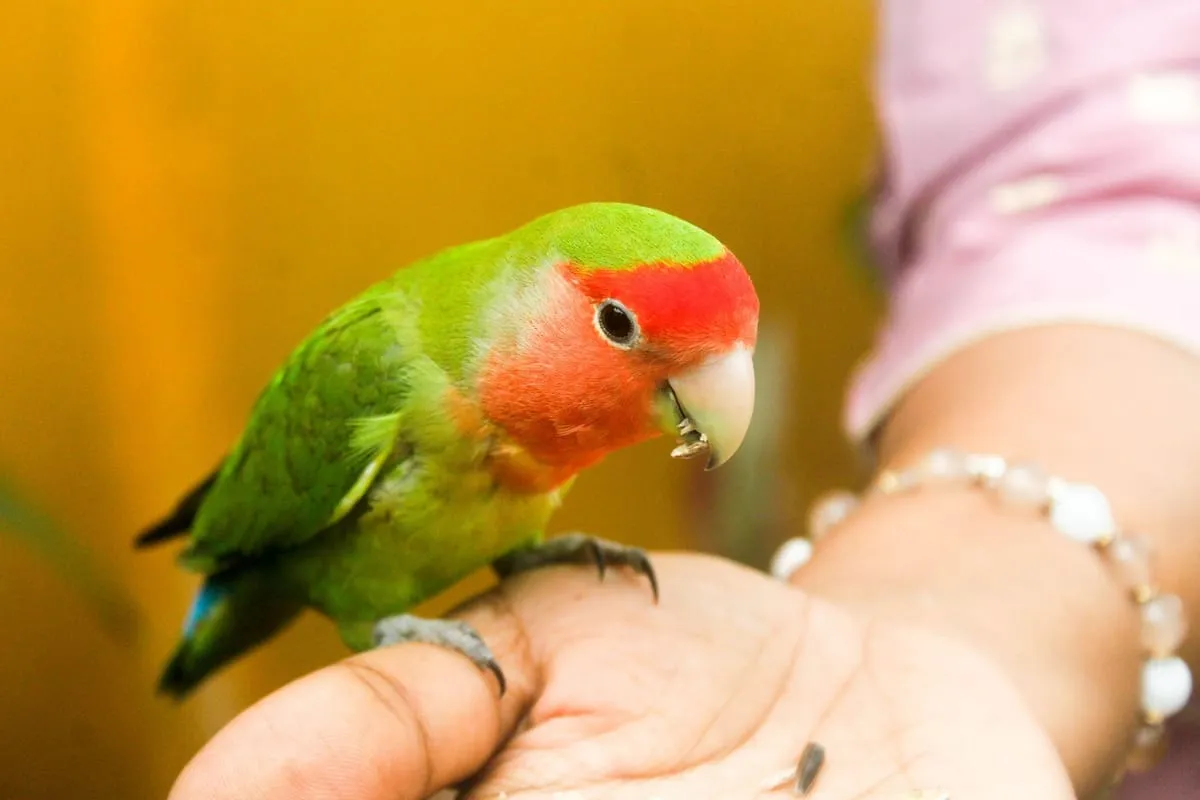
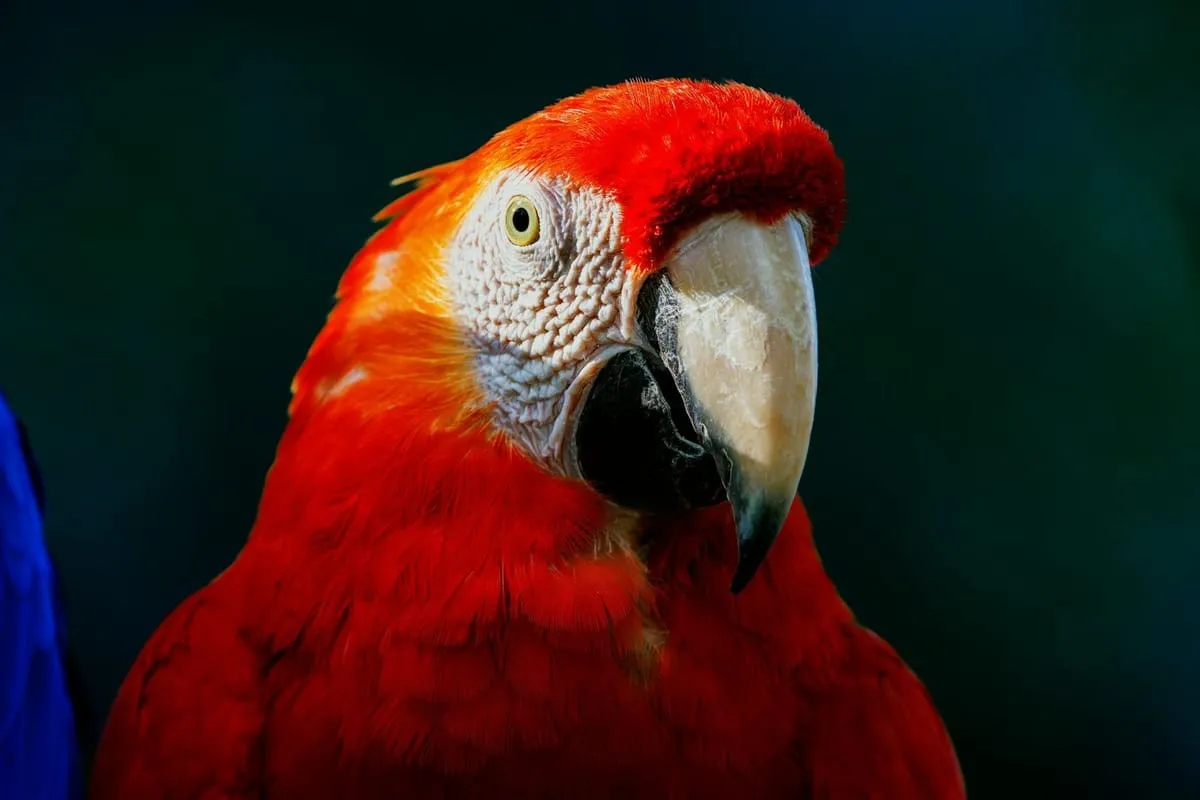
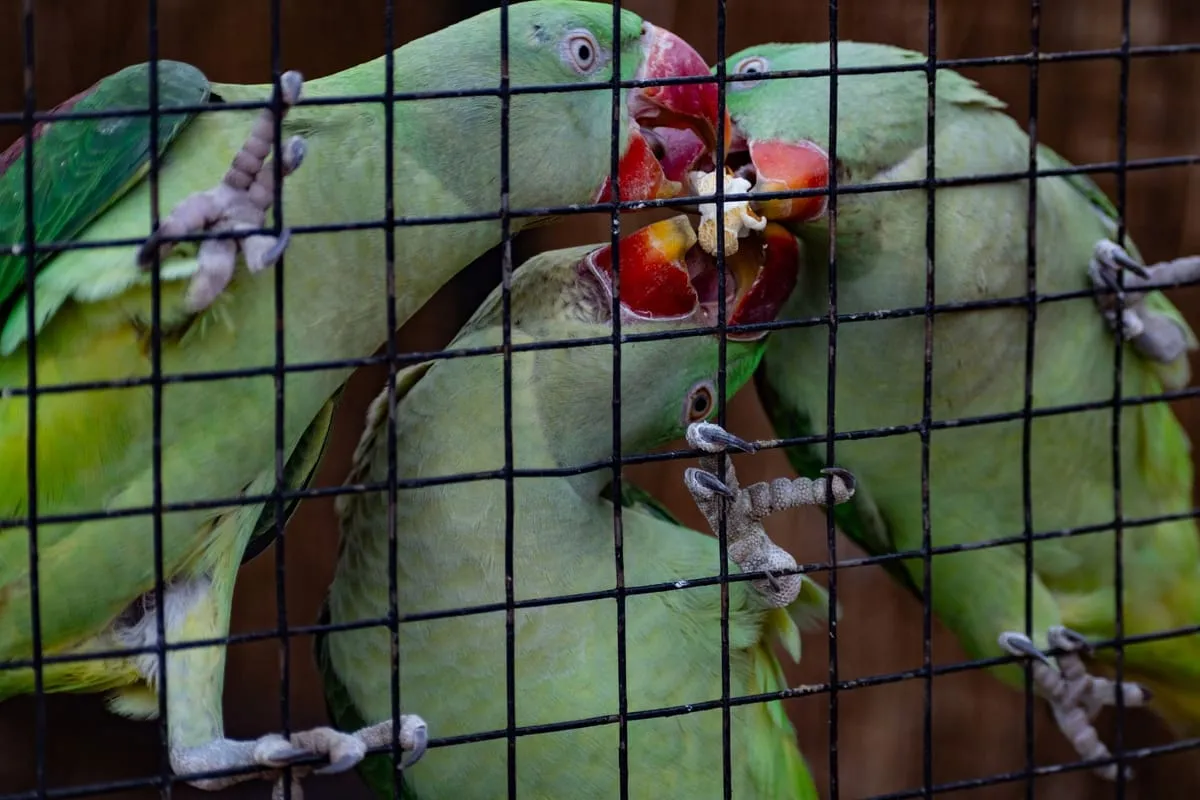
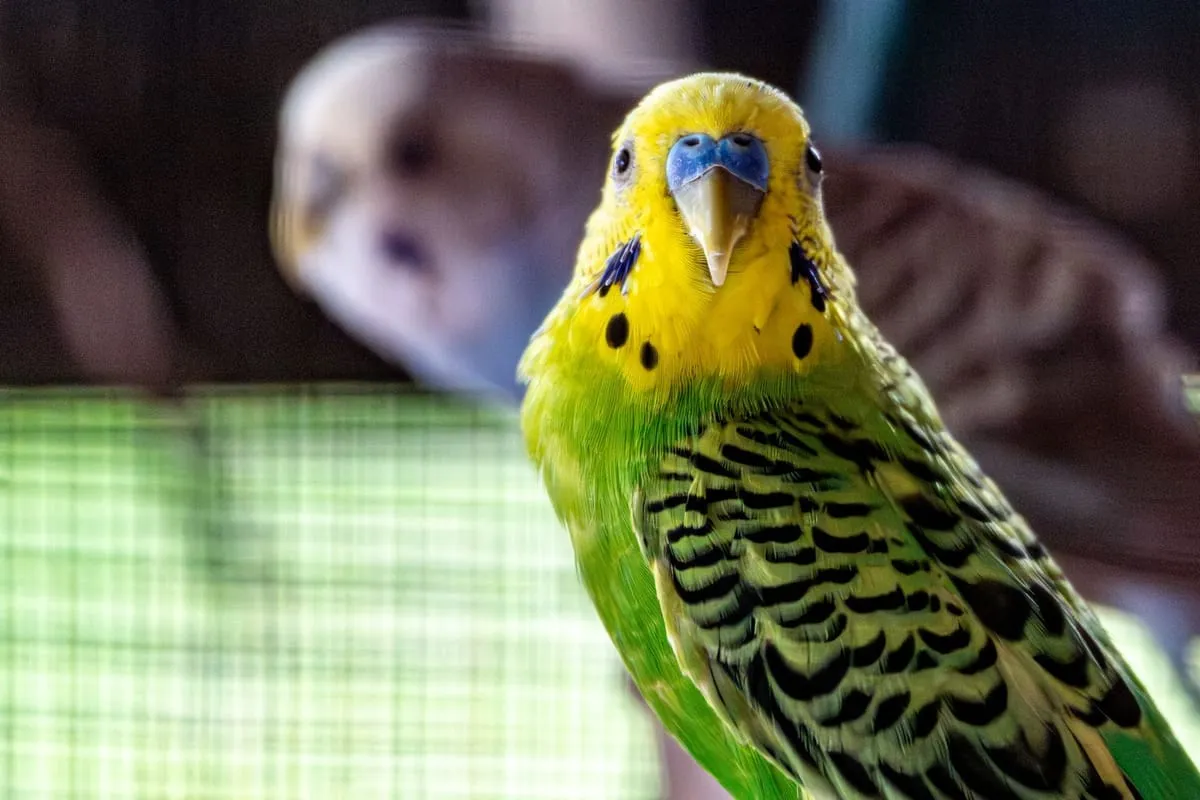
Budgies are the genuine surprise of the pet bird world. For such a small animal, a keen budgie can build a vocabulary running into the hundreds of words, though the delivery is quieter and mumblier than people expect from watching a bigger parrot on video, more of a scratchy little voice than a clear one. Cockatiels are the opposite case: most are far better whistlers than talkers, and a cockatiel that learns to whistle a tune reliably is doing exactly what its species tends to excel at, even if actual words stay rare. Lovebirds are lovely, social little birds but only occasionally pick up any speech at all, and it should not be the reason anyone chooses one. Larger parrots have the loudest and clearest speech of any pet bird, but they are a substantially bigger commitment in space, noise, lifespan, and daily attention than most first-time owners are signing up for.
Trust comes before talking
Skipping straight to repeating words at a bird that is still wary of you is the single most common reason talk training goes nowhere.
Birds mimic sounds as a social behaviour, an extension of the contact calls flocks use to stay connected, so a bird has to feel genuinely bonded to a person before it treats that person’s voice as something worth copying. A bird that flinches away from your hand, screams when you approach, or spends most of the day alone in another room has a trust problem to solve first, and no amount of word repetition fixes that on its own. Building trust with your bird is not a separate project from talk training, it is the actual foundation of it.
The method that works
Once trust is there, the technique itself is almost boringly simple, and the simplicity is the point.
Pick one short word or phrase to start, something with clear, distinct sounds rather than a mumbled sentence, and say it in the same tone, at the same volume, in short sessions several times a day. Consistency matters more than duration, five short, cheerful repetitions genuinely beat one long, tired session. Saying the word at a moment tied to what it means, greeting the bird with “hello” every time you approach the cage, for instance, helps the bird associate the sound with a context rather than learning it as a meaningless noise, which seems to speed things along even though the bird is not attaching real meaning the way a person would. Reward attention and any vocal attempt with a favourite treat, a piece of spray millet works well for most seed-eaters, so the bird associates the whole exchange with something good.
What gets in the way
A few habits reliably slow this down or stop it altogether, and most of them come from good intentions rather than bad ones.
Shouting a word over an already-screaming bird, hoping it repeats the word back, tends to reinforce the screaming instead, since the bird learns that noise gets your attention regardless of what that noise is, a pattern covered in more depth in why does my parrot scream. Long, drilling sessions bore a bird fast and can make it avoid the interaction altogether. And a bird left alone for most of the day, with little social contact and nothing to do, is unlikely to talk much no matter how good your technique is during the brief time you are around, since a bored, under-stimulated bird has bigger problems than vocabulary.
Keep the expectations honest
The most useful thing you can do for your own patience is treat talking as a wonderful bonus rather than the reason the relationship succeeds or fails. A silent, well-socialised, enriched bird that trusts its owner completely is living a genuinely good life either way, and plenty of much-loved pet birds never say a clear word in their lives. If yours does start talking, treat it the way it actually happens, gradually, unevenly, and entirely on the bird’s own schedule, and enjoy it for the small daily win that it is rather than something you earned on a deadline.
Common questions
- Which pet birds can actually learn to talk?
- Budgies are the surprise here, a small bird with a genuinely large potential vocabulary, sometimes hundreds of words, though the speech comes out quieter and less crisp than a larger parrot's. Cockatiels lean more toward whistling than clear words, and while some do pick up phrases, whistling is their more reliable party trick. Lovebirds rarely talk at all. Bigger parrot species have the clearest, loudest speech but are a much larger commitment than the birds most first-time owners start with.
- How long does it take to teach a bird to talk?
- There is no fixed timeline, and it varies enormously between individuals of the same species. Some budgies pick up a first word within a few weeks of daily repetition, others take months, and some never talk clearly no matter how consistent the owner is. Treat any timeline as a rough guide rather than a promise, and judge progress against your own bird's past, not against another bird's story.
- Do male birds talk more than females?
- In budgies, yes, generally. Males are usually the more prolific talkers as a group, though plenty of females do talk and plenty of males never do. It is a real pattern, not a guarantee for any individual bird.
- Why won't my bird talk no matter what I try?
- Most often because the fundamentals are not there yet rather than because talking is impossible for that bird. A bird that does not trust its owner, spends its whole day alone, or gets short, irregular training attempts is unlikely to talk regardless of species. Building trust first and keeping sessions short but genuinely daily matters more than any particular trick or phrase.