Best avoided. Cats are not as acutely vulnerable to avocado as birds are, but that is a low bar, and it does not make avocado a sensible thing to feed a cat. Between a fat load that does not suit an obligate carnivore’s digestion, a stone that is a genuine choking and blockage hazard, and a toxin cats merely tolerate rather than process safely, avocado has nothing to offer a cat that a proper cat treat cannot provide more safely.
Why avocado sits on the avoid list
Three separate issues stack up here, and together they explain why the advice is to avoid it rather than to fuss over exact quantities.
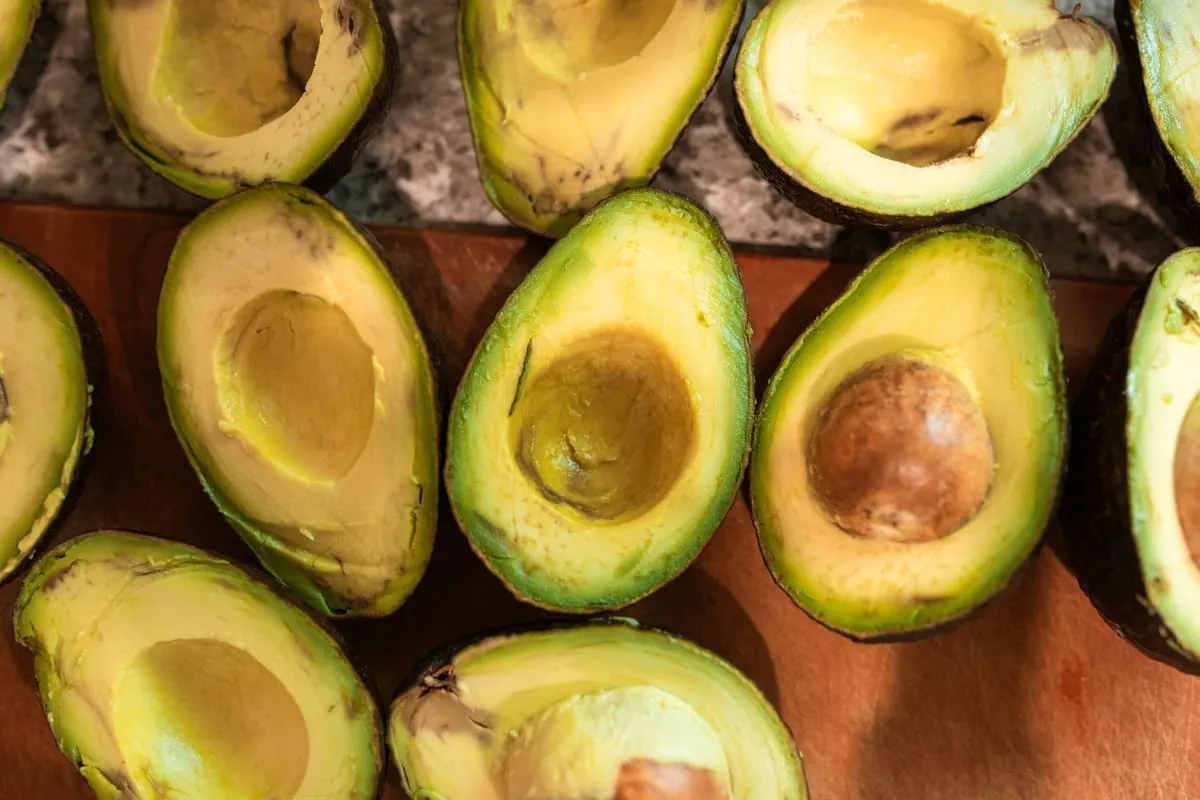
The first is persin, the natural compound in avocado that is well known for being highly toxic to birds and can seriously harm some other animals in small amounts. Cats are considerably more resistant, so a lick of ripe flesh is not the emergency it would be for a bird, but resistant is not the same as immune, and there is no reason to test that resistance for no benefit. The second issue is fat: avocado is a genuinely fatty food, and a cat’s digestive system is built around meat, not rich plant fats, so avocado can trigger stomach upset and, in a cat already prone to it, contribute to pancreatitis. The third is entirely physical and has nothing to do with toxicity at all.
What to do if your cat gets into some
Because the everyday risk is more caution than acute poisoning, the response depends on what and how much.
If your cat has licked or nibbled a small amount of plain ripe flesh, keep an eye on them for the next day and call your vet if they seem off, especially if they are small or have a sensitive stomach already. A larger amount of the fatty flesh raises the risk of a genuine stomach upset or, in a susceptible cat, pancreatitis, so vomiting, tummy pain, lethargy or reduced appetite are worth a call. If your cat has swallowed any part of the stone or the tough skin, treat it as more urgent, repeated vomiting, straining, or refusing food can all point to a blockage, and that is a same-day vet matter rather than a wait-and-see one.
What to give instead
A cat gets nothing from avocado that a proper treat cannot provide with none of the downsides.
Small amounts of plain cooked chicken, or a cat-safe treat, do the job of an occasional extra without the fat load, the stone, or the persin question. There is no nutritional gap avocado fills for an obligate carnivore, so the simplest approach is to keep it, its skin, and its stone out of reach, and treat any accidental access the way you would any rich, fatty food a cat is not built to handle.
So, can cats eat avocado? Best not. Cats are more resistant to persin than birds, but the fat content and the stone are real hazards on their own, and avocado offers nothing a cat actually needs. Keep it out of reach, watch for stomach upset or blockage signs if your cat does get some, and reach for a proper treat instead. For the full picture, see our guide to which human foods are safe for cats, or if fish is more your cat’s speed, our salmon and tuna guides cover those safely.
Common questions
- Is avocado toxic to cats?
- Cats are more resistant to persin, the toxic compound in avocado, than birds and some other animals, and a small lick of plain flesh is unlikely to poison a cat outright. But avocado is very high in fat for an obligate carnivore's digestive system, the large stone is a real choking and blockage hazard, and there is no nutritional reason to feed it, so the sensible position is to avoid it rather than test how much your cat tolerates.
- What should I do if my cat eats avocado?
- A small amount of licked or eaten flesh may cause nothing more than mild stomach upset in many cats, but watch for vomiting, diarrhoea, or lethargy over the next day. If your cat has swallowed any part of the stone or the skin, treat it as more urgent because of the blockage risk, and contact your vet, especially if you see repeated vomiting, straining, or your cat stops eating.
- Can cats eat guacamole?
- No. Guacamole typically contains onion or garlic, both toxic to cats, along with salt, lime and sometimes chilli, none of which suit a cat's diet. Even setting persin aside, guacamole is a far worse idea for a cat than plain avocado flesh alone.
- Why is avocado dangerous for some pets but not others?
- Persin toxicity varies a great deal between species. Birds, rabbits, and some other animals can be seriously harmed or killed by relatively small amounts, while dogs and cats are considerably more resistant and mostly face the fat and stone risks rather than acute persin poisoning. That resistance is not the same as avocado being good for a cat, it just means the main dangers are different ones.