A cat that cannot stop eating and is still losing weight sounds like a contradiction, and that mismatch is exactly what makes feline hyperthyroidism so easy to miss for so long. It is one of the most common hormonal diseases in older cats, usually caused by a benign growth on the thyroid gland that pumps out far more hormone than the body needs. Here is what actually shows up, how it gets confused with the other big weight-loss diseases in senior cats, and what treatment involves once it is caught.
What an overactive thyroid does to the body
The thyroid gland sets the pace of the body’s metabolism, and in hyperthyroidism it runs that pace far too fast, almost always because of a benign tumour called an adenoma rather than cancer, though a small minority of cases are malignant. Every system that depends on metabolic rate speeds up along with it, which is why the signs of this disease touch so many different parts of a cat’s body at once, from appetite and weight to heart rate and behaviour.
The core pattern: eating more, weighing less, more restless
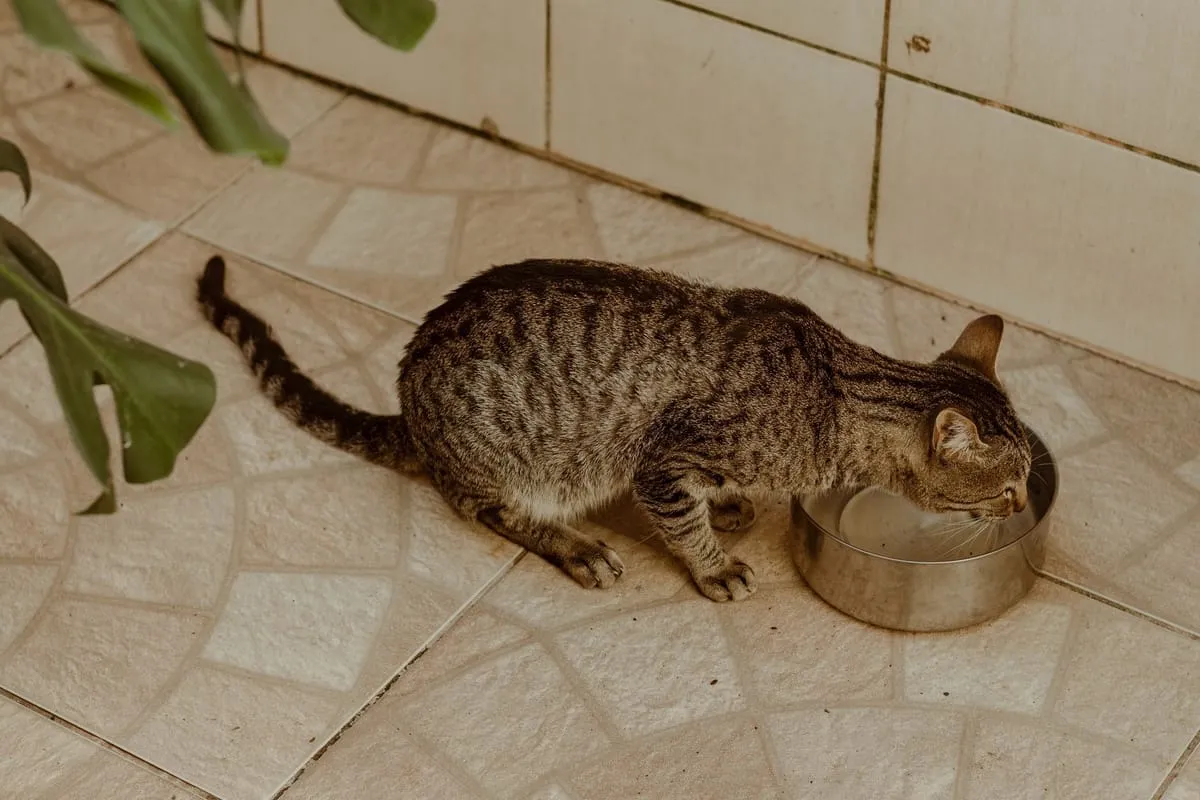
The combination that should raise suspicion is a cat eating as much as ever or noticeably more, while its weight drops and it seems wound up, more vocal, or less settled than its normal self.
Owners often describe a cat that paces, yowls more at night, or seems unable to relax the way it used to, alongside a rib cage and spine that are easier to feel under the coat. Because the appetite is good, sometimes voraciously so, it is a pattern that gets waved off as simple ageing for months before the weight loss becomes hard to ignore.
Other signs worth watching for
Beyond the headline pattern, hyperthyroidism tends to bring a cluster of other changes that make more sense once you know they share the same cause.
A racing heart rate and, over time, real heart disease driven by the excess hormone forcing the heart to work harder than it should, vomiting or diarrhea more often than usual, increased thirst and urination that can look a lot like diabetes or kidney disease from the outside, and a coat that turns greasy, matted or unkempt as grooming slips. Some cats also develop noticeably faster nail growth. A vet examining a hyperthyroid cat can often feel an enlarged thyroid gland as a small lump low in the neck, which is part of a routine physical exam in an older cat for exactly this reason.
Why it matters that kidney disease can hide underneath it
One of the more important nuances in diagnosing this disease is that an overactive thyroid increases blood flow to the kidneys, which can mask early kidney disease sitting underneath it by making kidney function look better on bloodwork than it really is. Vets manage this carefully, sometimes trialling medication before committing to a permanent treatment like radioactive iodine, specifically to see how the kidneys behave once the thyroid is brought back under control. It is a good example of why this diagnosis needs a vet’s judgement rather than a fixed formula.
Who is more at risk
Hyperthyroidism is overwhelmingly a disease of middle-aged and older cats, genuinely rare under about ten years old and increasingly common from there. Unlike some feline diseases, it does not track strongly with any particular breed. Researchers have also looked at environmental links, including canned food and certain flame-retardant chemicals found in household dust and some flooring, as possible contributing factors, though none of this changes what to watch for in an individual cat, age remains the biggest single risk marker.
How it gets diagnosed and treated
A blood test measuring total T4 confirms most cases, with a more sensitive free T4 test available for borderline results where the total T4 alone is not conclusive. Vets typically run kidney values and blood pressure alongside it, given the overlap and masking issues above.
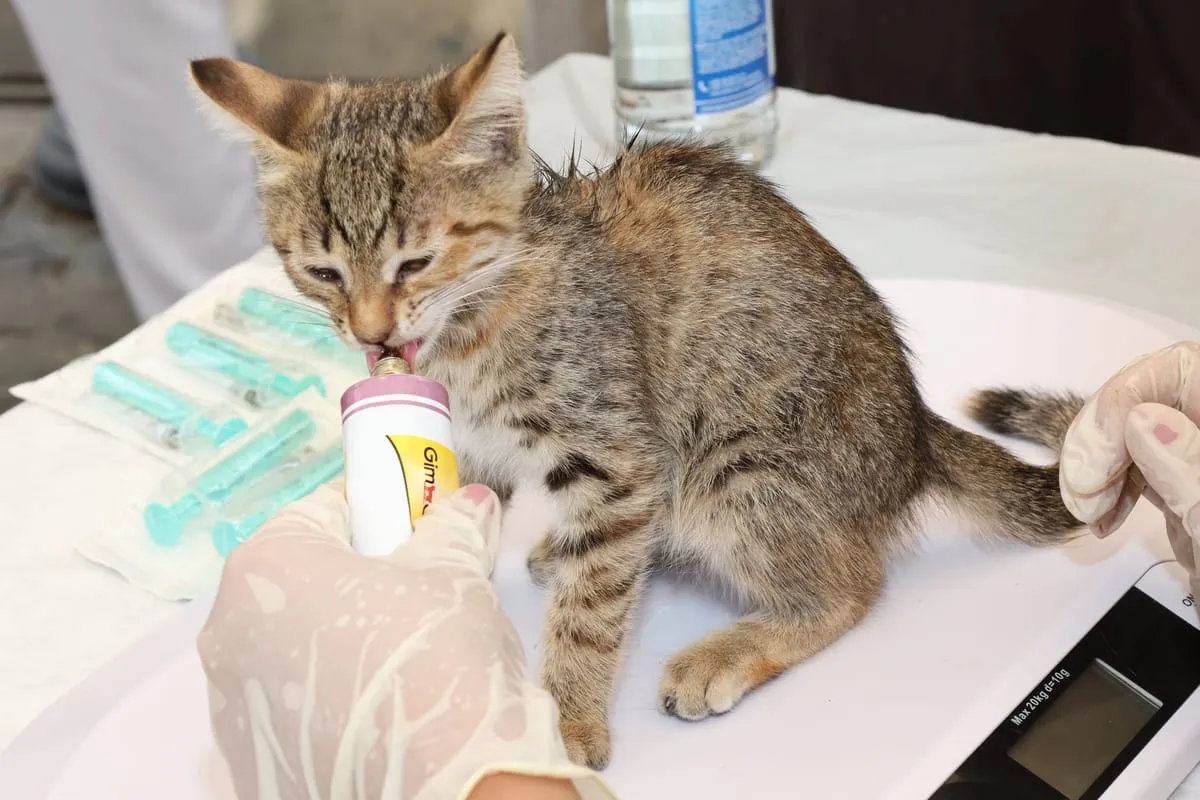
Treatment has several real options rather than one default path. Daily medication, usually methimazole, controls hormone levels effectively but needs to continue for life and involves regular blood monitoring, a pill-hiding treat makes this routine far easier for cats who fight tablets. A prescription iodine-restricted diet controls hormone production without medication if it is the only food the cat eats, which can be a genuine obstacle in a multi-cat household. Radioactive iodine treatment, given at a specialist facility, cures the large majority of cases in a single treatment by destroying the overactive tissue directly and is generally considered the gold standard where it is accessible and affordable. Surgical removal of the affected gland is another curative option, used less often now that radioactive iodine is more widely available.
Hyperthyroidism is one of the more treatable diseases on this list, and most cats do very well once it is under control, often regaining weight and settling back into their old temperament within weeks of treatment starting. The pattern to hold onto is the contradiction itself: a cat eating well or more than usual while still losing weight and seeming unusually keyed up. That combination, in a middle-aged or older cat, is worth a vet visit and bloodwork rather than putting it down to getting older.
Common questions
- What are the first signs of hyperthyroidism in a cat?
- A ravenous appetite paired with steady weight loss is usually the first thing owners notice, often alongside restlessness or a cat that seems wound up compared to its usual self. Because the cat is eating well or more than usual, the weight loss gets put down to age before anyone connects the two.
- How is hyperthyroidism different from diabetes or kidney disease in cats?
- All three cause weight loss in an older cat and can overlap, which is exactly why a vet reaches for bloodwork rather than guessing. Hyperthyroidism's giveaway is a hearty or increased appetite plus restlessness or a racing heart rate. Diabetes shares the good appetite and weight loss but rarely the restlessness. Kidney disease more often comes with a falling appetite rather than a hungry cat. A cat can also have more than one of these at once, which is part of why proper testing matters.
- Can hyperthyroidism in cats be cured?
- Radioactive iodine treatment cures the large majority of cases in a single treatment by destroying the overactive thyroid tissue directly, and surgical removal of the affected gland can too. Daily medication and a prescription iodine-restricted diet control the disease well but need to be kept up for life rather than curing it. Which option suits a given cat depends on cost, other health conditions, and access to a treatment centre offering radioactive iodine.
- Is hyperthyroidism in cats an emergency?
- A stable, diagnosed case is not, but untreated hyperthyroidism drives up blood pressure over time, and a sudden spike can detach the retina and cause sudden blindness, along with put real strain on the heart. A cat that goes suddenly blind, collapses, or struggles to breathe needs emergency vet care immediately, whether or not hyperthyroidism has already been diagnosed.