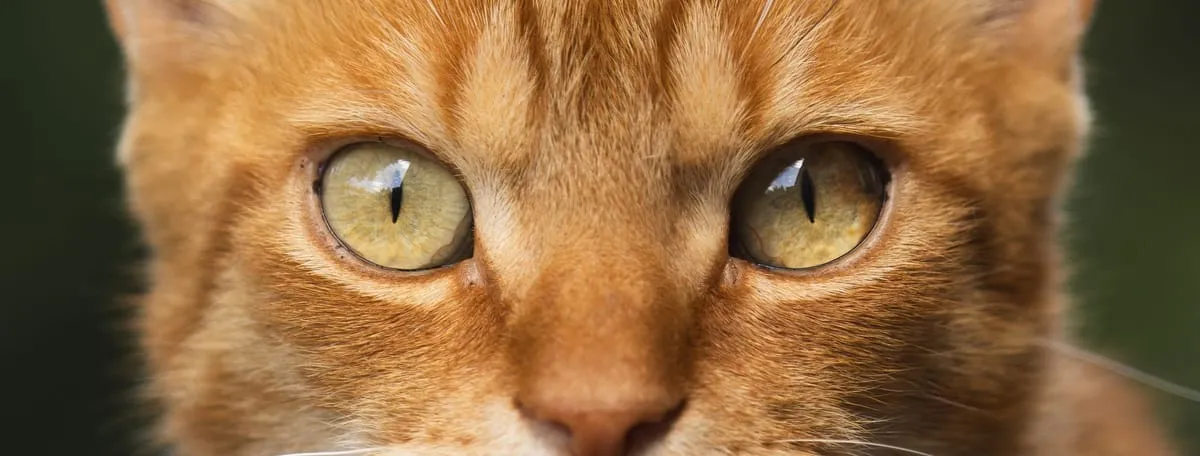
A damp patch under one eye or a faint rust-colored track down the fur is easy to miss at first and easy to worry about once you notice it. Cats are not supposed to cry the way people picture crying, so any visible wetness around the eyes tends to read as a problem. Sometimes it genuinely is. Often it is just how a particular cat’s face drains, especially in flat-faced breeds, or a mild, short-lived irritation that clears on its own. The job is telling the ordinary kind apart from the kind that needs a vet, and the pattern of the discharge is what does that.
What normal tear drainage looks like
Cats, like most mammals, produce tears constantly to keep the eye lubricated, and that fluid normally drains away through a small duct at the inner corner of the eye into the back of the nose, which is also why a cat with a cold often gets a runny nose and watery eyes together. When that drainage keeps up with production, you never see any of it. A little visible wetness after sleeping, a bright light, or mild dust in the air is unremarkable and usually gone within a few hours.
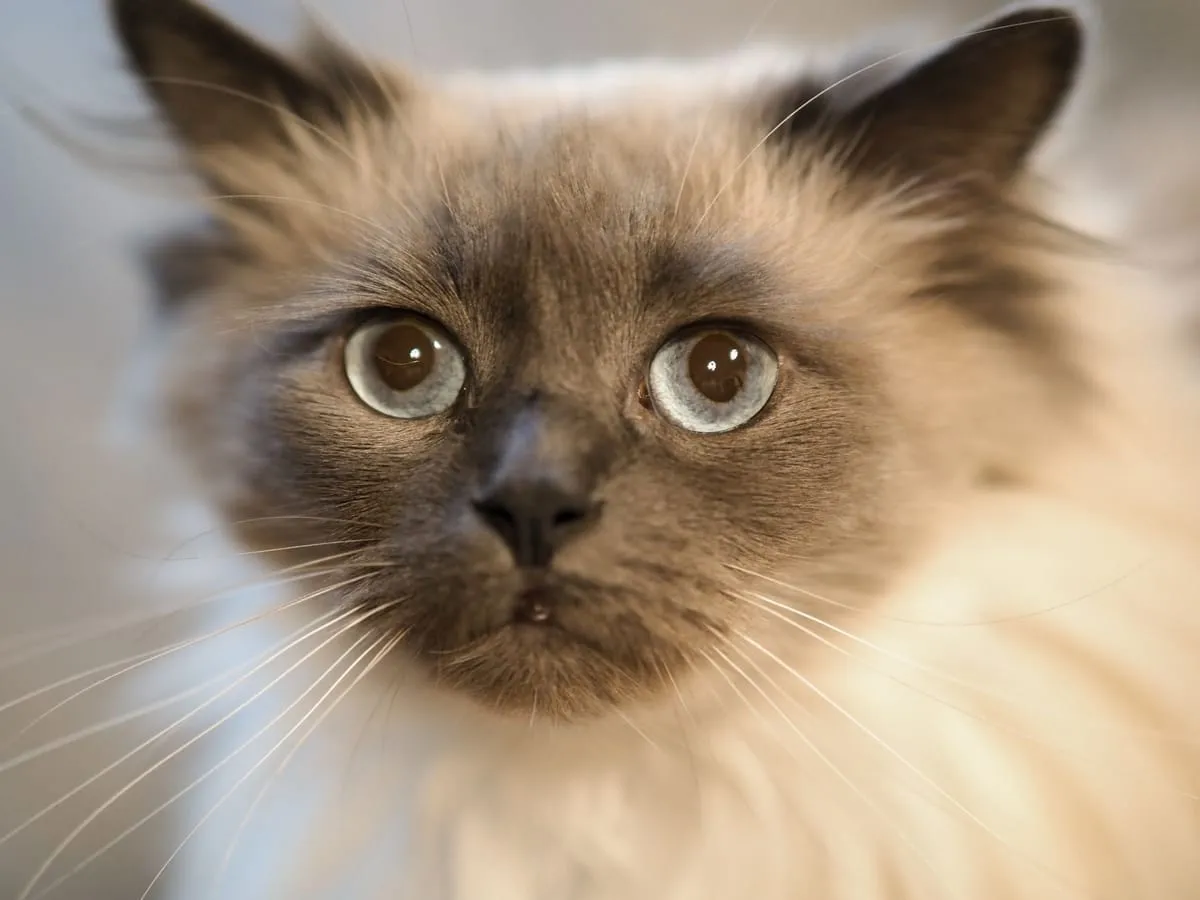
Flat-faced breeds are the clear exception. Persians, Himalayans, exotic shorthairs, and other brachycephalic cats have shortened, often distorted tear ducts as a direct consequence of their facial structure, so tears overflow onto the face far more readily than in a cat with a normal nose length. This is why Persians in particular are prone to visible tear staining, a rust-brown track under the eye from pigments in tear fluid reacting with air and bacteria on damp fur, even when nothing is actually wrong with the eye itself. It is a cosmetic and sometimes skin-irritation issue in these breeds rather than a sign of illness, though it is still worth keeping the area clean and dry since constantly damp fur can lead to a sore patch of skin underneath.
When it is an infection or irritation
Past normal drainage, the next most common cause is an upper respiratory infection, usually a feline herpesvirus or calicivirus flare, which produces watery eyes alongside sneezing, nasal discharge, and sometimes mild lethargy. It is extremely common, especially in cats with a history of herpesvirus, which stays dormant and can flare again under stress. If your cat is also sneezing and a little congested, our guide on why your cat is sneezing so much covers the fuller picture and what helps at home while it runs its course.
Simple irritation is another common, low-stakes cause. Dusty litter, strong cleaning products, cigarette smoke, or a stray eyelash or piece of grit can all make an eye water as the body tries to flush the irritant out. This version tends to affect one eye more than the other, clears up once the irritant is removed, and does not come with redness, squinting, or thick discharge. If you recently switched litter brands and the watering started around the same time, that is worth testing as the cause by switching back.
Bacterial conjunctivitis causes a more involved picture: redness, swelling of the lid, and discharge that typically thickens from clear to white, yellow, or green rather than staying watery. This usually needs a vet-prescribed eye ointment or drops rather than resolving on its own, and it is also contagious between cats in a multi-cat household, so a cat with suspected conjunctivitis is worth keeping separated from housemates until it is seen.
Blocked tear ducts and structural causes
A tear duct can become blocked by old infection scarring, chronic inflammation, or less commonly a growth pressing on the duct, and when that happens tears back up and overflow onto the face in a cat without the flat-faced anatomy that would otherwise explain it. This shows up as persistent watering, often from one eye specifically, in a cat that is not obviously unwell otherwise. It will not clear up with wiping alone since the underlying drainage problem is still there, and a vet can check for a blockage and in some cases flush the duct to clear it.
Entropion, where the eyelid rolls inward and the lashes rub against the eye’s surface, is less common in cats than dogs but does occur, particularly in flat-faced breeds again, and causes chronic watering alongside squinting from the irritation of fur or lashes constantly touching the eye. This needs a vet diagnosis and sometimes a minor surgical correction, since ongoing rubbing can damage the cornea over time if left alone.
What to actually do
For a cat with occasional, clear, mild watering and no other symptoms, gentle wiping and watching for changes is reasonable, and that is especially true for flat-faced breeds where some tear overflow is simply part of the anatomy. For anything more, watering that is constant, discharge that thickens or changes color, one eye looking worse than the other, redness, squinting, or a cat pawing at its face, book a vet visit rather than managing it at home indefinitely, since several of the real causes need a prescription to actually clear up and get worse the longer they are left untreated. Bring a description of how long it has been going on and whether it is one eye or both, since that pattern alone often narrows down what your vet is looking for.
Common questions
- Why does my cat have watery eyes?
- Common causes include normal tear overflow in flat-faced breeds, mild irritation from dust or litter, an upper respiratory infection, conjunctivitis, or a blocked tear duct. Clear, occasional watering in a cat that seems otherwise well is often harmless. Watering that is constant, thick or colored, or paired with squinting, redness, or a swollen eyelid needs a vet.
- Is it normal for cats to have tear stains?
- In flat-faced breeds like Persians, yes, to some degree, since their shortened tear ducts drain less efficiently and let tears spill onto the face rather than down the duct. In a cat with a normal-length face, ongoing tear staining is less expected and worth mentioning to a vet, since it can point to a duct problem or low-grade irritation rather than just being a breed trait.
- Can I just wipe my cat's watery eyes at home?
- Gently wiping away clear discharge with a damp, warm cotton pad, working outward from the corner of the eye, is fine for occasional watering in an otherwise healthy cat. Do not use human eye drops, essential oils, or anything not specifically made for cats, and do not keep managing it at home if the discharge changes, thickens, or the eye looks sore, since that needs a vet look rather than ongoing wiping.
- When is watery eyes in a cat an emergency?
- A cat holding an eye shut, pawing at it repeatedly, a visibly swollen or bulging eye, a cloudy or blue-tinged cornea, or discharge appearing suddenly after a fight or injury all need same-day vet care, since some causes of eye pain can threaten the eye itself within hours. Routine watery eyes without those signs can usually wait for a normal appointment.