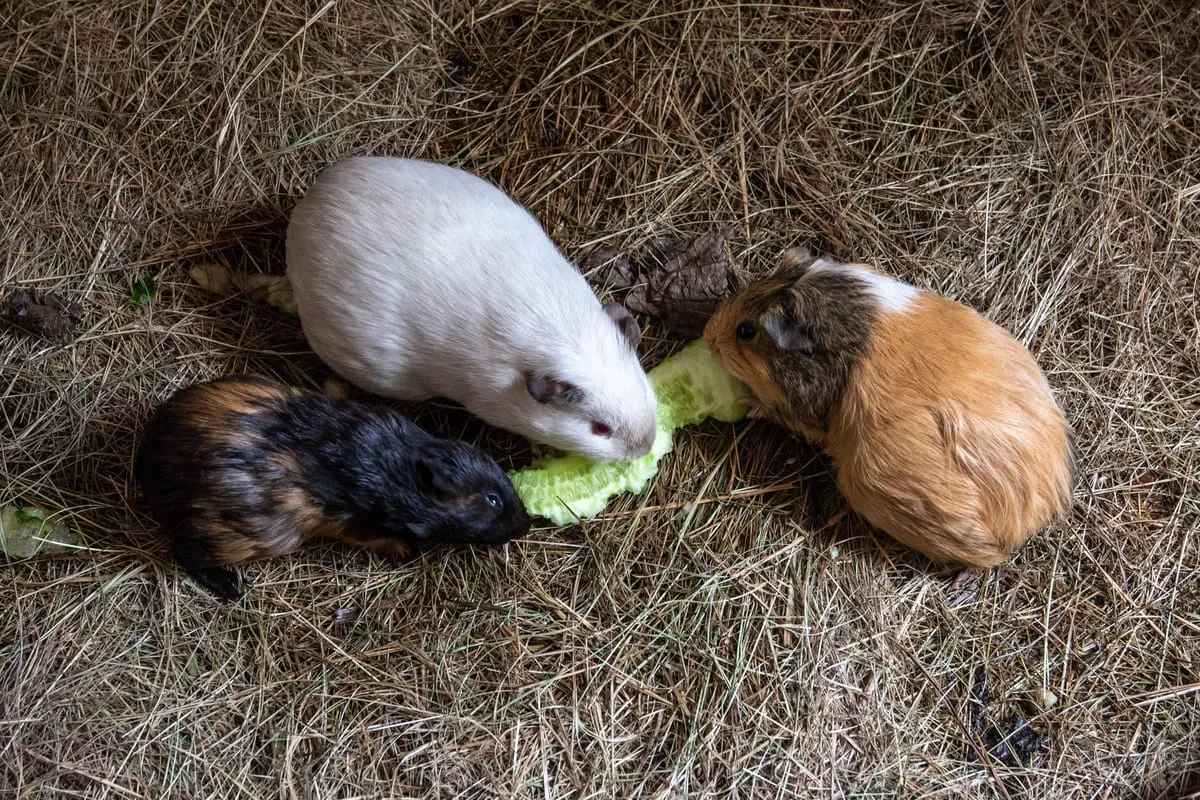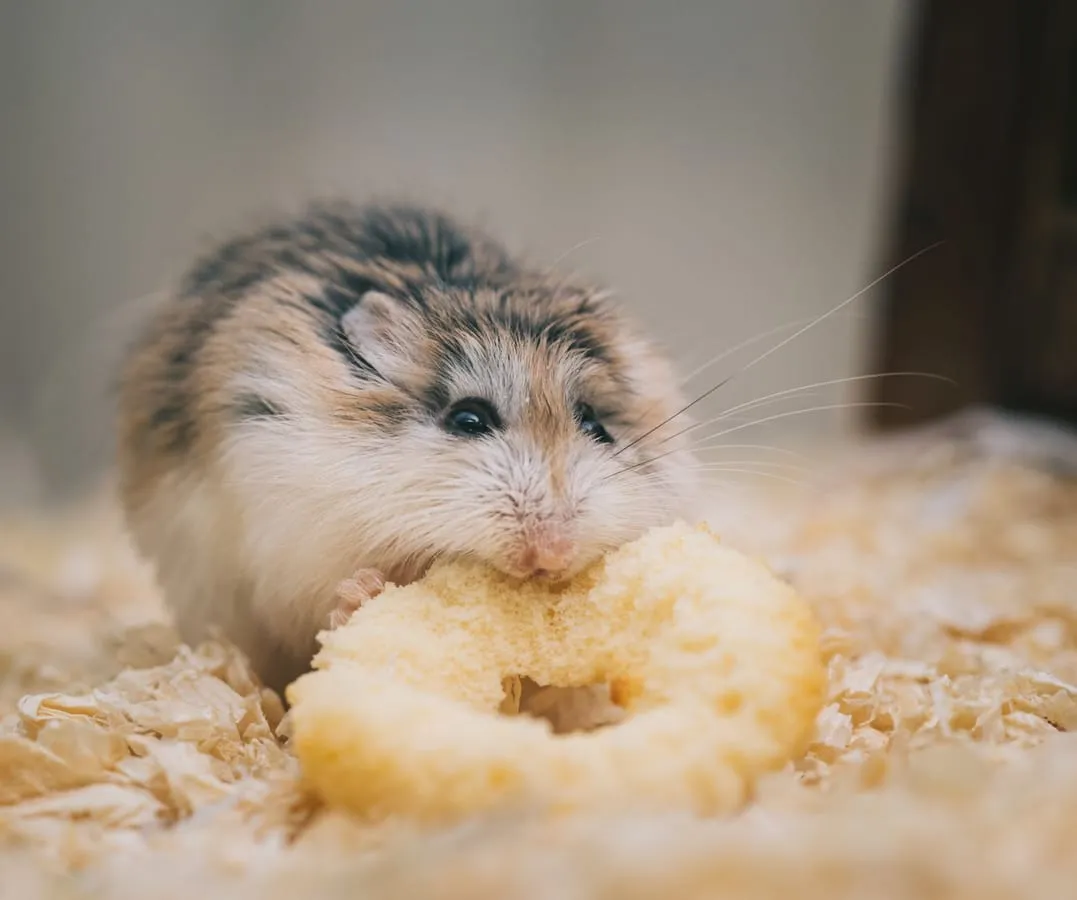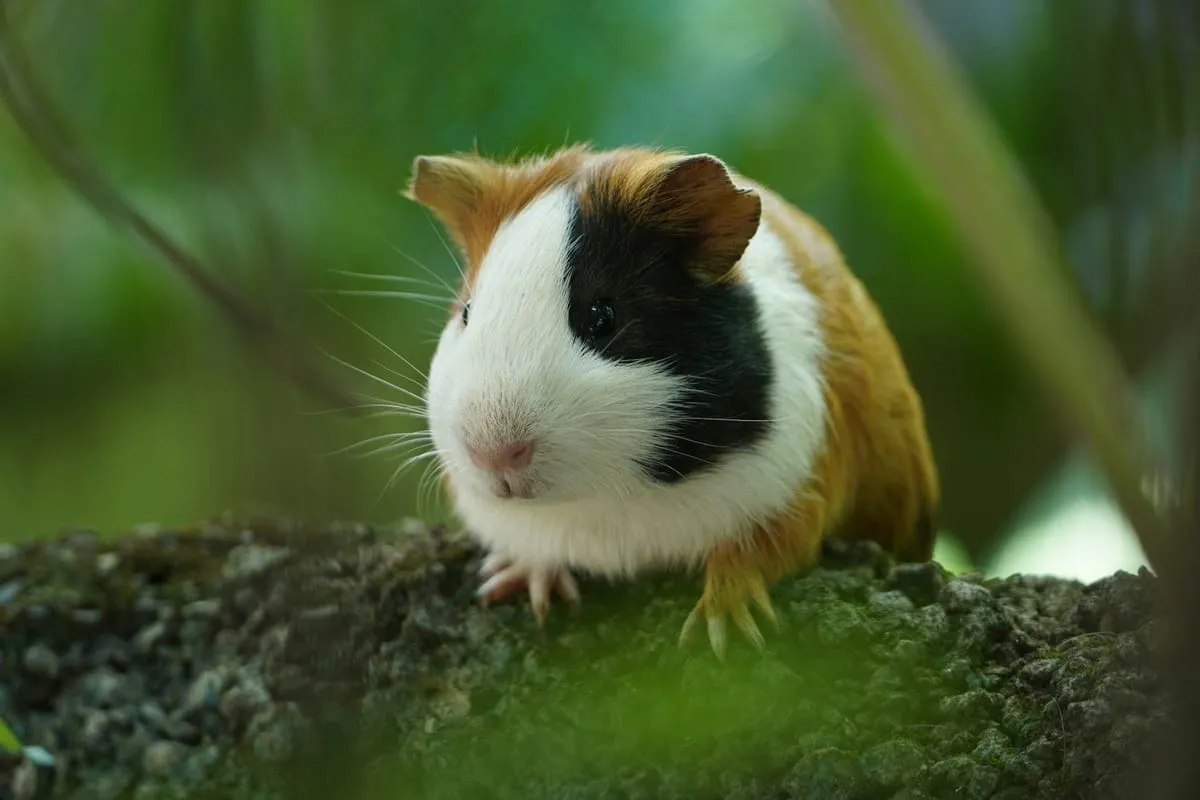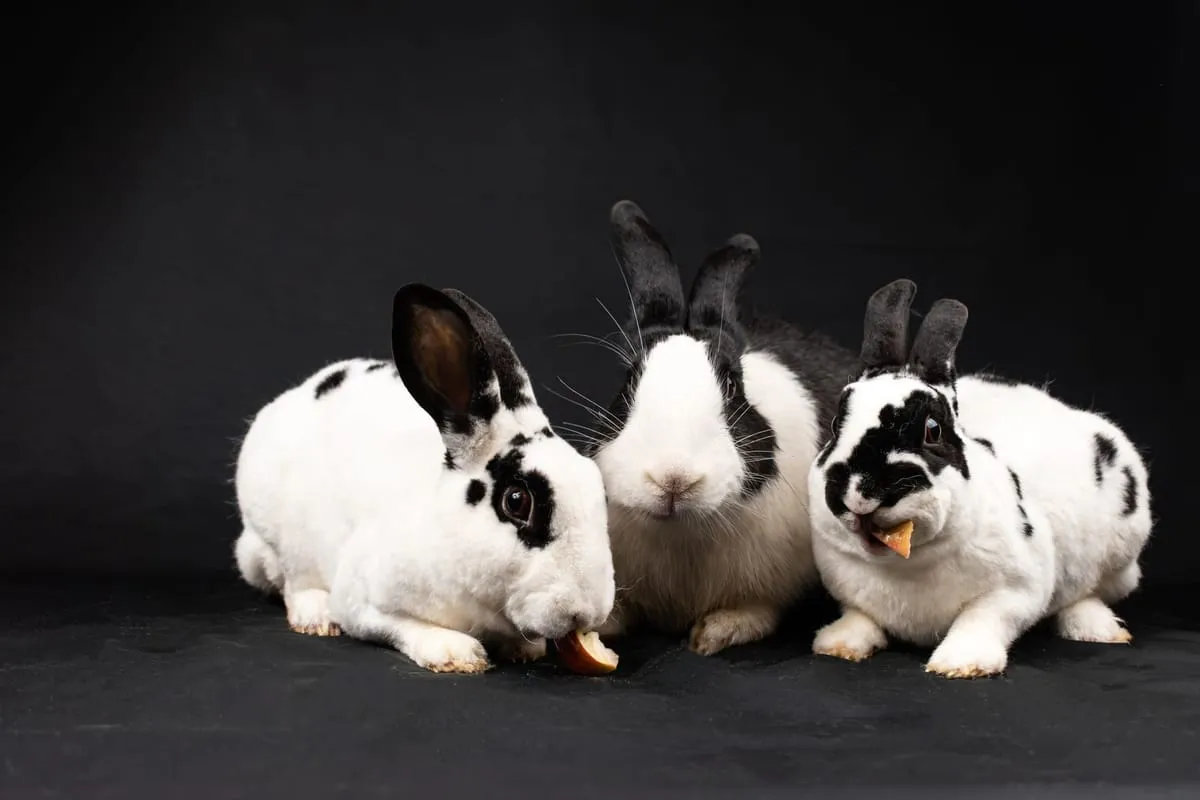
A rabbit or guinea pig going properly wild for a piece of apple is one of the more charming things about keeping one, and it is tempting to read that enthusiasm as permission to make fruit a bigger part of the diet. It should not be. Fruit is genuinely safe in small amounts for both species, but it earns its place as an occasional treat, not a food group, and the reasons come down to exactly what makes it so appealing in the first place.
The short answer: fruit is a treat, not a staple
Both rabbits and guinea pigs are hindgut fermenters, built around a steady diet of fibrous hay and a measured amount of pellet or fresh greens. Fruit is higher in sugar than almost anything else these animals normally eat, and a gut tuned for fibre does not handle a sudden sugar load the way an omnivore’s would.
That does not make fruit dangerous in sensible amounts. A slice of apple, a few blueberries, or a small chunk of banana now and then is a safe, well-tolerated treat for most healthy rabbits and guinea pigs. The problem comes from treating fruit like a daily food group rather than the occasional extra it is meant to be.
Which fruits are safe, and how much
A short, mostly overlapping list covers what works for both species.
Apple, banana, strawberry, blueberry, melon, and pear are all fine in small amounts for rabbits and guinea pigs alike. A slice or two, or a small handful of berries, once or twice a week is a sensible ceiling for an average-sized animal, scaled down further for a smaller guinea pig than a larger rabbit. Citrus fruit like orange is not toxic to either species, but its acidity can irritate the mouth or gut in anything more than a token amount, so keep it occasional and small if you offer it at all.
Introduce any new fruit the way you would a new vegetable, one at a time and in a small amount, then watch droppings for a day or two before trying something else. A sudden change that upsets the gut is more likely with a food this far from a rabbit or guinea pig’s everyday diet than with another leafy green.
What to avoid and watch for
A few specific risks sit inside otherwise-safe fruit, and they are worth knowing rather than discovering by accident.
Apple and pear seeds contain trace amounts of a cyanide-related compound, harmless in the tiny amounts a rabbit might pick up from one or two stray seeds, but there is no reason to leave them in when slicing is this easy. Stone fruit like peaches, plums, and cherries carry the same concern in their pits, plus a genuine choking and gut-blockage risk from the pit itself, so stone fruit flesh only, pit removed, if you offer it at all. Avocado is best avoided entirely for rabbits specifically, since it has been linked to toxicity in the species, unlike many of the vegetables already covered in our guide to safe vegetables for rabbits and guinea pigs.
Dried fruit deserves its own warning, since it is a different food from the fresh version in everything but name. Drying concentrates the sugar into a much smaller volume, so what looks like a modest treat-sized piece can carry several times the sugar of the fresh fruit it came from. Treat dried fruit as a rare, tiny treat rather than a fresh-fruit substitute, if you use it at all.
Where fruit fits in the bigger picture
The actual backbone of a rabbit or guinea pig’s diet should stay exactly where it already is, unlimited hay, a measured daily pellet portion, and a rotating base of safe vegetables. Fruit sits on top of that as an occasional extra, useful for bonding, for a bit of enrichment, or simply because a rabbit chasing a piece of banana around the room is funny to watch. For guinea pigs specifically, do not lean on fruit for vitamin C, our guide to why guinea pigs need vitamin C covers why a fortified pellet and a daily supplement do that job far more reliably than any fruit could.
If you want a treat that is built for this already, a baked hay-and-fruit treat gives the same payoff with the sugar content controlled for you, which takes some of the guesswork out of portioning fresh fruit by eye. Either way, a small piece now and then is all it should ever be.
Common questions
- What fruit can rabbits and guinea pigs eat?
- Small amounts of apple, banana, strawberry, blueberry, melon, and pear are all fine as an occasional treat for both rabbits and guinea pigs. Remove apple and pear seeds first, and keep portions small, a slice or two, not a bowlful.
- How much fruit can I give my rabbit or guinea pig?
- Treat fruit as an occasional extra, not a daily food group. A small piece, roughly a teaspoon to a tablespoon depending on the animal's size, once or twice a week, is a sensible amount. Hay and the right pellet or fresh greens should make up the bulk of the diet, not fruit.
- Is fruit a good source of vitamin C for guinea pigs?
- Not a reliable one. Fruit has less usable vitamin C than vitamin-C-rich vegetables like peppers, and guinea pigs need a consistent daily source, not an occasional treat's worth. A fortified pellet and a daily vitamin C top-up matter far more than any fruit for meeting that need.
- Can fruit make a rabbit or guinea pig sick?
- Too much, too often, can cause soft stool, diarrhea, or weight gain from the sugar, and in a rabbit or guinea pig that is more than a minor upset, since both species rely on a steady gut to stay well. Diarrhea, a bloated-looking belly, or a rabbit or guinea pig that stops eating after a fruit treat needs a vet visit the same day rather than a wait and see.