A brand-new toy sitting untouched, or worse, a hamster that bolts for its hide the moment you add one, is a common disappointment. It is easy to read that as your pet being fussy or unenthusiastic. Almost always, something more specific is going on: rabbits, guinea pigs, hamsters, gerbils, and rats are prey animals, and a new object appearing in their world is processed very differently than it would be by a dog or cat.
New things are cause for caution, not curiosity
A dog or cat meeting a new toy is a predator sizing up something that might be prey. A rabbit or guinea pig meeting a new object is potentially sizing up something that might be a threat. This caution around anything unfamiliar is called neophobia, and it is a normal, healthy survival instinct rather than a personality flaw or a sign of poor socializing. An animal that did not treat sudden new things with suspicion in the wild would not last long.
This is why a toy that gets handed directly to a small pet, or waved around to get its attention, often backfires. Movement and direct handling read as pursuit, the opposite of inviting. The animal that seemed completely uninterested in a toy yesterday may investigate it thoroughly a few days later, once it has decided on its own terms that the object is not a threat.
Play does not look the same across species
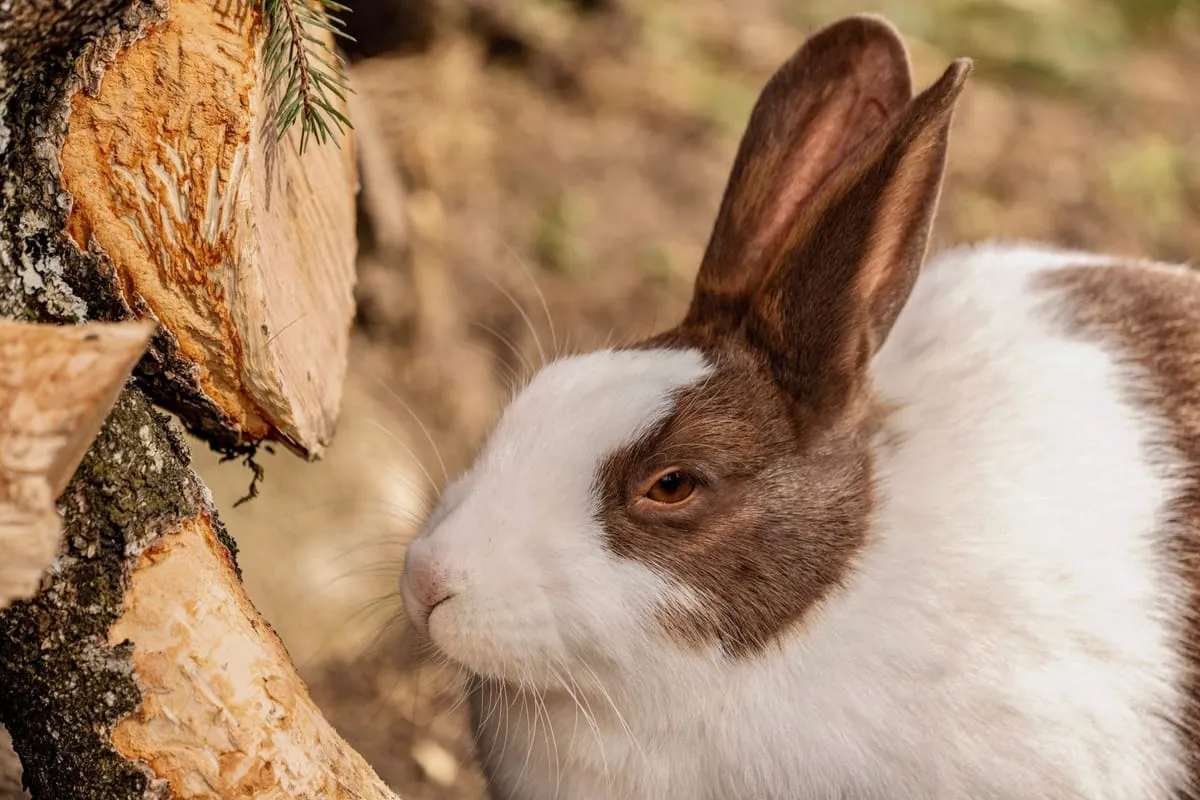
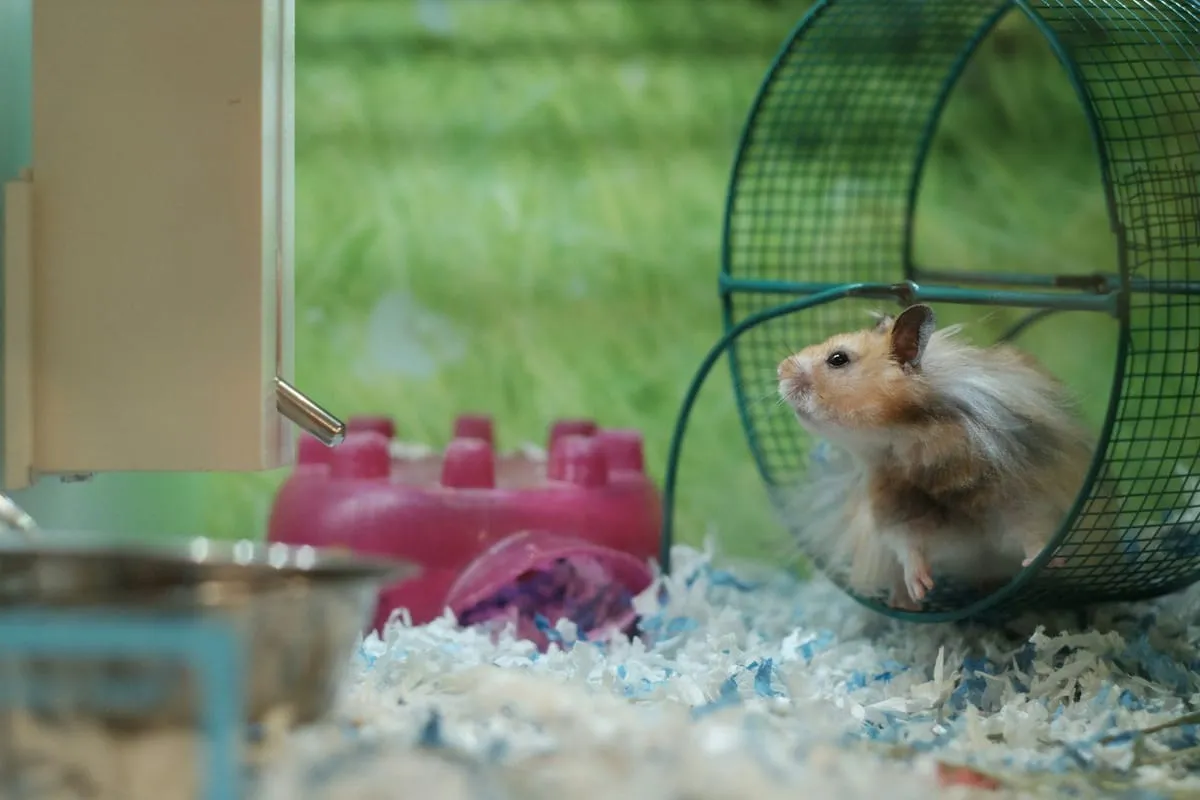
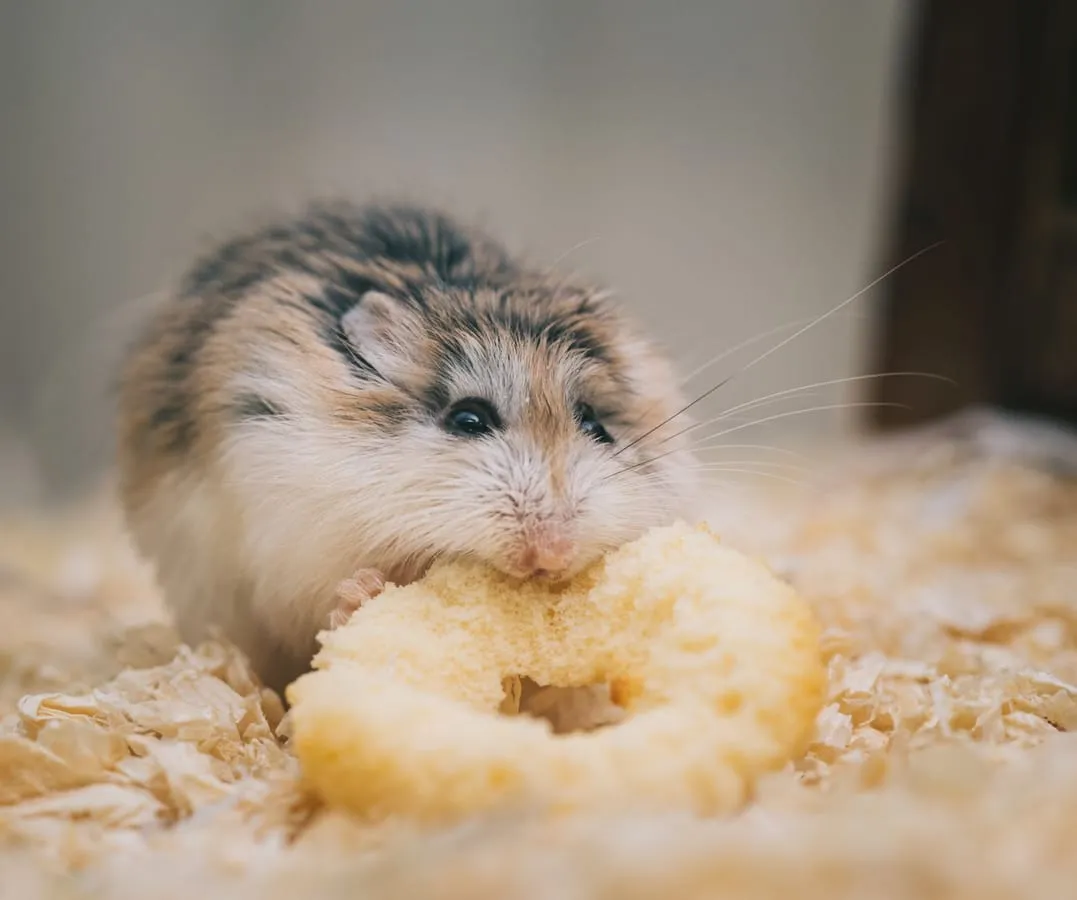
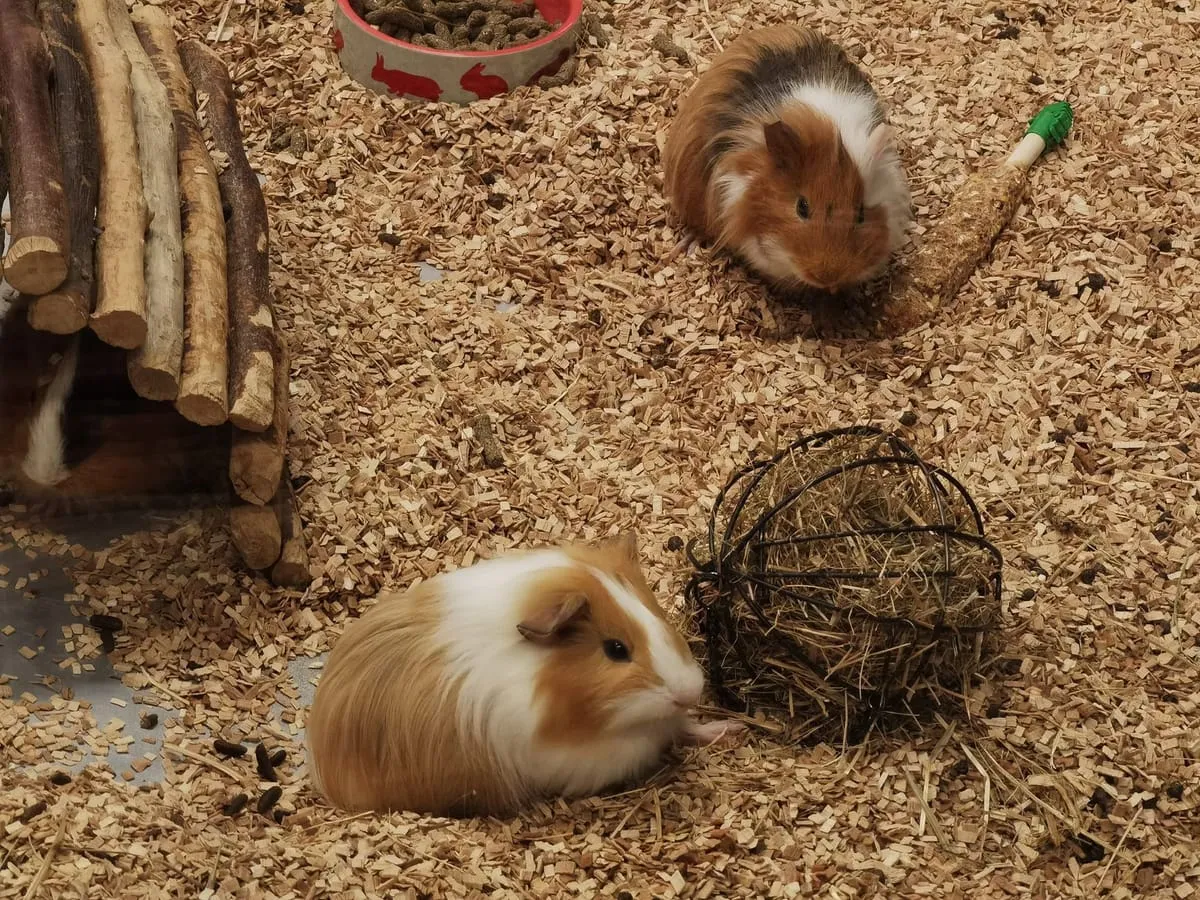
Judging a rabbit by whether it “plays” the way a dog does with a ball misses what is actually happening. Rabbits toss, flip, dig at, and push objects around, sometimes quite dramatically, which is closer to their version of enthusiasm than anything resembling fetch. Guinea pigs are considerably less interested in manipulating objects and more interested in investigating with their nose and chewing, so a guinea pig that sniffs a toy once and moves on is not necessarily ignoring it, it may simply have finished with it faster than a rabbit would. Hamsters, gerbils, and rats engage with toys mostly through gnawing, climbing over or through them, or hiding inside, which looks a lot more like using furniture than playing with a toy in the way people picture it.
Expecting any of these animals to bat, chase, or fetch sets up disappointment for no reason. A chew stick or treat holder that gets steadily gnawed down over a week is a small pet actively enjoying it, even though nothing about that looks like play in the dog or cat sense.
The toy itself matters less than where it sits
A wooden chew or a willow ball dropped into open floor space is a different proposition than the same object placed inside or right next to an existing hide. Small pets feel safest investigating new things from a position they can retreat from quickly, so a toy placed within reach of a hideout or tunnel gets far more genuine interest than the identical toy sitting exposed in the middle of the enclosure.
Scent matters too, more than most owners expect. An object that already smells faintly of the animal’s own space, left near bedding for a day before being properly introduced, or rubbed lightly against existing furnishings, loses some of its “foreign object” quality before your pet ever approaches it directly.
When it really is boredom, not fear
Once a small pet is genuinely comfortable in its space and still shows no interest in anything, including toys it has had for weeks, the more likely explanation shifts from fear to plain habituation, the animal has stopped noticing an unchanging environment altogether. That is a different problem with a different fix, and it is the one our guide to stopping your small pet getting bored covers in full, rotating toys, adding foraging opportunities, and making sure the enclosure has enough space and variety to stay interesting in the first place.
Getting a nervous small pet started
For an especially cautious animal, start with the smallest possible version of novelty. A single new item introduced at a time, left in place for at least a week before adding or changing anything else, gives an animal the chance to fully accept one thing before being asked to process another. A crinkle tunnel that doubles as both a hide and a texture to investigate tends to succeed with nervous animals faster than an open toy with no escape route built in, since it never asks the animal to be exposed while it explores.
A small pet that ignores every toy in its cage is rarely a small pet with no interest in its environment. It is far more often an animal waiting to feel safe enough to look closer, on its own schedule rather than yours.
Common questions
- Why is my rabbit or guinea pig scared of a new toy?
- Rabbits and guinea pigs are prey animals, so an unfamiliar object that appears suddenly in their space can register as a possible threat rather than something interesting. This is called neophobia, a caution around anything new, and it is a normal survival instinct, not a sign your pet is nervous or badly socialized.
- What does normal play actually look like for a small pet?
- It rarely looks like a dog or cat chasing a toy. Rabbits toss, flip, and push objects, guinea pigs are more interested in chewing and investigating with their nose than manipulating anything, and hamsters, gerbils, and rats interact with toys mostly through gnawing, climbing, or hiding inside them. Judging small-pet play against a dog or cat's version means missing the real thing when it happens.
- How should I introduce a new toy so my small pet actually uses it?
- Place it in the enclosure without ceremony, ideally near food or a favorite spot, rather than handing it directly to your pet or moving it around. Leave it there for several days without moving it again, since a still, familiar object earns investigation, while one that keeps appearing and disappearing stays suspicious.
- My small pet used to use a toy and has stopped, is that a problem?
- A sudden drop-off in interacting with toys or the environment generally, especially alongside reduced eating, hiding, or lower energy, is worth checking against illness or pain rather than assumed to be boredom with the toy itself. A healthy small pet that has simply habituated to an old toy will usually respond again once it is rotated out and reintroduced later.