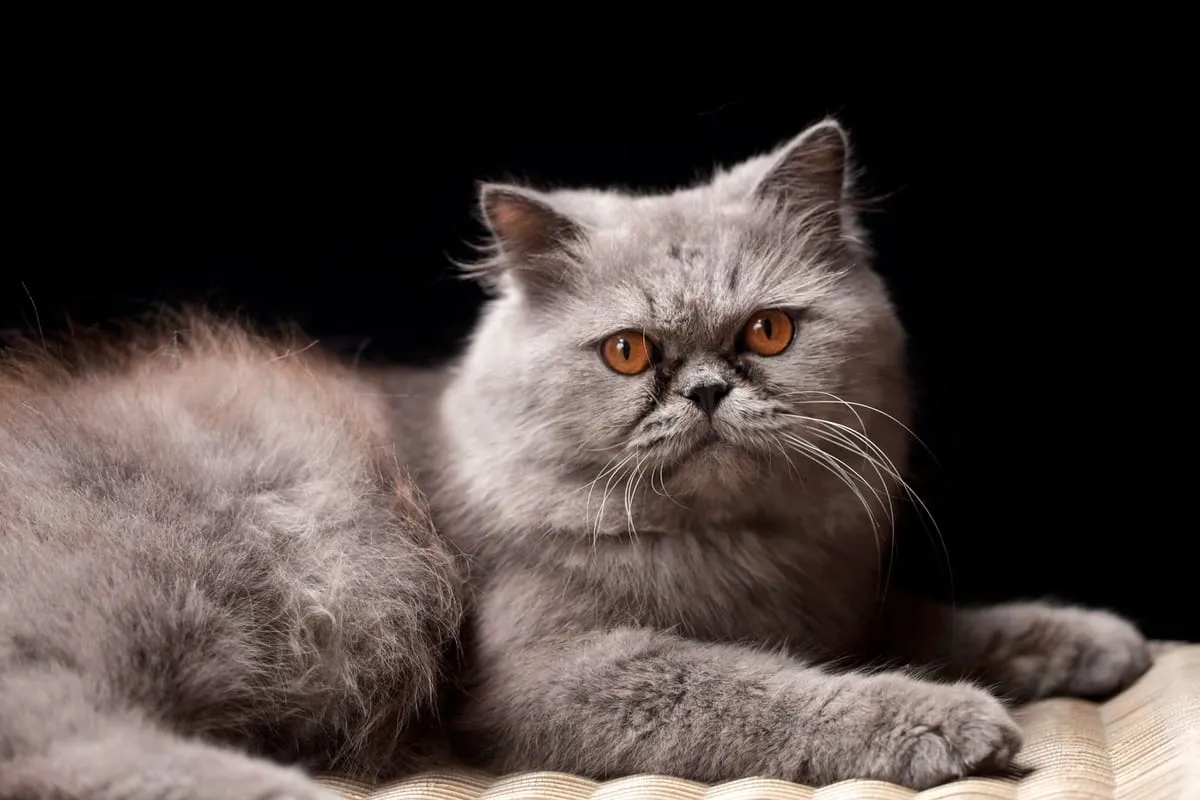
The Persian is instantly recognisable, a round, flat face, huge round eyes, and a coat so long and dense it can look almost unreal in photographs. It is also one of the calmest, quietest cats you can own, a genuine lap cat that asks for very little beyond company and a comfortable place to sit. The catch is that the two things that make a Persian look the way it does, the face and the coat, both come with ongoing work and some real health trade-offs that are worth understanding before you fall for a kitten photo. Here is what living with one is actually like.
A calm, quiet lap cat
Before the grooming and the flat face, it is worth being clear about what the Persian is like day to day, because the temperament is a big part of the appeal.
Persians are typically placid, gentle, and quiet, content to spend long stretches of the day curled up somewhere comfortable rather than climbing curtains or demanding attention. They tend to bond affectionately with their people without being clingy about it, and most are unbothered by a calm, predictable household routine. This is not a breed that needs hours of active play or a house full of climbing towers to stay content, a few short sessions with a wand toy and a sunny windowsill go a long way. That same low-key nature does mean a Persian is not the cat for someone who wants an athletic, adventurous companion, and it is worth sitting with an adult Persian before committing if a livelier breed like a Siamese or Bengal is the other cat on your shortlist, since the two experiences could not be more different.
The daily grooming commitment
The coat is the single biggest practical reality of Persian ownership, and it is not a job you can skip for a few days without consequences.
The long, dense double coat mats readily if it is not brushed through to the skin every day, and once fur mats close to the skin it pulls painfully and often has to be cut out rather than combed loose. A self-cleaning slicker brush worked through the full coat, chest and belly included, is the daily minimum for most Persians, and many owners also book a professional groom every couple of months for a proper trim and a check for mats forming somewhere out of easy reach, like behind the legs. A deshedding tool used once a week on top of daily brushing pulls out loose undercoat before it works its way into a mat or a hairball, and it is worth reading why cats get hairballs if a Persian’s grooming load is new to you, since a coat this dense produces noticeably more of them than a short-haired cat’s.
Living with the flat face
The other defining Persian trait is the flat, or brachycephalic, face, and it shapes more of daily life than most new owners expect.
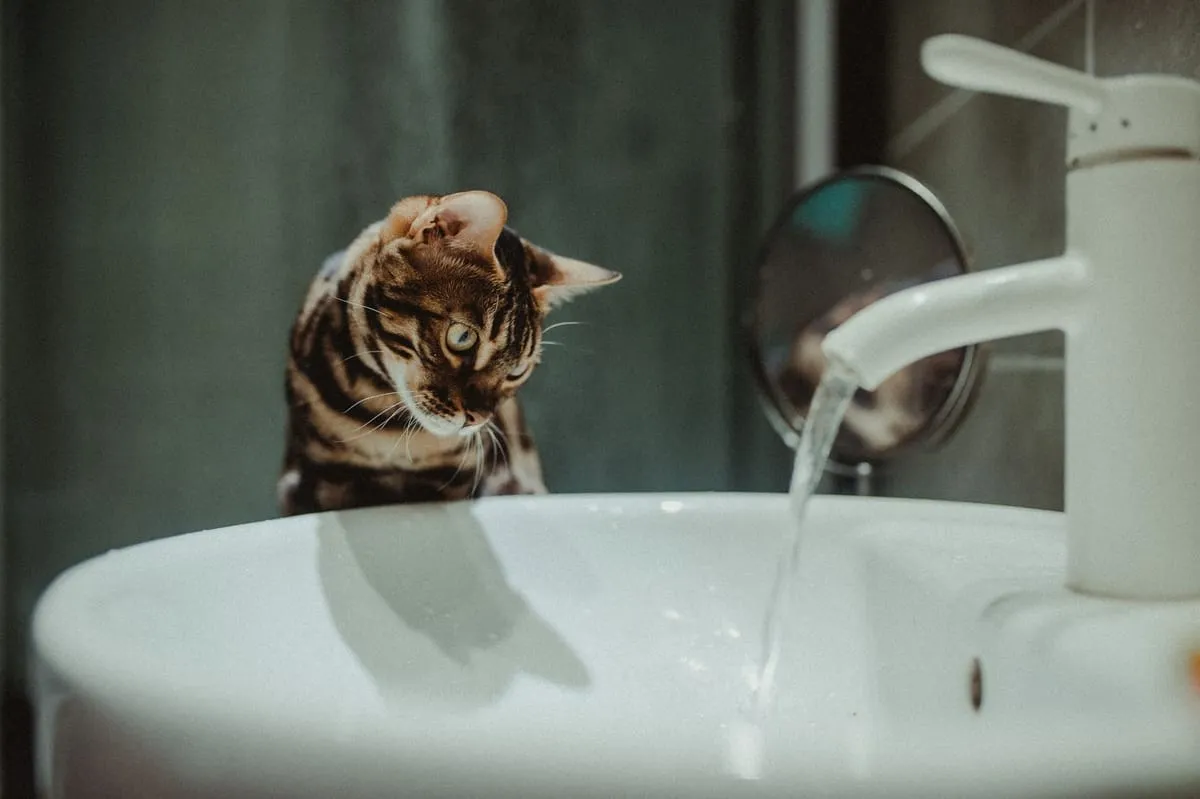
That shortened skull can make breathing noisier and less efficient than in a cat with a normal muzzle, particularly in heat, after exertion, or in a stuffy room, and it is a genuine reason to keep a Persian somewhere cool and unstressed rather than assuming any cat copes with warm weather the same way. The shallow tear ducts common in the breed also mean many Persians develop staining down the face that needs gentle daily wiping to stop it setting into the fur. Eating and drinking can be a little more awkward too, a shallow, wide dish or a raised bowl is easier on a flat face than a deep one, and a moving water source like a pet fountain tends to get more reliable drinking out of a cat whose face makes still water in a bowl harder to approach. None of this makes a Persian fragile, but it does mean small daily accommodations rather than treating the breed like any other cat.
Health, honestly
Beyond the face, Persians carry one health risk that deserves its own attention.
Polycystic kidney disease, an inherited condition where fluid-filled cysts gradually form in the kidneys and can eventually lead to kidney failure, is common enough in the breed that it shaped how responsible Persian breeding works today. A genetic test or an ultrasound-screened breeding line meaningfully lowers the odds of producing an affected kitten, and it is worth asking a breeder directly whether their cats are tested rather than assuming. The flat face adds its own predispositions, breathing difficulty, tear duct problems, and dental crowding from a shortened jaw, on top of that. None of this means every Persian will develop a problem, but it is exactly why buying from a breeder who tests, and who breeds a moderate rather than extreme face, matters more with this breed than with most.
Who a Persian suits
A Persian suits someone who wants a calm, affectionate, low-energy indoor cat and who genuinely has the time for daily coat care, not just the intention to find the time. It suits a household that can keep the cat cool in hot weather and is comfortable with a bit of extra daily face-wiping and vigilance around breathing and eating. It is a poor match for anyone who cannot commit to grooming every single day, wants an athletic or adventurous cat, or is not prepared to ask hard questions about PKD testing and face shape before buying a kitten. If a coat this demanding gives you pause but the calm temperament appeals, our guide to choosing the right cat for your home covers shorthaired alternatives with a similarly easygoing nature.
Groomed daily, kept cool, and bought from a breeder who tests for PKD and does not chase the most extreme face, a Persian is one of the most placid, affectionate cats you can share a home with, a genuine lap cat that asks for very little beyond the coat care and a comfortable place to sit. Just go in honest about how much of that care is a daily job, not a weekly one.
Common questions
- Are Persian cats high maintenance?
- The coat is, yes. A Persian needs daily brushing to stay free of mats, and many owners add a professional groom every few months on top of that. The temperament is the opposite of high maintenance, most Persians are calm, quiet, and happy to spend the day on a favourite cushion, so the effort goes almost entirely into grooming rather than entertaining an active cat.
- Do Persian cats shed a lot?
- Yes, and the long, dense undercoat holds onto loose fur rather than letting it fall away on its own, which is exactly why daily brushing matters more for a Persian than for most breeds. Skipped days add up fast into mats rather than just extra fur around the house.
- Why do Persian cats have flat faces, and does it cause problems?
- It is the defining trait of the breed, bred for over a century, and it does carry real consequences. The shortened skull can make breathing noisier and less efficient than in an ordinary cat, especially in heat or after exertion, and the shallow tear ducts common in the breed often cause staining down the face. Reputable modern breeding has moved away from the most extreme flat-faced lines for exactly this reason, so a moderate face is worth asking for.
- What health problems are Persian cats prone to?
- Polycystic kidney disease is the big one, an inherited condition that causes fluid-filled cysts to form in the kidneys over time, and it is common enough in the breed that a genetic test or an ultrasound-screened breeding line matters. The flat face also predisposes Persians to breathing difficulty, tear duct problems, and dental crowding. A breeder who health-tests for PKD and does not breed from the most extreme faces meaningfully lowers all of these risks.