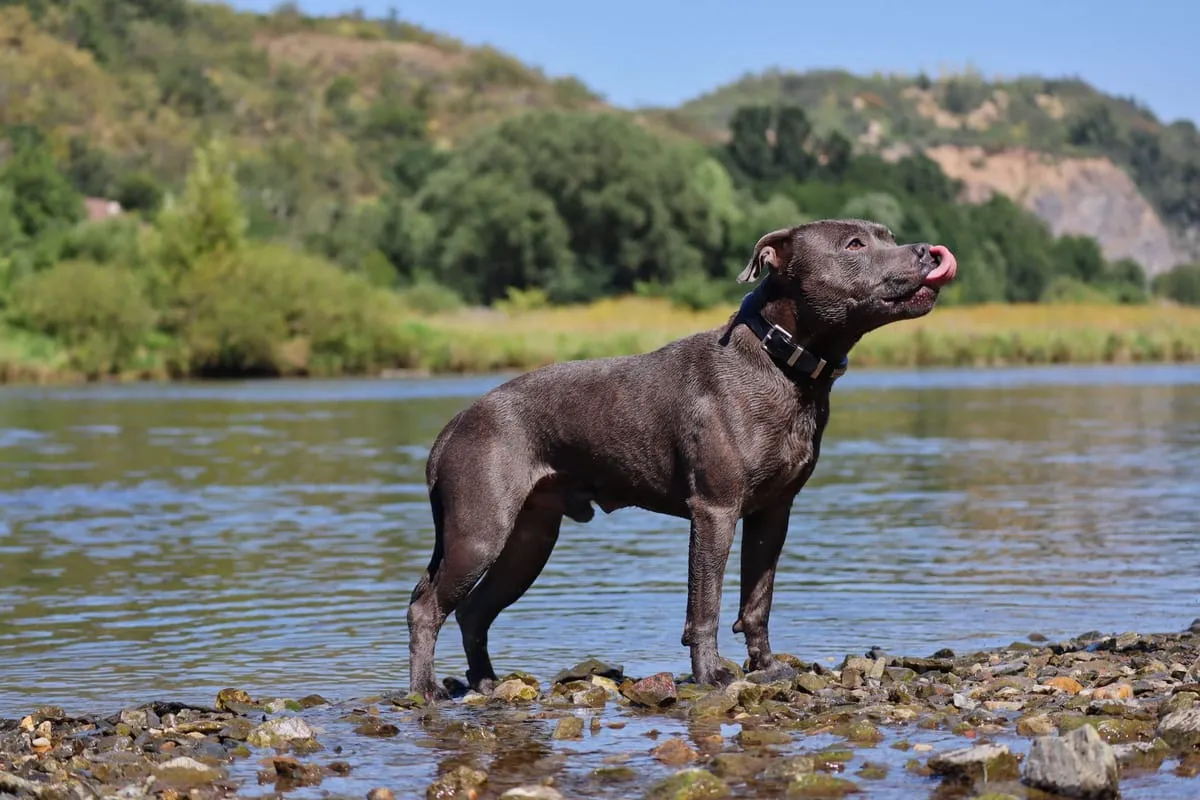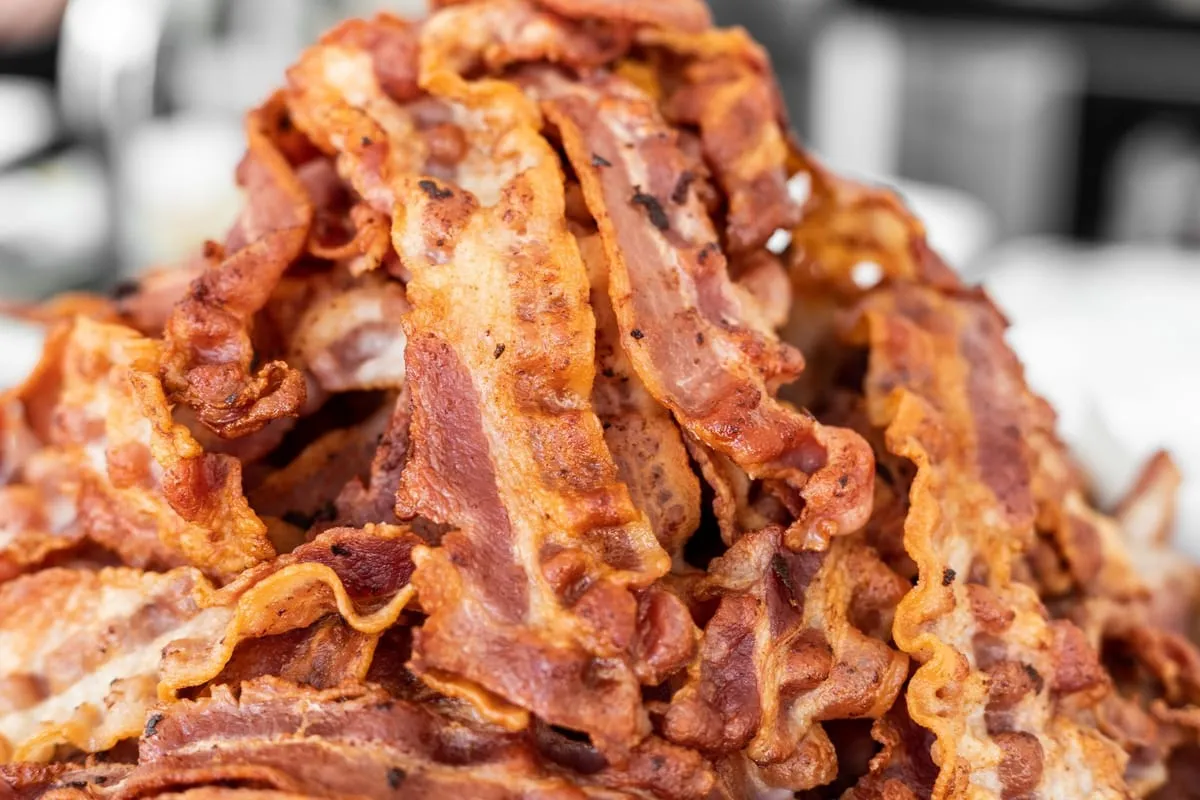
A small piece of plain cooked bacon will not poison a healthy dog, so if one slipped off the plate and got eaten before you could stop it, there is usually no need to panic. That said, bacon is not a treat worth reaching for on purpose. It is not dangerous the way chocolate or onions are, but it is rich enough, salty enough, and fatty enough that it causes more harm than its size suggests, and the way we usually cook and serve it makes that worse rather than better.
Why bacon is not the harmless treat it looks like
Bacon is cured pork belly, which means it is high in fat and salt before it even hits the pan, and frying it in its own fat concentrates both further.
For a person, that is most of why bacon tastes so good. For a dog, it is the problem. A dog’s digestive system is not built to handle a sudden hit of rich fat well, and salt in the amounts cured meat carries is more than a dog needs in a whole day, let alone one treat. None of that makes a single small piece dangerous for most healthy dogs, but it does mean bacon sits in the same category as cheese or fatty off-cuts of meat: fine occasionally and in small amounts, not something to treat as an everyday reward.
The real risk: pancreatitis
The fat is the part that actually matters, because a sudden load of rich fat is one of the more common triggers of pancreatitis in dogs, an inflammation of the pancreas that ranges from a few uncomfortable days to a genuine emergency.
Signs usually show up within a few hours to a day or two of the fatty meal, and include vomiting, a hunched or tender-looking belly, lethargy, and a dog that will not settle or eat. It is more likely after a large or rich amount is eaten all at once, a whole pack of bacon rather than a single strip, and dogs that are already overweight, older, or have had pancreatitis before are at higher risk from a smaller amount than a lean, healthy dog would be.
Raw bacon is a separate problem
Cooked bacon’s main issue is fat and salt. Raw or undercooked bacon adds a second one: the same bacteria that make raw pork risky for people, including salmonella and listeria, are just as able to make a dog sick.
Keep raw bacon, and raw pork generally, away from dogs rather than assuming a stronger stomach protects them. If your dog does steal a piece of raw bacon off a counter, the main things to watch for are the same as any food-poisoning scare, vomiting, diarrhoea, and a dog that is off colour over the following day or two.
If you do give it, do it like this
A small amount of plain bacon now and then is not something to lose sleep over for most healthy dogs, so here is how to make it as low-risk as possible rather than treating it as off-limits entirely.
Cook it plain, with no seasoning, no onion or garlic, and nothing sweet or glazed over it. Cook it through properly so it is crisp rather than chewy and raw in places, which renders out some of the fat rather than leaving it in the meat. Tear off a small piece, a thumbnail-sized amount for a small dog, a bit more for a large one, rather than handing over a whole strip, and keep it an occasional thing rather than a regular topper on meals. Pat off any visible grease before offering it, and never pour the pan fat over a dog’s food, since that is the part most likely to cause trouble.
So, can dogs eat bacon? In small, occasional, plain cooked amounts, most healthy dogs tolerate it fine, but it earns its place as a rare treat rather than a regular one because of the fat and salt, and it is genuinely worth being careful with for dogs that are overweight, older, or prone to pancreatitis. If you notice vomiting, a painful belly, or a dog going off food after a fatty meal, that is the moment to call your vet rather than wait it out. For how treats like this fit into the bigger picture of your dog’s diet, see our guide to how much you should feed your dog, and for another rich, moderation-only treat, our guide to cheese covers much the same trade-off.
Common questions
- Is bacon toxic to dogs?
- No, bacon is not toxic in the way chocolate or grapes are, so one small piece will not poison a healthy dog. The real risk is the fat and salt, which can upset a dog's stomach and, in rich or repeated amounts, trigger pancreatitis, a genuinely serious condition rather than a quick scare.
- Can dogs eat bacon grease?
- No, this is worth avoiding more than the bacon itself. Bacon grease is close to pure fat, and pouring it over a dog's dinner or letting them lick the pan is one of the more common ways owners accidentally trigger pancreatitis, far more so than a single strip of bacon eaten plain.
- Is turkey bacon safer for dogs than pork bacon?
- It is leaner, which helps, but it is still a cured, salted, processed meat, so the same caution applies. Treat turkey bacon as a slightly lighter version of the same occasional, small-amount treat rather than something a dog can eat freely.
- My dog ate a whole pack of bacon, what should I do?
- Call your vet, especially if your dog is small, already overweight, or has had pancreatitis before. A large amount of fat eaten at once is exactly the scenario that triggers it, and pancreatitis can take a few hours to show itself, so do not wait for symptoms before asking for advice.