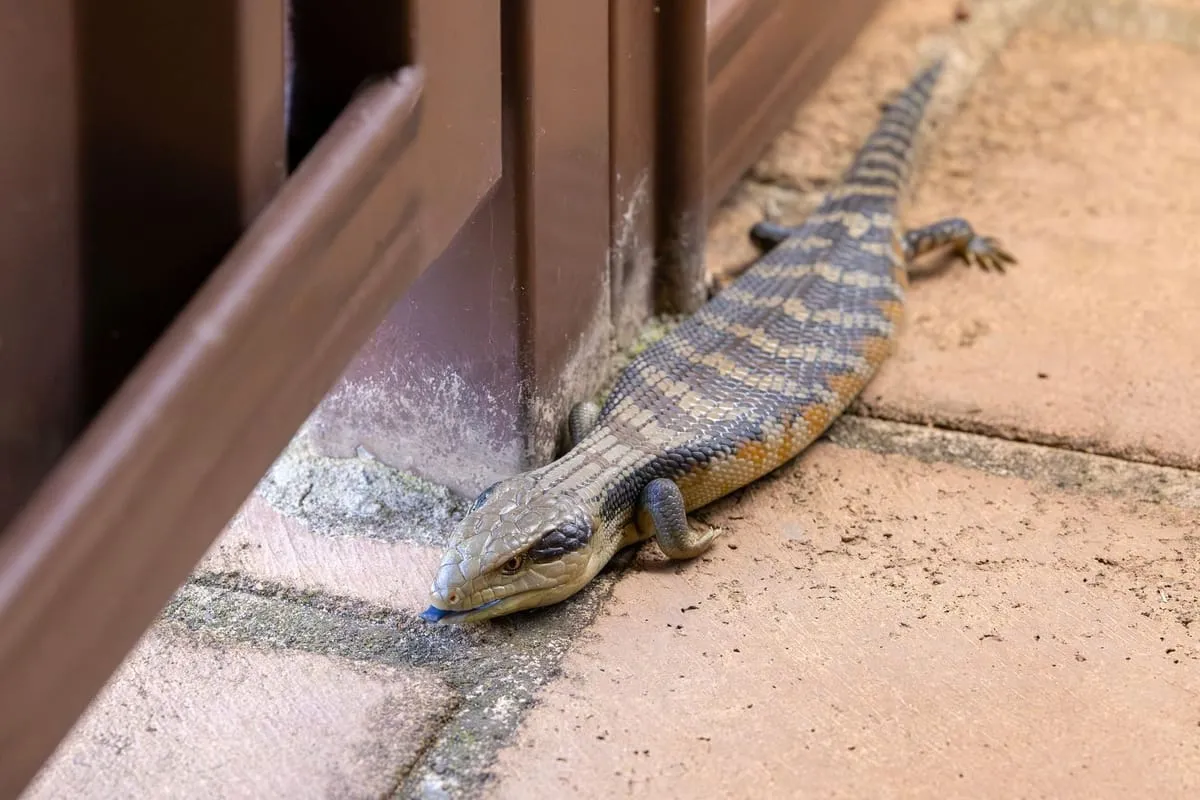
Blue-tongue skinks have quietly become one of the more popular mid-sized lizards in the hobby, and the reason is not really the tongue, startling as it is in a defensive hiss. It is the combination of a thick-bodied, almost comically solid build with a temperament that tends to be calm and genuinely tolerant of handling once settled. They also eat differently to most of the lizards people already know, which is exactly where new keepers most often go wrong with them.
What makes them different
Most of the commonly kept pet lizards fall into fairly narrow diet categories, which shapes a lot of assumptions a new skink owner brings in without realising it.
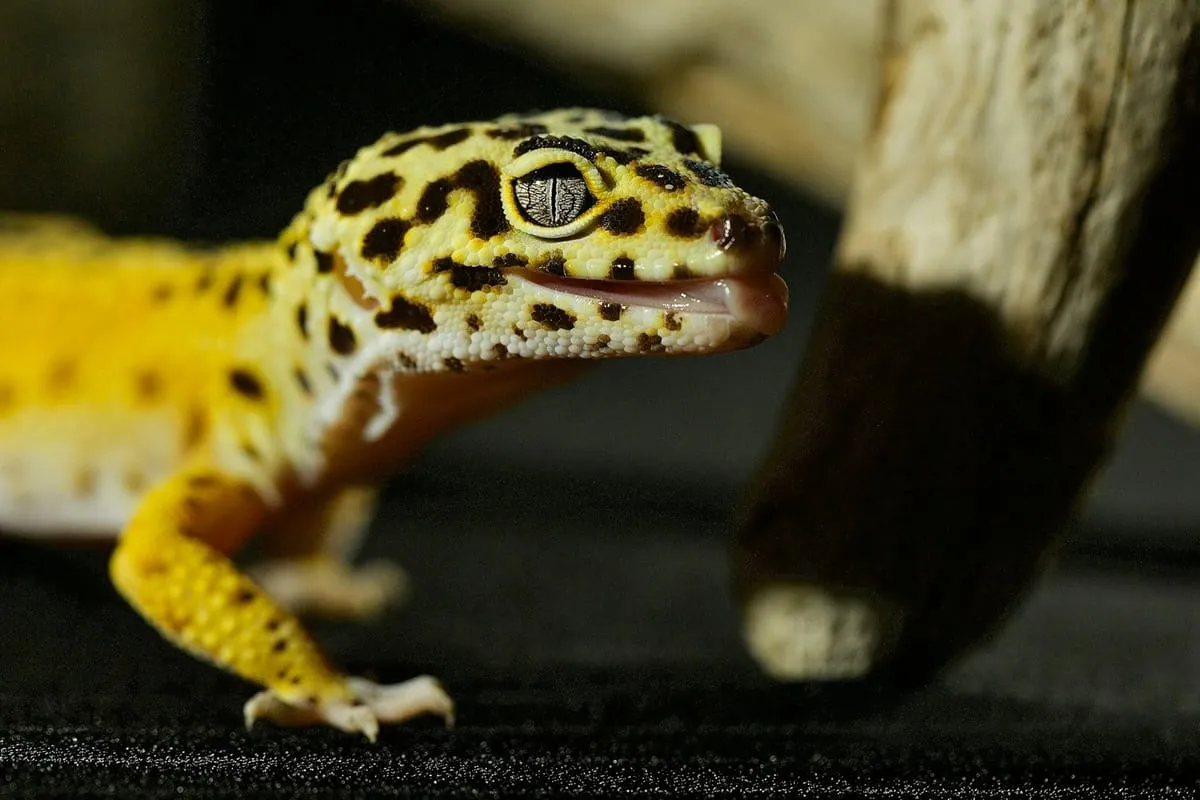
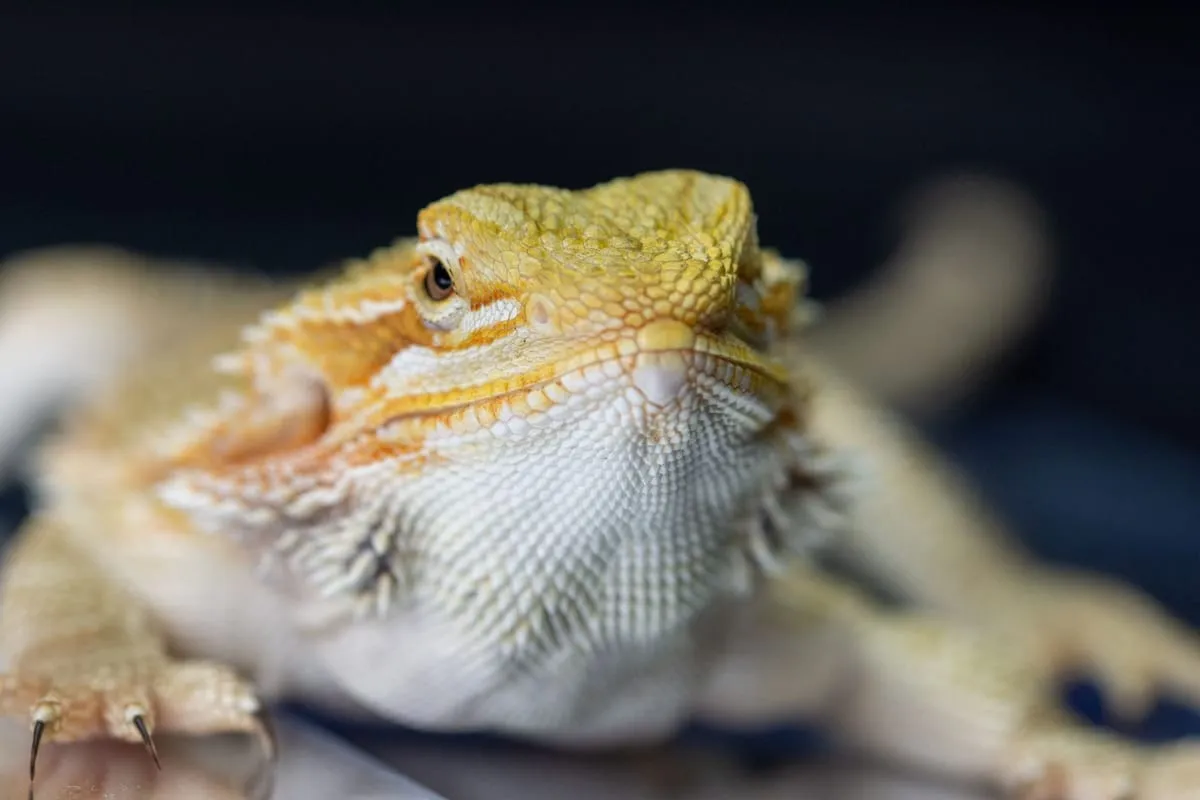
Bearded dragons and leopard geckos are insect-led, with bearded dragons eating more plant matter as adults and geckos staying almost entirely insectivorous. Blue-tongue skinks are properly omnivorous, eating meaningful amounts of both animal protein and plant matter as a matter of normal biology, not as an occasional treat. That single fact changes the feeding plan more than anything else about keeping them, and it is the detail most first-time keepers underestimate, often by simply feeding a skink the way they would feed a bearded dragon and ending up with a diet too heavy in protein and fat for what the animal actually needs.
Enclosure and heat
Being calm does not mean being small, and the enclosure is where a lot of new keepers under-plan for this species.
An adult blue-tongue skink is a big, heavy-bodied lizard, and it needs floor space to match, closer to what you would set up for an adult bearded dragon than a leopard gecko. Plan for a genuinely large adult enclosure from the outset rather than starting small and upgrading later, since repeated upgrades are more disruptive and more expensive than buying the right size once. Inside it, they need the same basic structure as other diurnal, basking reptiles: a clear warm and cool end so the skink can move to the temperature it wants, a basking spot, and correct UVB lighting, which matters here exactly as much as it does for a bearded dragon and is covered in full in why UVB and heat matter so much for reptiles. A proper UVB bulb sized to the enclosure is not optional for a basking species like this one. Add a substrate that supports some digging, since many skinks like to burrow, a secure hide, and a water dish, and verify every temperature with a real thermometer rather than trusting a dial.
Feeding, the part that is actually different
This is where a blue-tongue skink stops behaving like the lizards most people have already read about, and it is worth slowing down on.
A workable diet rotates a lean, appropriate protein source, gut-loaded feeder insects, cooked lean meat, or a specifically formulated omnivore diet, with a noticeably larger share of vegetables and some fruit than an insect-eating lizard would ever get. Leafy greens and other reptile-safe vegetables should make up a real portion of what goes in the bowl, not a token leaf dropped in alongside the main event. Everything still gets dusted with calcium, since that part of reptile feeding does not change by species, and it connects to the same principles covered in feeding your reptile the right diet and supplements. The mistake to actively avoid is treating a skink like a bigger insectivore and feeding mostly protein with vegetables as an afterthought. Overfeeding fatty protein to an omnivore built to eat a varied diet is one of the more common ways pet skinks end up overweight, and extra weight on an already heavy-bodied lizard is a real strain, not a cosmetic issue.
Who this suits
A blue-tongue skink rewards a particular kind of keeper, and it is worth being honest about who that is.
It suits someone who wants a large, calm, genuinely handleable lizard and is prepared to set up and maintain an enclosure sized for an adult from day one, not someone hoping to start small. It also suits someone willing to shop and prep a varied diet regularly, rather than scooping the same tub of one food item every day, since variety is not optional here the way it can be with a more specialised feeder. It does not particularly suit anyone wanting the smallest, cheapest reptile setup possible, or anyone squeamish about handling raw or cooked protein as a normal part of feeding routine. For the right keeper, though, a blue-tongue skink is one of the more genuinely companionable lizards available, often settling into handling better than flightier species, and living fifteen to twenty years or more with good care.
Get the enclosure size and the diet balance right from the start, and a blue-tongue skink is a remarkably steady, long-lived lizard to share a room with, calm in the hand, interesting to watch, and a world away from the frantic, food-grabbing reputation some other common lizards carry.
Common questions
- Are blue-tongue skinks good for beginners?
- They suit a particular kind of beginner well, someone who wants a calm, handleable, large lizard and can provide a correspondingly large enclosure from the start. They are not a small, low-cost first reptile, but their temperament is genuinely forgiving and their husbandry, while real, is more straightforward than many lizards once the basics are in place.
- What do blue-tongue skinks eat?
- A genuine mixed diet, unlike most popular pet lizards. Expect a rotation of lean cooked or appropriate raw protein, gut-loaded insects, and a larger share of vegetables and some fruit than an insectivore or carnivore gets, all dusted with calcium. Getting the ratio right, rather than defaulting to mostly protein, matters more with this species than almost any other common pet lizard.
- How big do blue-tongue skinks get?
- Adults commonly reach around 18 to 24 inches nose to tail, with a solid, heavy-bodied build rather than a slender one. That size needs a genuinely large adult enclosure, closer to what you would plan for a bearded dragon than a leopard gecko, and it should be planned for from the start rather than upgraded into later.
- Do blue-tongue skinks need UVB?
- Yes. Like most diurnal, basking reptiles, they need UVB to produce vitamin D3 and use dietary calcium properly. Skipping it or running an old, weak bulb is one of the more common paths to metabolic bone disease in this species, exactly as it is in bearded dragons.