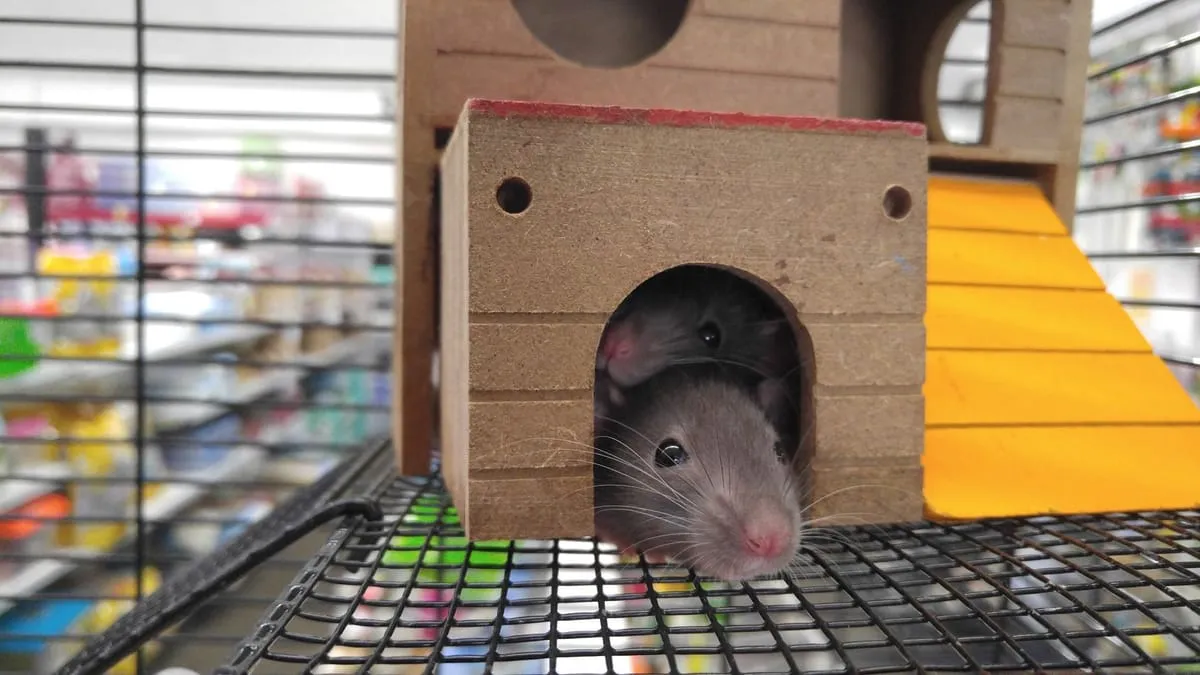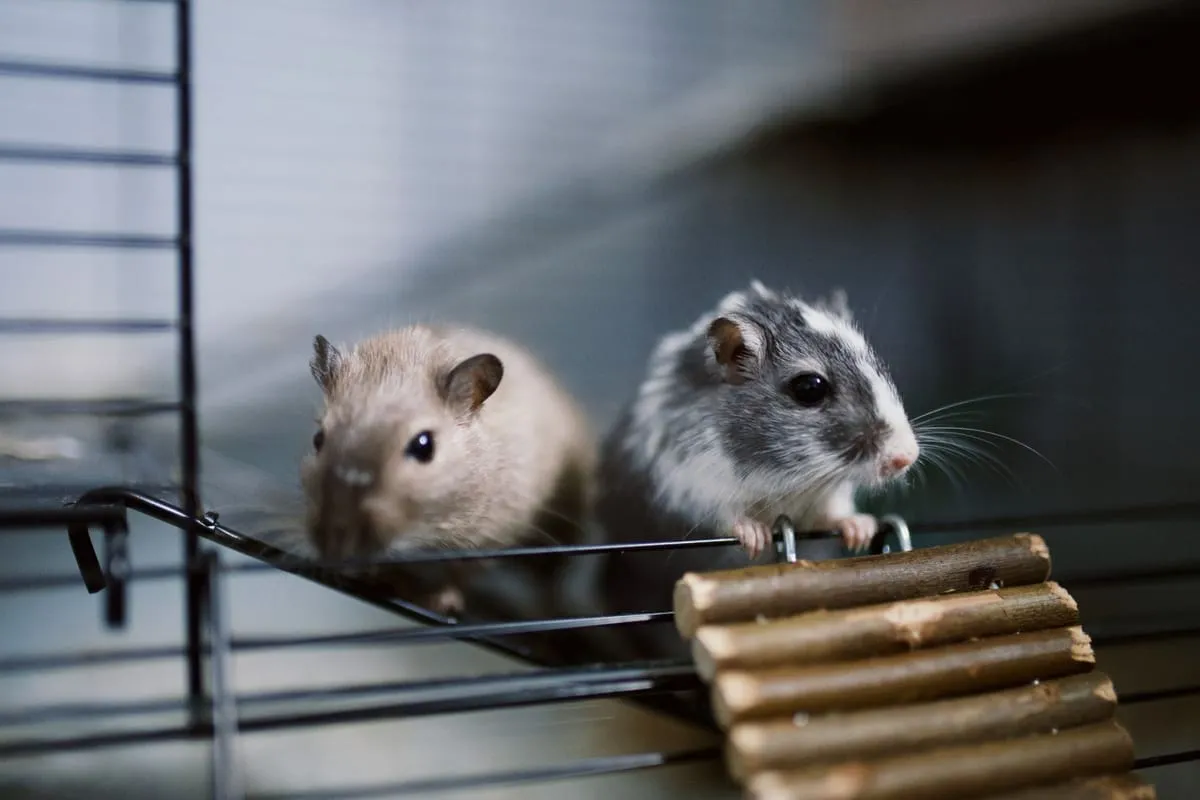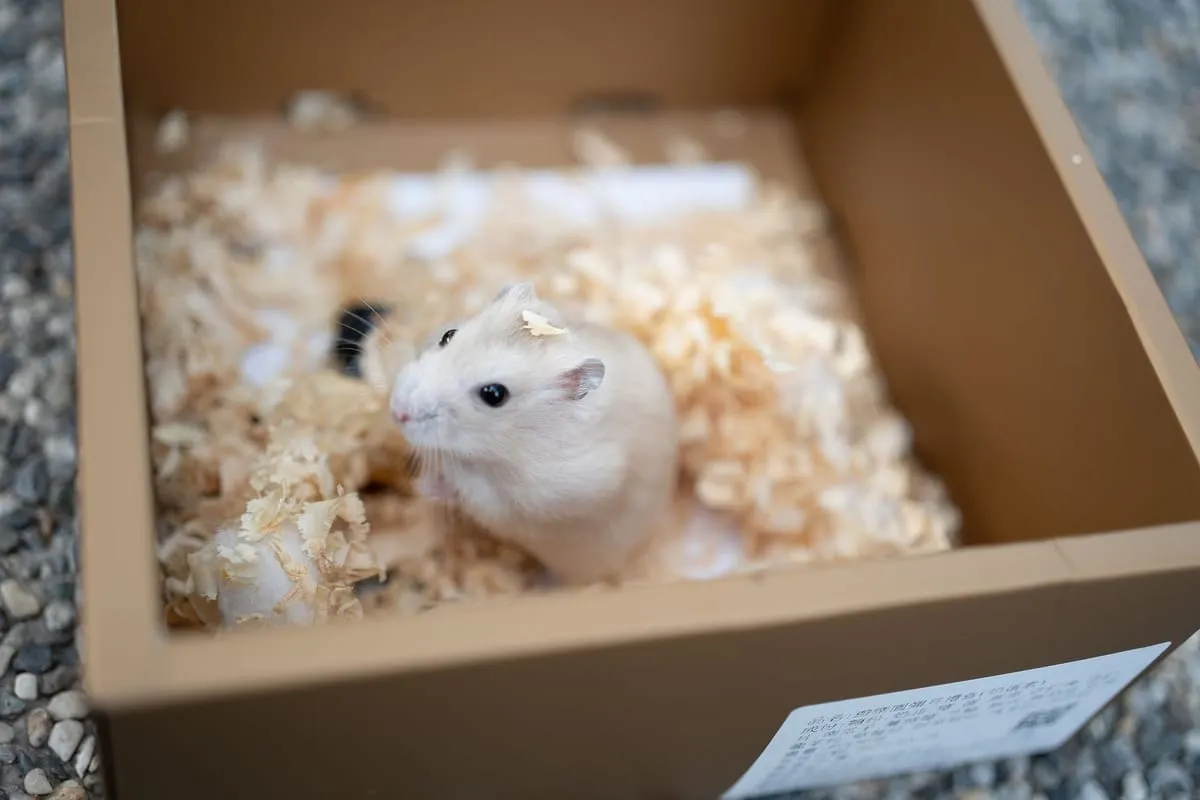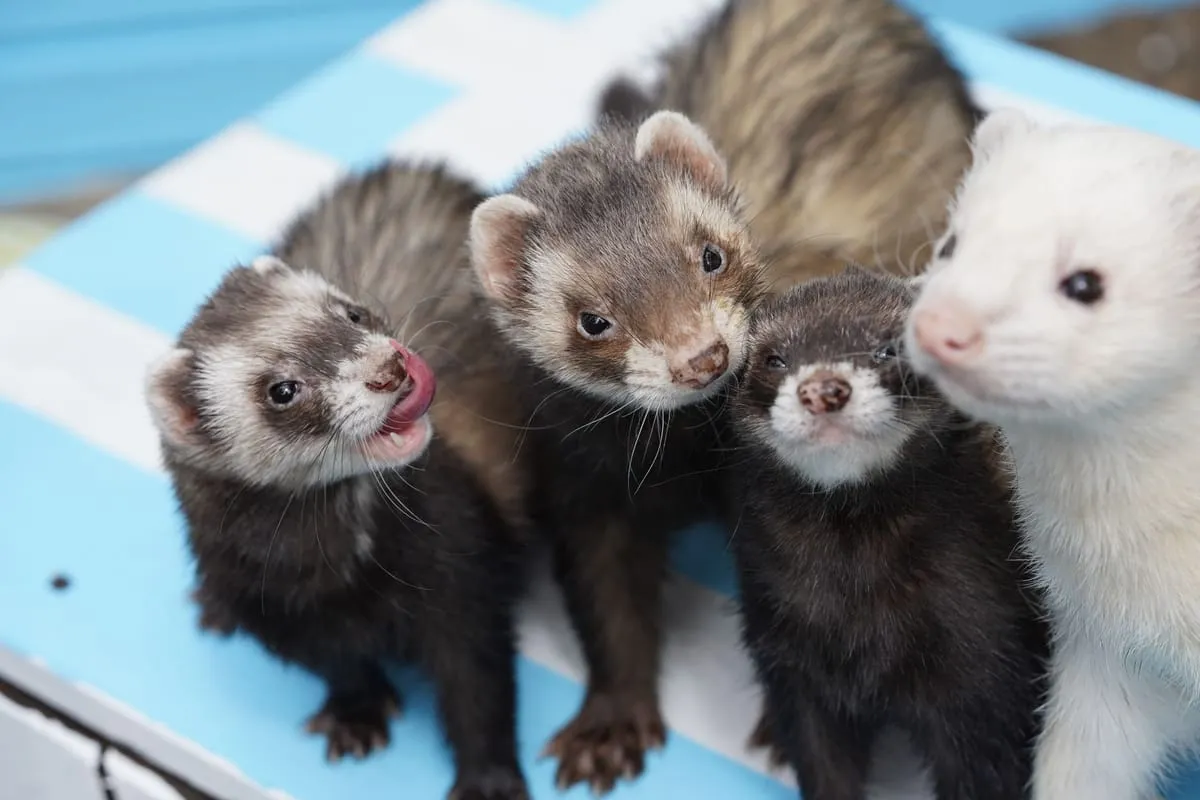
Ferrets get sold in some pet shops next to the hamsters and gerbils, as if they belong in the same category of low-effort pocket pet. They do not. A ferret is closer to a small, obligate-carnivore dog than to a rodent, needing hours of supervised free-roam time, a diet that gets it wrong in ways that cause real harm, and a home proofed against a very specific and dangerous habit most owners do not see coming. Here is what a ferret actually needs, and the things that catch new owners out.
An obligate carnivore, not a small omnivore
The single biggest mistake with a new ferret is feeding it like a small version of the animals sitting next to it in the shop.
Ferrets are obligate carnivores with a very short digestive tract built to process meat quickly, not the fibre-heavy plant diet that works for a rabbit or guinea pig, and not even the more flexible omnivore diet of a rat or hamster. A proper ferret needs a food that is high in animal protein and fat and very low in carbohydrate, either a dedicated ferret kibble or, in a pinch, a high-quality kitten food, never dog food, which is not built to the same protein and fat standard, and never a generic small pet or rodent mix. Fruit and vegetables offer little nutritional value to a ferret’s gut and are best kept as rare, tiny tastes rather than a real part of the diet.
Hours of free-roam time, not a life in the cage
A ferret’s cage is where it sleeps and eats, not where it is meant to live all day.
A good ferret setup is a tall, multi-level cage with ramps, hammocks, and a dedicated litter corner, but even a spacious cage is not enough on its own. Ferrets need several hours of supervised free-roam time outside it every day to run, dig, and play, since they are built for sustained bursts of activity between long stretches of sleep, fourteen to eighteen hours a day is normal. A ferret that only ever sees the inside of its cage becomes visibly bored and frustrated, whatever the cage’s size.
Ferret-proofing a room means thinking about rubber and foam
This is the warning every new owner needs before the free-roam time starts, not after a vet bill teaches it.
Ferrets are compulsive chewers of soft, spongy materials, foam earplugs, rubber shoe soles, sponge, foam furniture, and the rubber feet on small appliances, and they swallow the pieces rather than just gnawing on them. Unlike a dog working through a chew toy, a ferret cannot pass this kind of material, and a swallowed piece of foam or rubber causing an intestinal blockage is one of the single most common reasons pet ferrets end up in emergency surgery.
Beyond foam and rubber, ferrets are also expert squeezers, so gaps behind appliances, under cabinets, and inside reclining furniture all need blocking off, since a determined ferret finds spaces that look impossibly small.
The health conditions to know before you need them
Two conditions come up often enough in pet ferrets, especially as they get older, that it is worth recognising the early signs rather than meeting them for the first time in an emergency.
Adrenal disease causes progressive hair loss, often starting at the tail and working forward, along with an itchy skin and sometimes a swollen vulva in females or a return of neutered-male aggression, and it is common enough in middle-aged pet ferrets to be one of the first things a vet checks for. Insulinoma, the pancreatic tumour linked to a sugary diet, causes episodes of weakness, glassy-eyed staring, drooling, or collapse from low blood sugar, and needs prompt veterinary management rather than a wait-and-see approach.
Canine distemper is also fatal to ferrets and highly contagious, so a distemper vaccine on a schedule your ferret-experienced vet recommends is a genuine safety requirement, not an optional extra the way some vaccines are for other small pets.
Litter training and enrichment that actually fits the species
Ferrets can be litter trained reasonably well, since they tend to back into a corner to toilet the same way a rabbit does. A high-sided corner litter tray placed in the corner a ferret already favours, with extra trays scattered around any free-roam room, catches most of what a ferret produces, even if the odd miss near a corner is normal rather than a training failure.
For enrichment, ferrets share the small-pet love of tunnels and digging more than they share any interest in typical toys. A crinkle fabric tunnel taps directly into a ferret’s instinct to dash through tight spaces and is one of the more reliably popular pieces of enrichment across the whole small-pet world, ferrets included. Supervised outdoor time is possible too, on a well-fitted harness and stretchy lead rather than a collar a ferret’s narrow head can slip out of, introduced indoors first so the ferret accepts the feel of it before it matters outside.
Who a ferret actually suits
A ferret suits someone who wants a genuinely interactive, playful small pet and can offer real daily free-roam time, not a person looking for something that lives quietly in a cage like a hamster or gerbil. It suits someone willing to proof a room properly and find a ferret-experienced vet before an emergency forces the search, and someone prepared for a six-to-ten-year commitment with real health conditions to watch for in later life. Get the diet, the free-roam time, and the proofing right, and a ferret rewards the effort with a level of daily personality that few other small pets offer.
Common questions
- Do ferrets smell bad?
- They have a natural musky odour from their skin, which is normal and not a sign of poor hygiene, and it is separate from the scent glands near the tail that most pet ferrets have already had removed before sale. Descenting reduces the sharp defensive spray but does not eliminate the everyday musk, so regular cage cleaning, a good diet, and accepting a mild natural smell are all part of owning one, rather than something that can be washed away completely.
- Can a ferret be litter trained?
- Reasonably well, though rarely perfectly. Ferrets tend to back into a corner to toilet, so a high-sided corner litter tray placed where they already go, with more trays added in a free-roam room, gets most ferrets using them consistently, even if the occasional miss near a corner still happens.
- Do ferrets need another ferret for company?
- They do best with one, though it is not as rigid a rule as it is for rats or guinea pigs. Ferrets are highly social and play hard with each other in a way a person cannot fully replace, so a pair is usually kinder than a single ferret unless you can offer several hours of direct interactive play every single day.
- How long do pet ferrets live?
- Typically six to ten years with good care, though some of the endocrine conditions common in the species can shorten that. That is a longer commitment than a hamster or gerbil and closer to a cat, which is worth weighing against the more involved daily care a ferret needs compared with most small pets.