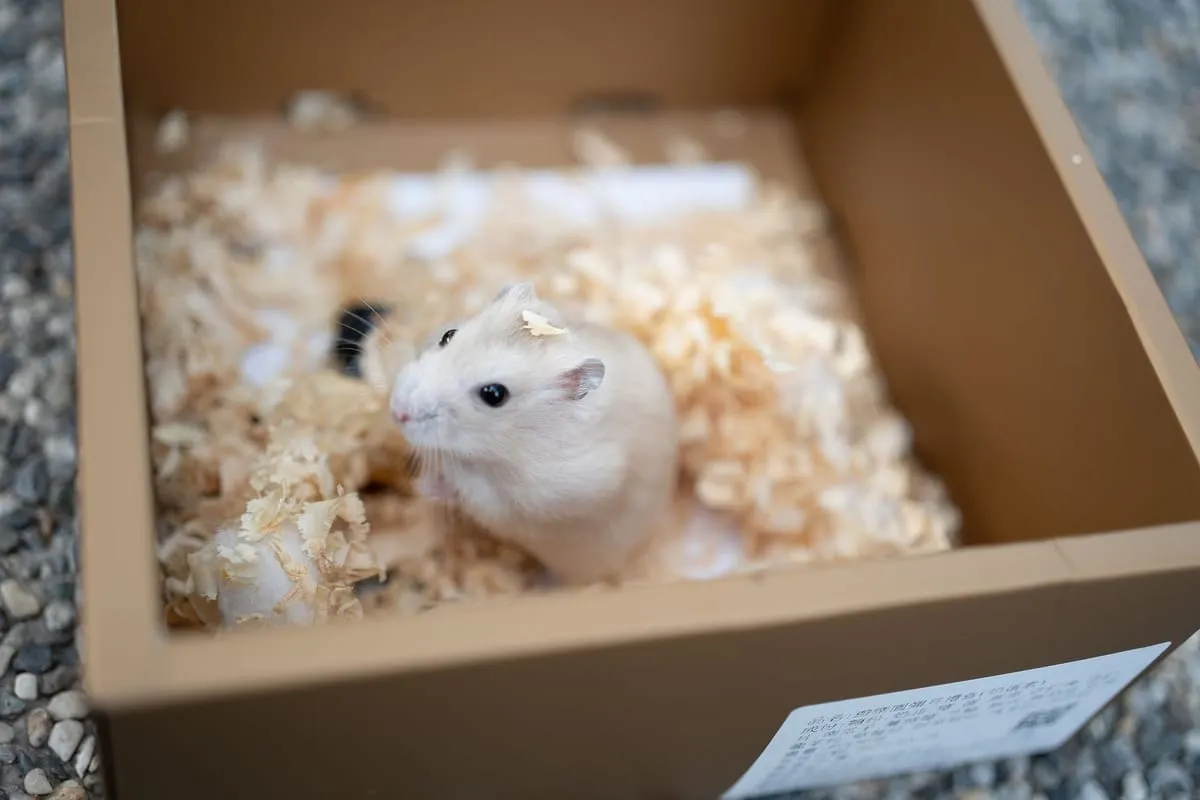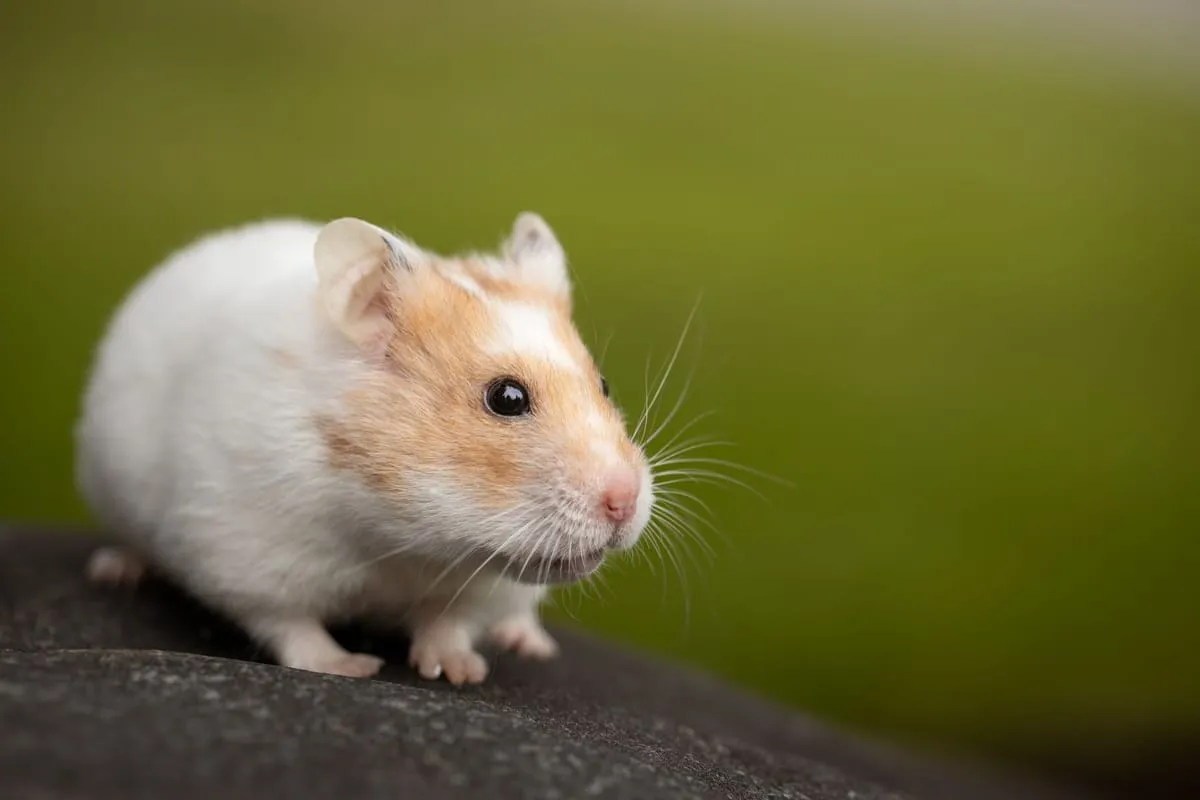
Wet tail is the name every hamster owner ends up learning sooner or later, and for good reason. It is one of the few genuinely fast, genuinely dangerous illnesses in an otherwise fairly hardy pet, and it hits hardest in exactly the situation a lot of new owners are in, a young hamster settling into a new home. Here is what it actually looks like, why it can turn serious within a day, and what to do the moment you see it.
What wet tail actually is
Wet tail is the common name for proliferative ileitis, a bacterial infection of the gut most often associated with Lawsonia intracellularis, though other bacteria can be involved too.
It causes severe, watery diarrhea, severe enough that the fur around the tail and rear end stays constantly damp, which is exactly where the name comes from. It is seen most often in young hamsters recently weaned or newly rehomed, roughly three to eight weeks old, since stress and an immature gut make this the age group most vulnerable, though an adult hamster under enough stress can develop it too. Syrian hamsters are affected far more often than dwarf species, though it is not exclusive to them.
The signs to watch for
The name gives away the most obvious sign, but there is usually more going on by the time the fur is visibly wet.
Look for watery or loose diarrhea, damp, matted, or soiled fur around the tail and back end, a hunched or lethargic posture, a hamster that is reluctant to move or feels cool to the touch, a loss of appetite, and often a noticeably unpleasant smell. Some hamsters also show a swollen or tender abdomen. A hamster with wet tail typically looks obviously unwell rather than just slightly off, quiet, weak, and uninterested in food it would normally go straight for, and that combination of diarrhea plus a genuinely sick-looking animal is what separates wet tail from an ordinary loose stool.
Why it moves so fast
A hamster is a tiny animal with very little reserve, and severe diarrhea drains fluid out of a body that small at a rate a larger pet could tolerate far longer.
Dehydration sets in quickly once the diarrhea starts, and it is the dehydration, more than the infection itself, that turns a sick hamster critical within a day or two. Stress is the biggest known trigger, the upheaval of weaning, a recent move to a new home, overcrowded or unsanitary housing, a sudden diet change, or the stress of a pet shop environment before a hamster ever reaches its new owner. A weakened or immature immune system on top of that stress is what lets the bacteria take hold. It also spreads between hamsters sharing space or equipment, which is one more reason Syrian hamsters, who should be housed alone in any case as covered in our Syrian hamster care guide, do better solo, and why a newly introduced hamster is worth watching closely during its first couple of stressful weeks.
What to do right now
Get your hamster to an exotics-experienced vet as soon as possible and describe exactly what you are seeing, when the diarrhea started, how the hamster is behaving, and whether it is still eating or drinking. On the way, keep it warm, since a sick, dehydrated hamster loses body heat fast, and make sure fresh water is within easy reach in case it will drink. Move it to a clean enclosure away from any other hamster, and hold off on handling more than necessary, since a hamster this unwell is under enough stress already.
A vet will typically prescribe antibiotics along with fluids to correct the dehydration, and treatment works far better started early than after several days of untreated diarrhea. Keep closely to whatever plan your vet sends you home with, and weigh your hamster daily on a gram-accurate scale while it recovers, since weight is one of the clearest signs of whether treatment is working, in a way that is easier to track on numbers than by eye alone.
Lowering the risk
Prevention comes down mostly to keeping stress low, particularly in the first couple of weeks after bringing a hamster home. Handle a new hamster gently and gradually rather than a lot all at once, keep the cage clean with a dust-free, absorbent bedding changed regularly, avoid overcrowding, introduce any new food gradually rather than all at once, and keep the environment as calm and predictable as you reasonably can. None of this guarantees a hamster will never develop wet tail, but a low-stress start meaningfully lowers the odds, and knowing what your hamster’s normal energy, appetite, and droppings look like, covered in more depth in the health signs small pets hide, is what lets you catch the early signs before they become a genuine emergency.
Wet tail is frightening precisely because of how fast it moves, but a hamster that gets prompt veterinary treatment has a real chance of pulling through. Watch closely in that first vulnerable fortnight, treat watery diarrhea in a hamster as an emergency rather than something to monitor for a day or two, and the odds tip firmly in your hamster’s favour.
Common questions
- What exactly is wet tail in hamsters?
- Wet tail is the common name for proliferative ileitis, a bacterial infection of the gut most often linked to Lawsonia intracellularis. It causes severe watery diarrhea that leaves the fur around the tail and rear end constantly damp, which is where the name comes from. It is one of the most serious illnesses in pet hamsters and moves from first symptoms to genuinely critical fast.
- How quickly does wet tail become dangerous?
- Very quickly, often within a day or two of the first signs. The diarrhea causes rapid dehydration in an animal as small as a hamster, and a hamster showing symptoms needs a vet the same day rather than being watched at home for a day or two to see if it improves.
- Is wet tail contagious to other hamsters?
- Yes, it can spread between hamsters housed together or sharing equipment and bedding, so a sick hamster should be moved to its own clean enclosure straight away and anything it has touched, wheel, dishes, hideouts, thoroughly cleaned before another hamster uses it. Since Syrian hamsters should be housed alone anyway, this mainly matters in multi-hamster households or pet shop environments.
- Can wet tail be treated at home?
- No, not as a first response. Wet tail needs prompt veterinary antibiotics and fluid support to have a real chance of recovery, and the mortality rate climbs sharply the longer treatment is delayed. Keeping a sick hamster warm and offering water while you arrange the vet visit is reasonable support, but it does not replace the visit.