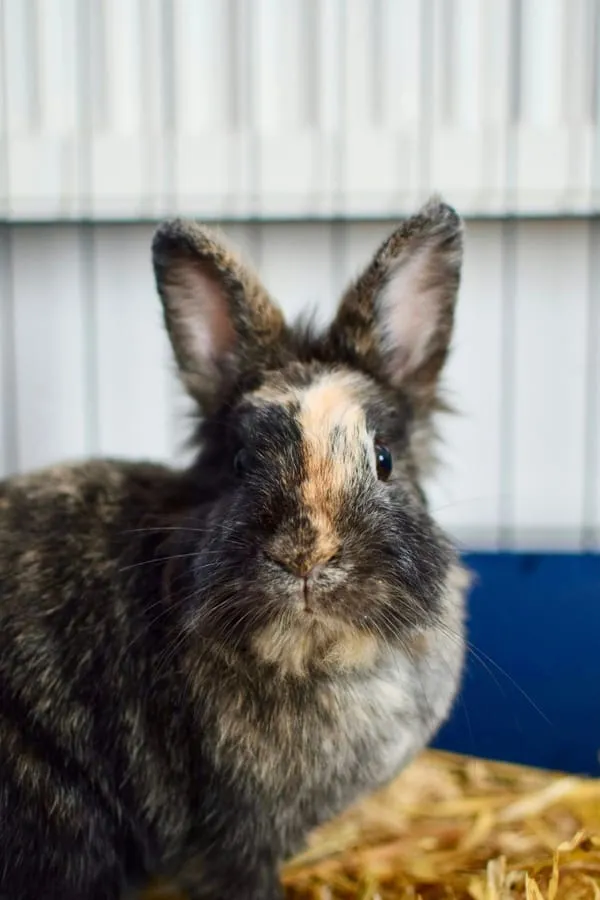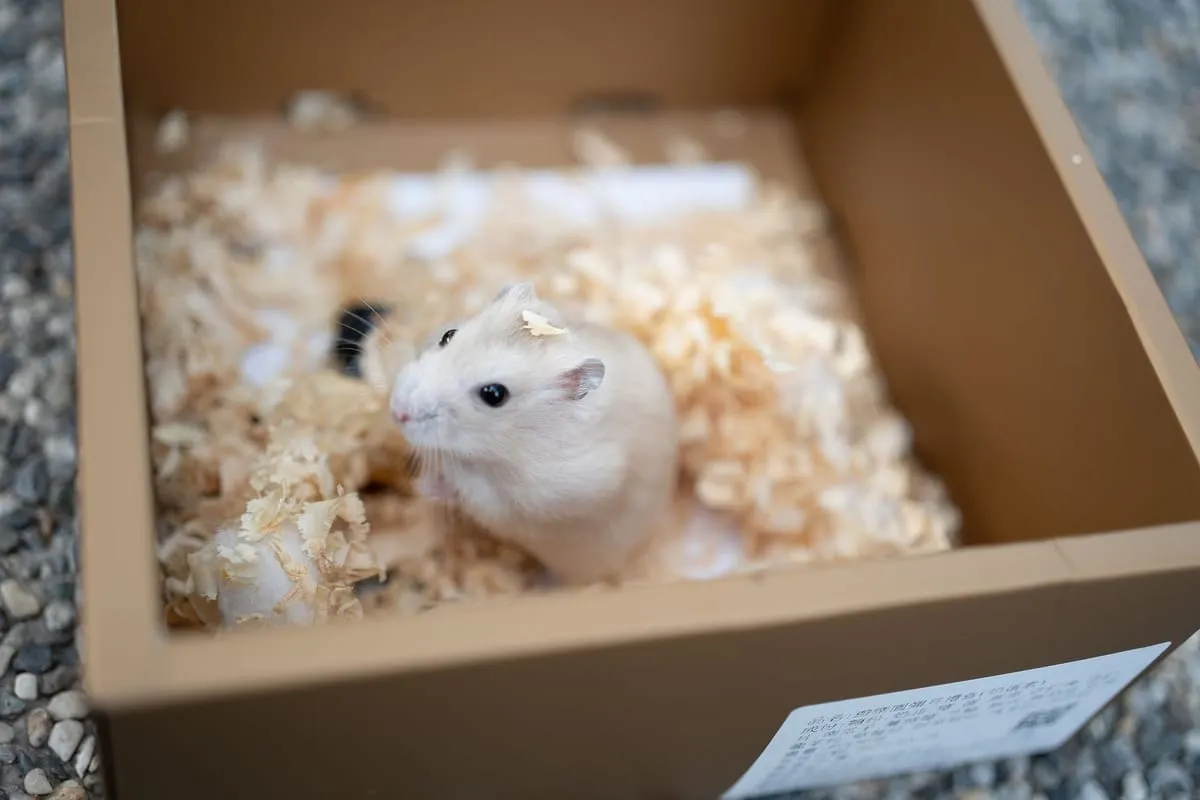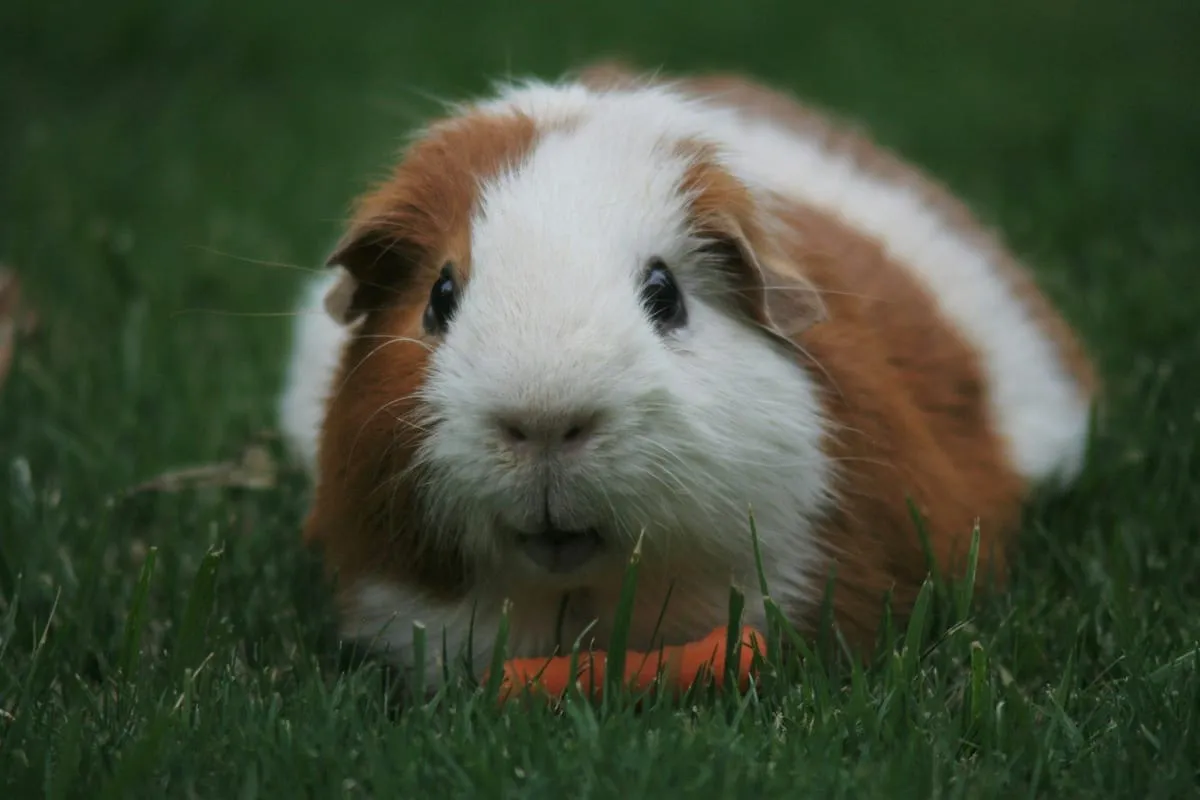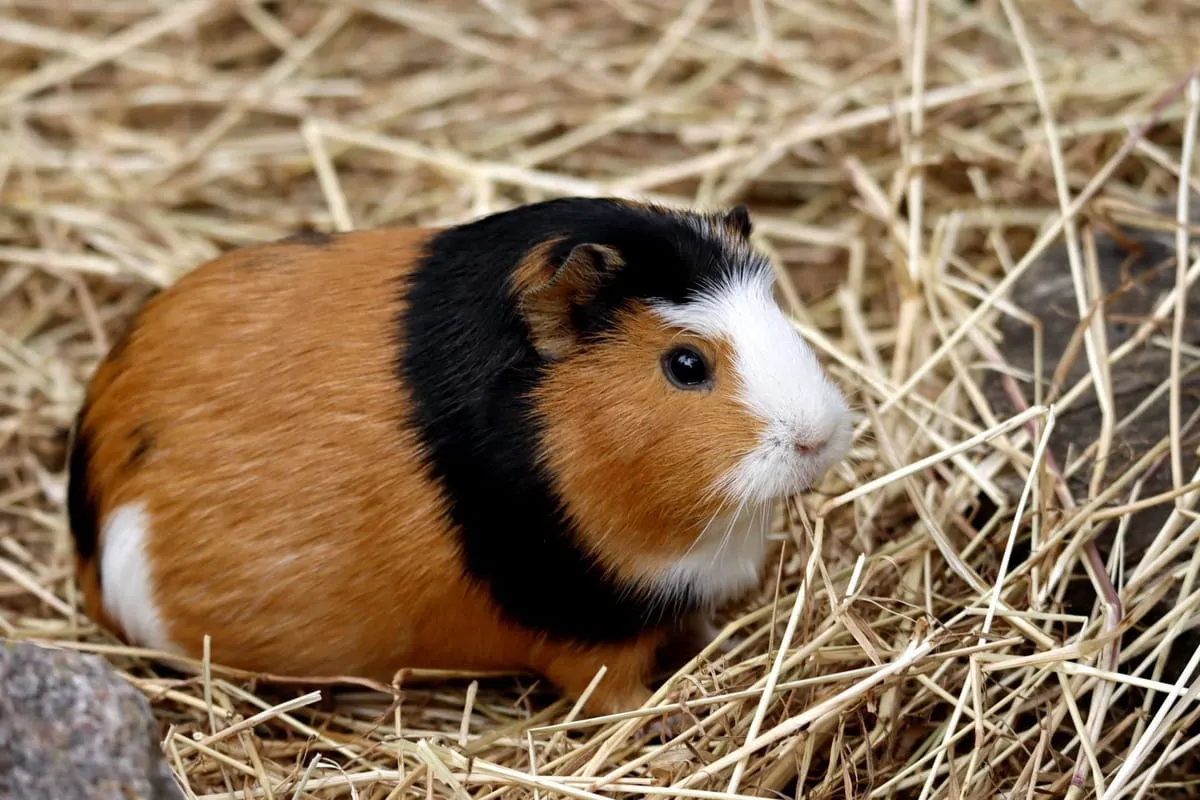
You need a much larger enclosure than the shop suggests with a run attached, unlimited grass hay, a measured species-appropriate pellet, fresh greens, a heavy bowl and water, a hideout for each animal, safe bedding, a hay rack, wooden chews, a litter tray, nail clippers and kitchen scales. Hay is the most important item. Space and a companion are the two things no purchase substitutes for.
Everything that goes wrong with these animals in an ordinary home traces back to that short list, and usually to the first three items. So this guide is arranged in order of how much each thing actually matters, which is close to the opposite of how a pet shop arranges its shelves.
Space, and why the cage on the shelf is not enough
The enclosure is the biggest decision and the one most often got wrong, because the thing sold as a rabbit hutch or a guinea pig cage is frequently smaller than either animal needs.
Both species are built to move. A rabbit runs, hops in sequence, and periodically launches into the air, and it needs to be able to stand fully upright on its back legs without its ears touching anything. A guinea pig sprints in short bursts and does a joyful hop called a popcorn, which needs floor space in a straight line. The honest test for any enclosure is whether the animal can take several consecutive hops or a short sprint, stretch out completely, and in a rabbit’s case stand up fully, without hitting a wall. Most cages sold for them fail that test comfortably.
The practical answer is to stop thinking in terms of a cage at all. A puppy pen indoors, a permanently attached run outdoors, or a converted spare room gives these animals what they need, and the key word is permanently: space available all the time is a different thing from an hour of supervised exercise. A small hutch with an hour out is not the same as a large space they can use whenever they want.
Hay, which is the whole diet
If you get one thing right, get the hay right, because it is both the main food and the thing that keeps these animals healthy.
Grass hay should be available at all times and should make up the great majority of what a rabbit or guinea pig eats. It does two jobs at once. Chewing it grinds down teeth that never stop growing, and without that constant wear the teeth overgrow into a painful and expensive dental problem. And the fibre keeps the gut moving, which for these animals is not a comfort issue but a survival one. Grass hay in bulk is the everyday staple, and a hay rack keeps it off the floor so it stays clean and gets eaten rather than soiled and wasted.
Pellets are a supplement, not a meal. A small measured daily portion of a timothy-based rabbit pellet or a guinea pig pellet covers the gaps, and the muesli-style mixes with coloured bits are best avoided because animals pick out the sweet pieces and leave the rest. Fresh greens go in daily, introduced slowly and one at a time with a new animal.
Water, bowls and bedding
The small items, where a few sensible choices save a good deal of trouble.
Water can be a bottle, a bowl, or both, and there is a reasonable argument for offering both. A no-drip sipper bottle keeps water clean and is the long-standing default, while a heavy bowl lets an animal drink in a more natural posture and usually means it drinks more. Check a bottle actually runs every single day, because a blocked nozzle is easy to miss and an animal without water gets into trouble fast. Food goes in something that cannot be tipped or chewed, which means a heavy ceramic bowl rather than a light plastic one.
Bedding should be soft, absorbent and low in dust. Paper-based bedding is a reliable default, topped with a generous layer of hay, and the hay serves as bedding and food at the same time. Skip anything heavily scented. If you are litter training, and rabbits in particular take to it readily, use a high-backed corner tray with a paper-pellet litter rather than a clumping clay cat litter, which can cause a blockage if it is nibbled.
Hiding places, chews and things to do
Rabbits and guinea pigs are prey animals, and an animal with nowhere to hide is an animal under constant low-level stress.
Give at least one hideout per animal, and ideally one more than that, so nobody gets cornered. A dome hideout or a chewable wooden hut both work, and a cardboard box with two doorways cut in it works nearly as well for nothing. Two exits matter more than the material, because a hideout with one way in and out can become a trap in a squabble.
Then give them something to do. Chewing is a need rather than a hobby, so chunky willow sticks and a woven willow ball give teeth a legitimate target. A skewer treat holder loaded with vegetables makes an animal work for its food, which is far more interesting than finding it in a bowl. Tunnels, cardboard, paper bags without handles and a dig box of shredded paper are cheap and reliably popular. Exercise balls, on the other hand, are best left alone for rabbits and guinea pigs, whose spines and backs do not suit them.
The health kit that pays for itself
A short list of unglamorous items that catch problems early, which with these animals is the entire game.
Kitchen scales come first. A flat gram-accurate scale used once a week, with the number written down, is the most reliable early-warning system you have. These are prey animals and they hide illness completely until they cannot any more, and steady weight loss shows up in the numbers days before anything is visible. Our guide to the health signs small pets hide covers what else to watch for.
Add a set of small nail clippers, since nails on a house pet do not wear down naturally, and a soft grooming mitt or brush, which matters a great deal for long-coated guinea pigs and for rabbits during a moult. A travel carrier should be bought before you need it rather than in a hurry on the day.
Where to put it all
The last decision is placement, and it matters more than it sounds.
Indoors, keep the enclosure out of direct sun and away from radiators and draughts, and somewhere the household actually is, because both species are social and a spare room is a lonely place. Rabbit-proof the area they have access to: cover or box in cables, since a chewed live cable is a genuine danger, block gaps behind furniture, and move houseplants you are not sure about.
Outdoors, a hutch needs to be genuinely predator-proof, weatherproof and properly shaded, and heat is the bigger risk of the two extremes. Both species cope with cold far better than with heat, and a hutch in full afternoon sun is dangerous. Attach the run permanently rather than carrying animals back and forth, and check the whole setup every day.
Get the space, the hay and the company right and most of the rest is detail. Get those three wrong and no amount of equipment makes up for it. Our rabbit care guide and guinea pig care guide go further into the day-to-day of each species, and which small pet is right for you is worth reading first if you are still deciding.
Common questions
- What do I need to buy for a new rabbit or guinea pig?
- A far bigger enclosure than the pet shop suggests plus a permanently attached run or a pen, unlimited grass hay, a species-appropriate pellet fed in a small measured amount, fresh greens, a heavy bowl and a water source, at least one hideout per animal, safe bedding, a hay rack, wooden chews, a litter tray if you are litter training, nail clippers and a set of kitchen scales. The hay is the single most important item on the list.
- How big should a rabbit or guinea pig enclosure be?
- Bigger than almost anything sold as a cage or hutch for them. The honest test is whether the animal can take several consecutive hops or run a short sprint, stand fully upright on its back legs in the case of a rabbit, and stretch out completely, all without touching the sides. Space should be available all the time rather than only during supervised play, so an enclosure permanently joined to a run beats a small hutch with an hour out.
- Can rabbits and guinea pigs live together?
- It is generally advised against, even though it was common years ago. They communicate differently, a rabbit can seriously injure a guinea pig with a single kick, they have different dietary needs including the guinea pig's requirement for vitamin C, and they can pass on infections. Each species is far better off with a neutered companion of its own kind.
- What bedding is safe for rabbits and guinea pigs?
- Dust-extracted paper bedding or soft wood-free bedding, with plenty of grass hay on top, which is both bedding and the main food. Avoid dusty or heavily scented products, and avoid clumping cat litter entirely if you are litter training, because it can cause a blockage if it is nibbled. Paper-pellet litter is the safer choice in a tray.
- What do people most often get wrong when setting up?
- Three things, an enclosure that is too small, too little hay, and keeping the animal alone. Hay should be unlimited and make up most of the diet, since it is what wears the teeth down and keeps the gut moving. Both species are highly social and a single animal kept alone is missing something no amount of equipment replaces.
- Do I need a vet before I bring them home?
- It is worth finding one first. Not every practice is well set up for rabbits and rodents, and these animals can go downhill within hours rather than days, so knowing where to go before an emergency saves the time that matters most. Look for an exotics or small-animal vet and save the out-of-hours number somewhere you can find it quickly.