A bird that is calm all evening can turn into a thrashing, screeching mess against the cage bars the moment the room goes dark and something startles it. This is a night fright, and it is more than a scare, a bird in full panic in a pitch-black cage can break feathers, wrench a wing, or hurt itself against its own perches and toys in the seconds before anyone reaches the light switch. Here is what actually sets one off, why the instinct to black out the room completely can work against a fright-prone bird, and what to do when it happens.
What a night fright actually looks like
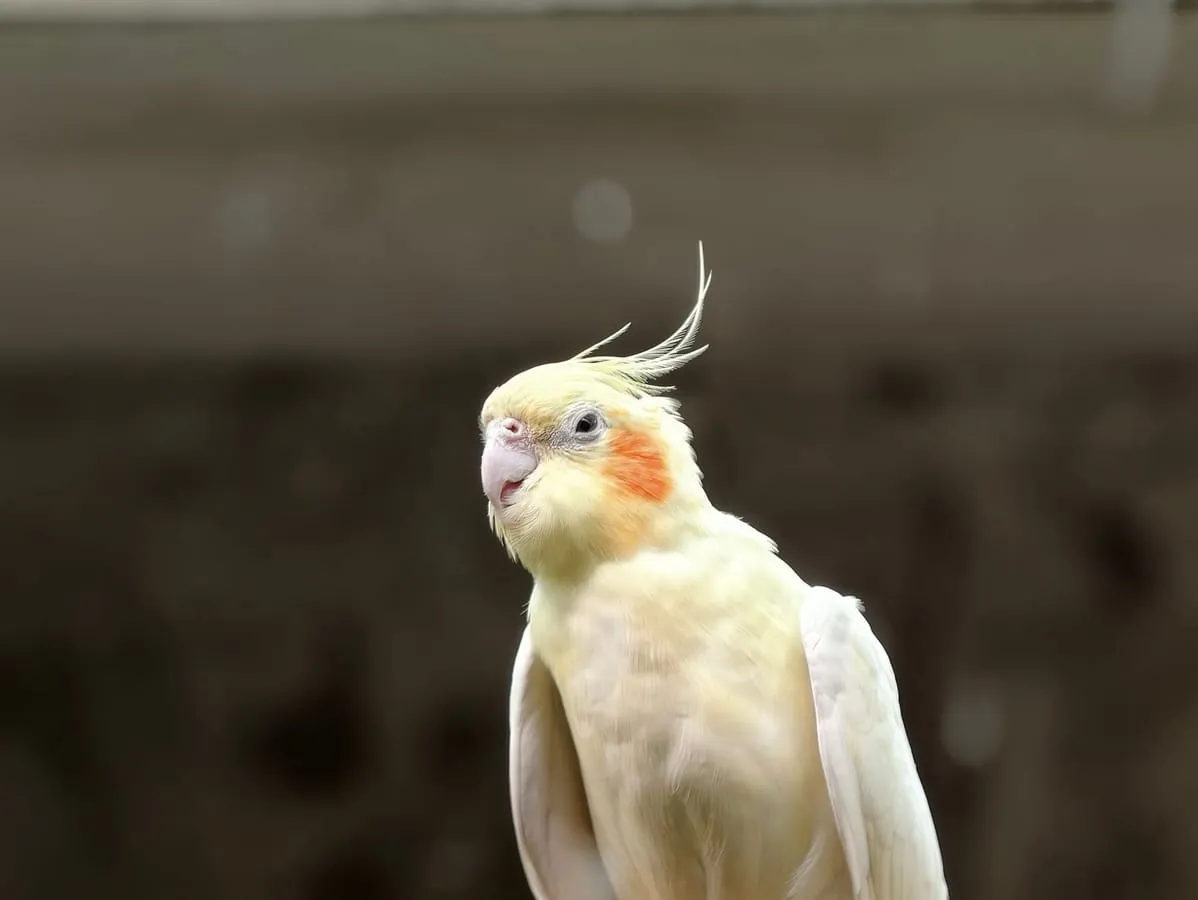
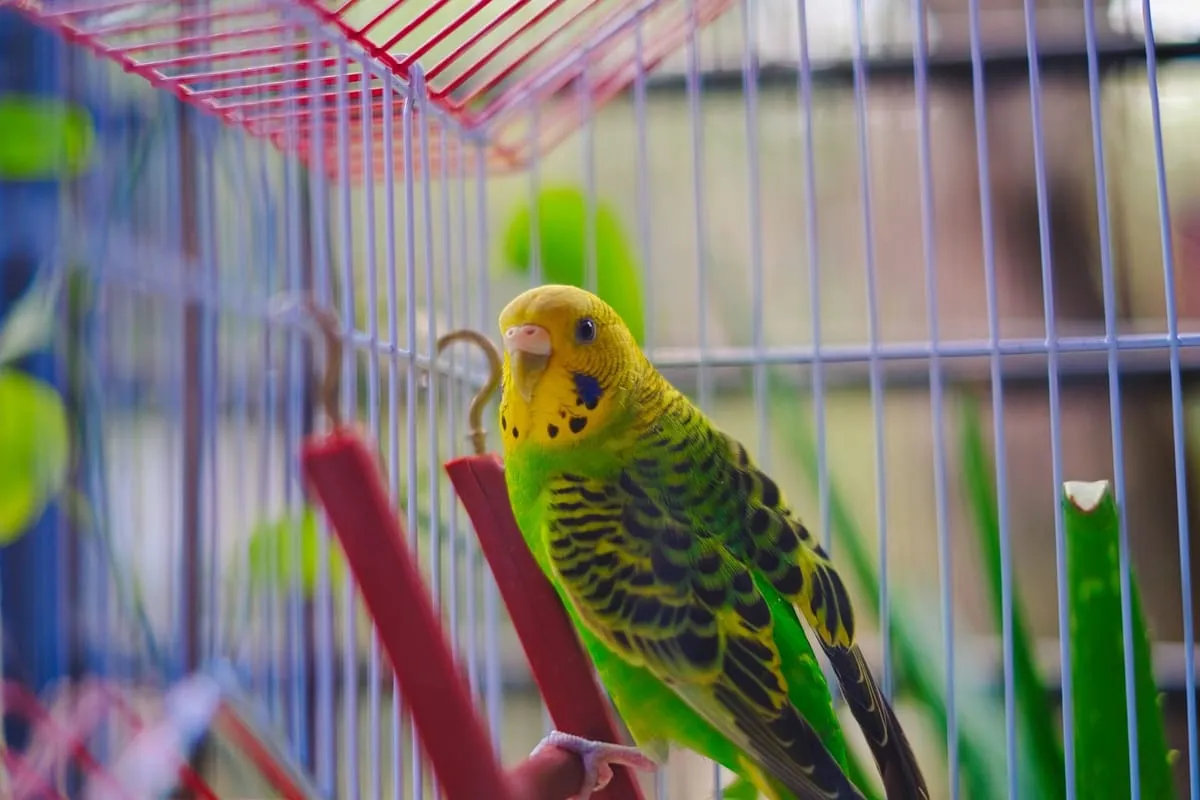
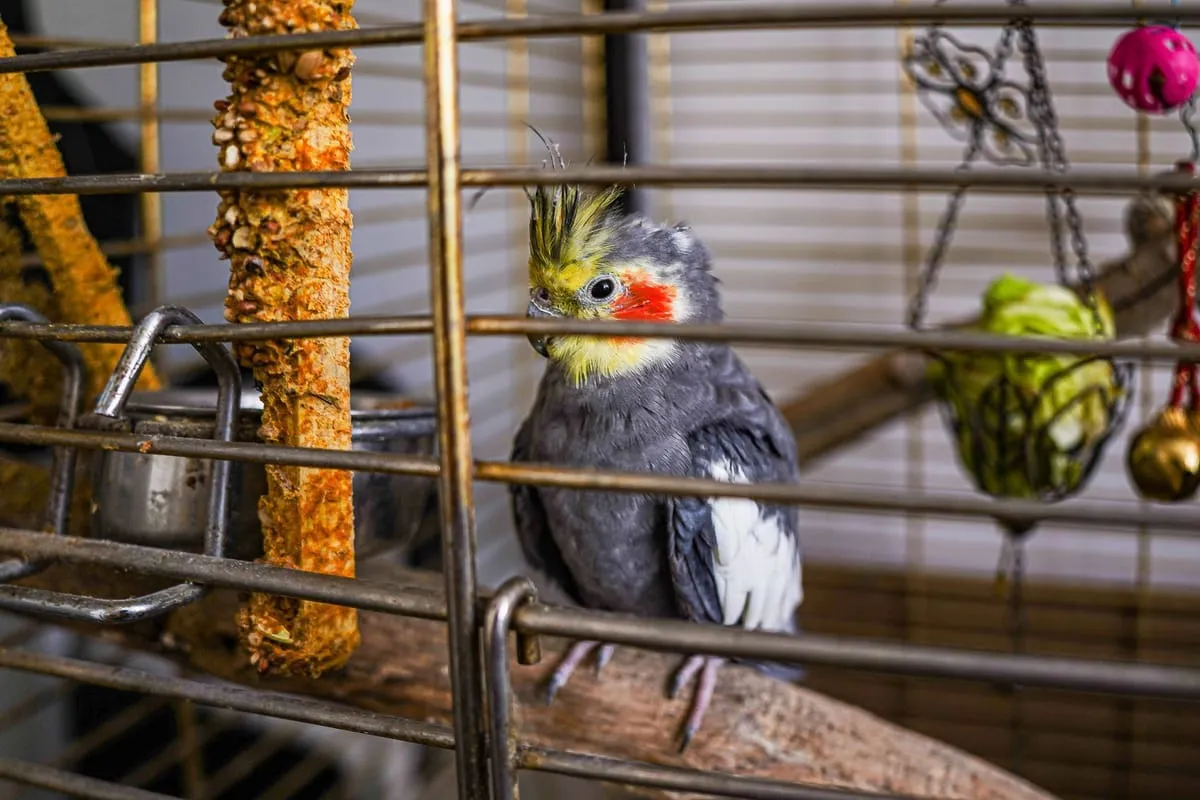
A night fright is sudden, loud and physical. A bird that was silently asleep moments earlier starts flapping violently, throwing itself against the cage bars, perches and toys, often screaming at the same time. It can go on for anywhere from a few seconds to a full minute or more before the bird either wears itself out or a light comes on and it gets its bearings. Cockatiels are the species most strongly associated with this, though budgies and other parrots can have them too, and some individual birds have them repeatedly while cage mates in the same room sleep through the same trigger undisturbed.
What sets one off
Almost anything that startles a bird in the dark can trigger a fright, and the common thread is a bird waking suddenly with no visual information to work out what happened. A shadow sweeping across the wall from a car’s headlights or someone walking past with a torch is one of the most common triggers, since a moving shadow in an otherwise still, dark room reads as a real threat. A sudden loud noise, a storm, fireworks, another pet brushing against the cage, a door slamming, or a moth or cockroach crawling across the bars can all do it too. A cage kept in a busy hallway, near a window with passing headlights, or in a room another pet has access to overnight is set up for far more frights than one in a quiet, low-traffic spot.
Why it is more than just a scare
The panic itself is the smaller problem, what a panicking bird does to itself in a cage full of hard surfaces is the real risk. Broken blood feathers, which bleed heavily because the feather shaft is still supplied with blood while it is growing in, are one of the most common injuries, along with wrenched or sprained wings, split beaks, and bruised or cut feet from hitting bars and perches at speed. Rarely, a severe or repeated fright can be genuinely dangerous, especially in an older or unwell bird. An occasional fright after a genuine one-off event, like an unexpected thunderstorm, is not something to panic about. A bird having them repeatedly on ordinary nights is telling you something about where the cage sits or what is disturbing it, and that is worth fixing rather than treating each episode as bad luck.
A dim night light beats total blackout for a fright-prone bird
It seems logical that a fully dark room should mean a calmer, better-rested bird, and for most birds a properly covered cage does exactly that, which is why a breathable blackout cage cover is genuinely one of the better things you can do for a bird’s sleep length and quality. But a bird with a history of night frights is the exception. In total darkness, a startled bird cannot see the bars, perches or toys it is about to collide with, so the same fright causes worse injuries than it would with even a little ambient light to navigate by. For a fright-prone bird, a small, dim night light left on somewhere in the room, not shining directly into the cage, usually works better than a fully blacked-out setup. It will not stop the startle itself, but it gives the bird enough to see by if one happens, which is where most of the real damage is prevented.
What to do in the moment
Turn on a dim, nearby light calmly rather than flooding the room with the main overhead light, which can startle an already-panicked bird further. Do not reach into the cage straight away, let the bird settle for a minute with the light on first. Once it has calmed down, check it over gently for bleeding, a limb held awkwardly, or laboured breathing. Talking in a low, steady voice while you do this helps more than staying silent, since a familiar voice is one of the fastest ways to tell a bird the immediate danger has passed.
Beyond the practical fixes, a bird that has just been badly frightened benefits from the same patient, low-pressure rebuilding of trust covered in how to get your bird to trust you, since a single bad fright can make a previously confident bird jumpier around handling for a while afterward.
Common questions
- What causes night frights in birds?
- Almost anything that startles a sleeping bird in the dark can trigger one, a shadow sweeping across the wall from car headlights or a passing torch, a sudden loud noise, a storm, another pet brushing past the cage, or a moth or cockroach crawling on the bars. Because the room is dark, the bird cannot immediately see what caused the fright or where it is relative to the cage, so it thrashes rather than simply reacting and settling.
- Are cockatiels really more prone to night frights than other birds?
- Yes, cockatiels are the species most associated with night frights and seem to have a stronger startle response than many other companion birds, though budgies and other parrots can have them too. Nobody knows the full reason, but it is common enough in cockatiels that many avian vets and breeders treat it as close to a breed trait to plan around rather than a one-off oddity.
- Should I leave a light on for my bird at night?
- For a bird with a history of night frights, yes, a small, dim night light in the room is usually better than total blackout. It will not stop a startle happening, but it means the bird can see the cage bars and perches well enough to avoid crashing blindly during one, which is where most of the injuries happen. A bird with no history of frights that sleeps soundly under a full blackout cover does not need this changed.
- My bird's feather is bleeding after a fright, what do I do?
- A broken blood feather bleeds more than owners expect and can look alarming, but it is usually manageable at home. Apply gentle, steady pressure with a clean cloth or a pinch of cornstarch or styptic powder for a minute or two, and keep the bird calm and warm while you do it. If the bleeding will not stop after several minutes of firm pressure, the bird seems weak or distressed, or you suspect a wing or leg injury rather than just the feather, that needs an avian vet the same day.