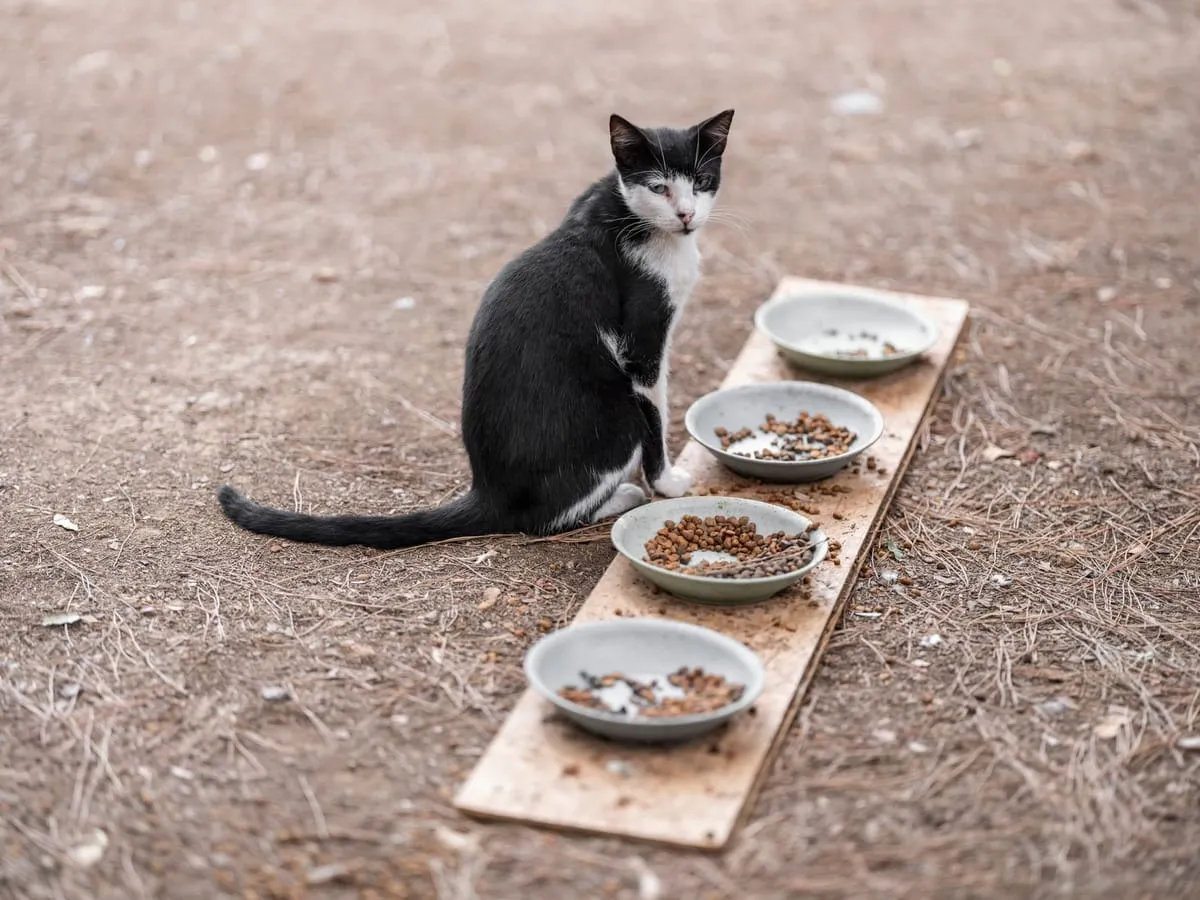
A cat walking away from a full bowl gets noticed fast, because most cats treat mealtimes as a fairly reliable part of the day. It is tempting to treat it the way you would a dog that skips dinner, wait a day or two and see. Cats do not have that luxury. Their bodies are built to eat little and often, and going without food for even a short stretch can tip a healthy cat into a genuine medical problem faster than most owners realize.
Why cats cannot just skip meals the way dogs can
A dog that stops eating for a day is usually fine drawing on body fat for energy in the meantime. A cat’s liver is not built to do that safely. When a cat stops eating, especially one carrying extra weight, its body starts mobilizing fat reserves for fuel, and in a cat that fat gets shunted to the liver faster than the liver can process it. The result is hepatic lipidosis, sometimes called fatty liver disease, where the liver becomes so overloaded with fat that it starts failing. It is one of the most common serious liver diseases in cats, and it can start after as little as 24 to 48 hours of eating nothing at all.
This is the single biggest reason “just wait and see” is worse advice for cats than it is for dogs. A cat that has eaten genuinely nothing, not just less than usual, for a full day deserves a call to your vet, not a few more days of watching.
What one off day usually looks like
Not eating is not the same as eating a little less. A cat that finishes half its usual portion, or turns its nose up at one particular food but would clearly eat something else, is showing pickiness, not a medical loss of appetite. Heat, a recent stressful event like a vet visit or a new animal in the house, or simple boredom with a food it has eaten daily for months can all take the edge off interest for a meal or two.
The useful distinction is total refusal versus reduced interest. A cat that is still eating something, still drinking, still using the litter tray normally, and still seeking you out is a different situation than one that has not touched food, water, or anything else for a full day.
What turns it from an off day into a real problem
Appetite loss earns urgent attention once it comes with other changes. Watch for vomiting, diarrhea, hiding more than usual, drinking noticeably more or less, or a cat that seems withdrawn rather than simply choosy about its dinner. Sneezing or nasal congestion can put a cat off food purely because it cannot smell it properly, which our guide to why your cat is sneezing so much covers in more detail. Dental pain is another quiet cause, since a sore mouth makes crunching kibble unpleasant enough to avoid, and it is worth checking against why your cat has bad breath if the timing lines up.
Older cats deserve particular attention here. Reduced appetite in a senior cat is more often tied to an underlying condition, kidney disease, hyperthyroidism, or dental disease among them, than it is in a young cat. Our guides to signs of kidney disease in cats and signs of hyperthyroidism in cats cover the wider pattern of symptoms worth checking against a cat that has gone off food.
What to do while you wait and see
For a cat that is bright, drinking, and using the litter tray but has eaten less than usual for one meal, offer the next meal as normal rather than immediately switching foods. Keep fresh water available and note whether drinking has changed too, since a cat that has also stopped drinking is in a more urgent situation than one simply picking at food. Write down exactly when the refusal started, since “since yesterday morning” versus “the last three days” changes how a vet will approach it.
Do not let a full day pass with a cat eating nothing at all before deciding it is worth a call. That threshold matters more for cats than almost any other symptom on this site, because the risk of hepatic lipidosis climbs the longer true fasting continues, and it can become a serious illness in its own right on top of whatever caused the original appetite loss.
When to call the vet
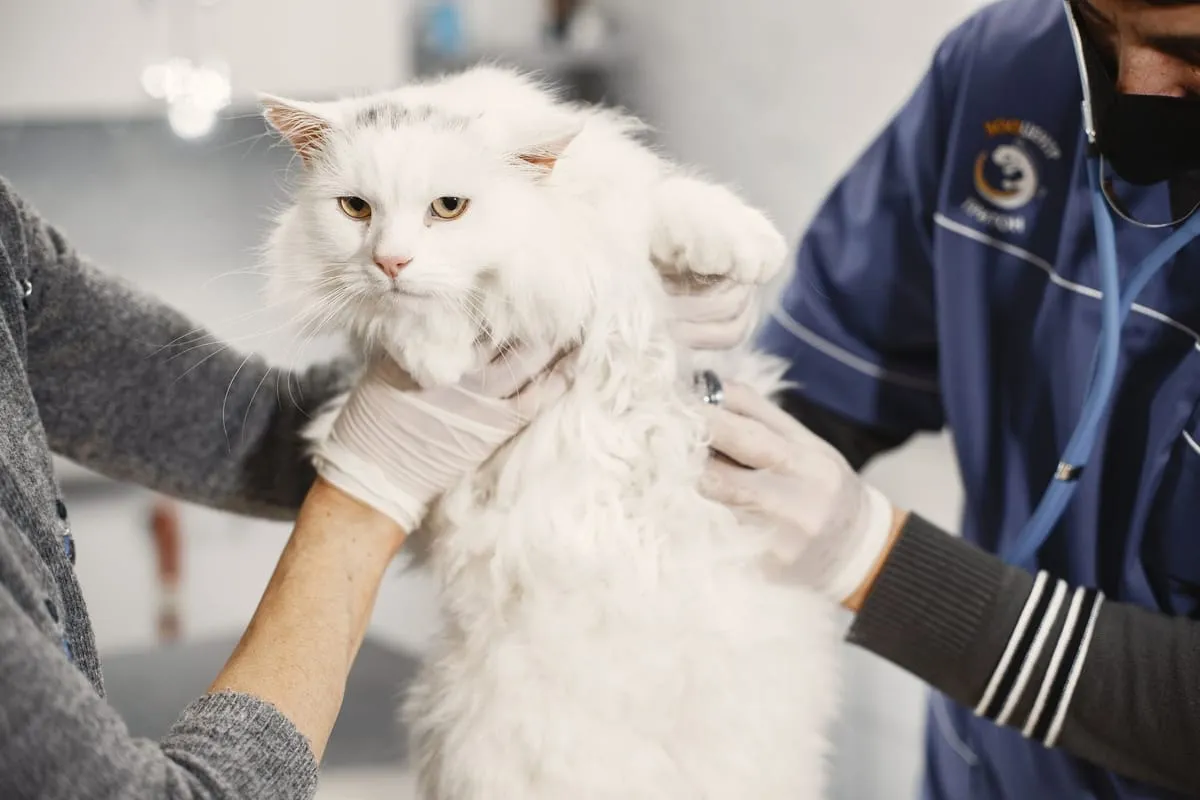
Call the same day if a cat has eaten nothing at all for 24 hours, sooner still if the cat is overweight, a kitten, a senior, or has an existing condition like diabetes or kidney disease. Call immediately if not eating comes with vomiting, diarrhea, lethargy, hiding, or your cat seeming genuinely unwell rather than just uninterested in the bowl. Outside of a cat that is still eating something and otherwise acting normally, a full day of true food refusal is the line where watching stops being the right call.
Common questions
- How long can a cat go without eating before it is dangerous?
- Much less time than most owners expect. A cat that has eaten nothing at all for 24 to 48 hours, especially an overweight cat, is at real risk of hepatic lipidosis, a serious liver condition triggered by the cat's own body fat flooding the liver once it starts using fat reserves for energy. This is not the same "wait a couple of days and see" window that applies to dogs.
- Is it normal for a cat to skip one meal?
- Yes, a cat that turns down one meal but is bright, drinking normally, and interested in you is often just being fussy about that particular food, or slightly off from heat or a routine change. Offer the next meal as normal and watch. The concern is a cat that goes a full day eating nothing at all, not one that ate less than usual.
- Why does an overweight cat need faster action than a lean cat?
- Overweight and obese cats carry far more fat for the liver to try to process when they stop eating, which makes them the highest-risk group for hepatic lipidosis. A heavier cat that stops eating completely should be seen sooner, within a day, rather than given the benefit of the doubt for 48 hours.
- Should I switch foods or add something tasty to tempt my cat to eat?
- A small amount of something your cat already likes, warmed slightly to release more smell, is reasonable to try once. Avoid repeatedly switching brands or flavors to chase interest, since that can teach a cat to hold out for something better and turns a short-term appetite dip into a long-term fussy-eating habit. If nothing tempts your cat within a day, that itself is information for your vet, not a reason to keep trying new foods.