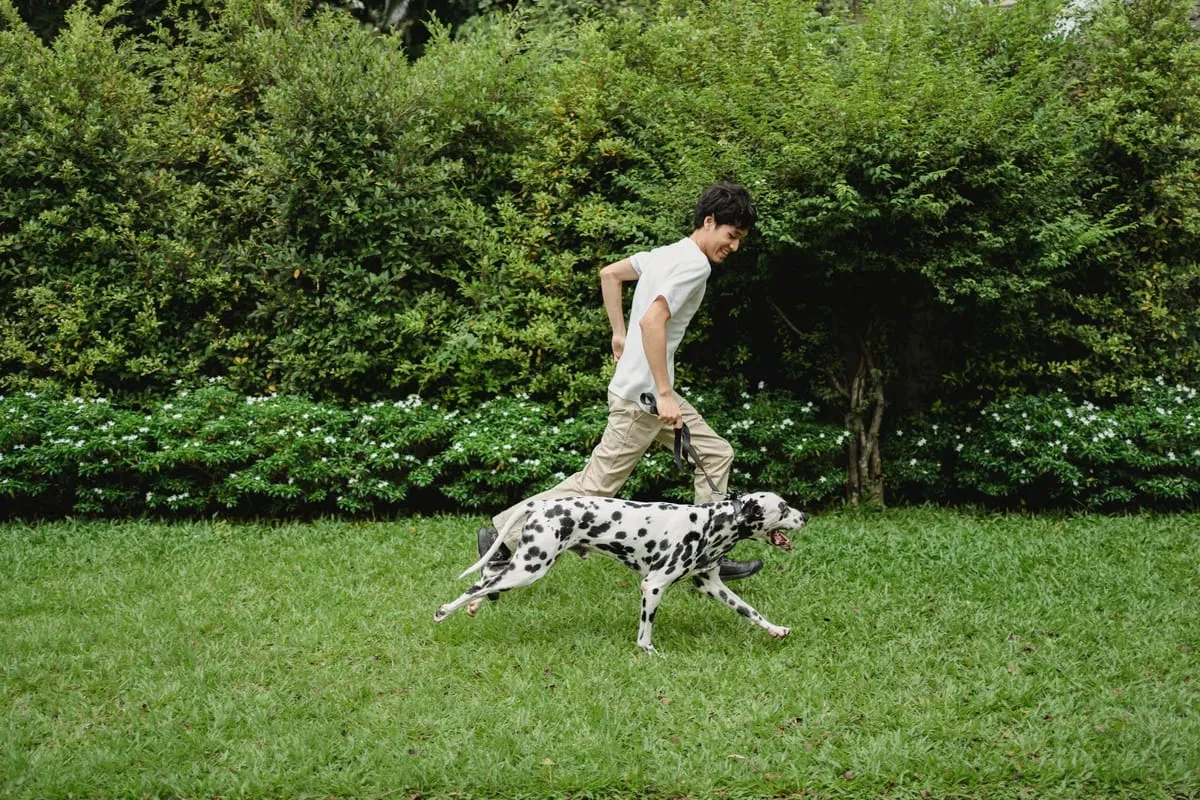
Say “Rottweiler” and most people picture a guard dog first and an actual dog second. That reputation does real damage, both to the breed and to the people who buy one expecting either an automatic threat or an automatic protector, instead of the large, powerful, genuinely trainable working dog that is actually standing in front of them. The size is not a myth, though, and neither is a health picture that deserves more honesty than most breed write-ups give it. Here is what living with a Rottweiler actually involves.
What the breed was bred to do
Rottweilers descend from droving dogs that worked cattle markets in and around the German town of Rottweil, driving livestock and later pulling carts loaded with butchers’ meat and money, a job that earned them the old nickname “Rottweil butcher’s dog”. That history explains almost everything about the modern breed: a dog bred to move heavy animals and defend a cart full of a butcher’s earnings needed to be strong, confident, and naturally watchful of strangers, not eager to please a stranger the way a retriever bred for hunting partnership was.
Today’s Rottweiler still carries that working temperament even in a dog that will never see a cattle market, which is why this is a breed that needs a job, real training, and an owner who understands what “watchful of strangers” actually looks like day to day, rather than one who bought the reputation without the dog that comes attached to it.
Size and strength, and what that actually demands
A male Rottweiler typically reaches 110 to 130 pounds, females somewhat less, on a dense, muscular frame built for pulling and driving rather than speed. That is the single biggest thing to plan around, because a mistake in training or handling that is merely annoying in a 20 pound dog, jumping up, pulling hard on the lead, not coming back when called, becomes genuinely unsafe in a dog this size and this strong.
Daily exercise needs are moderate rather than extreme, a decent walk plus some structured activity most days keeps a Rottweiler content, this is not a breed that demands the hours a working sled dog does. What it does need is mental engagement: obedience work, tracking, carting, or a proper job of some kind, since a bored, understimulated Rottweiler tends to express that through destructiveness or an even sharper edge toward strangers, not just restlessness.
Training and the socialization window that actually matters
A Rottweiler is intelligent and genuinely trainable, often eager to work once it trusts its owner, but this is a breed where the early socialization window, roughly the first three to four months of a puppy’s life, carries more weight than it does for a naturally easygoing breed. A Rottweiler puppy that meets a wide range of calm, well-managed people, dogs, sounds and situations before that window closes tends to grow into a confident adult that reads normal situations as normal. One that does not tends to default to suspicion, and a suspicious 120 pound adult dog is a much harder problem to solve than a suspicious puppy.
Training should be consistent, confident, and reward-based rather than confrontational, Rottweilers respond badly and sometimes dangerously to the old-fashioned dominance-based handling some owners still reach for with a “tough” breed, since that approach tends to teach the dog that people are a threat to react to rather than a source of clear, fair direction. Socializing a puppy properly from the day it comes home, alongside basic obedience early and consistently, is not optional groundwork with this breed the way it might be a lower-stakes add-on with a smaller, softer-natured dog.
The growth-plate years, easy to get wrong
Large and giant breeds like the Rottweiler grow fast, and that speed is exactly what makes the puppy stage a genuine risk window for the joints they will rely on for the next decade.
Health issues worth knowing before you commit
Hip and elbow dysplasia show up often enough in the breed that a reputable breeder will have hip and elbow scores for a puppy’s parents, and it is worth asking to see them rather than taking a breeder’s word for it. If you already have an adult Rottweiler showing stiffness, joint supplements and the approach covered in helping a dog with arthritis are worth discussing with your vet.
The harder conversation is cancer. Rottweilers carry a disproportionately high rate of osteosarcoma, an aggressive bone cancer that most often shows up as unexplained limping or swelling in a limb in middle-aged dogs, and it is a major reason average lifespan for the breed sits around 8 to 10 years, shorter than many dogs of a similar size. This is not a reason to avoid the breed outright, but it is the kind of fact a prospective owner deserves to know upfront rather than discovering it from a vet years into a dog’s life.
The breed’s deep chest also carries a real risk of bloat, a genuine emergency, so it is worth knowing the warning signs before you ever need them, along with some inherited heart conditions including subvalvular aortic stenosis that a good breeder should be screening breeding dogs for.
Before you commit
Beyond the dog itself, a Rottweiler comes with practical considerations a smaller or less-watched breed does not. Check your local laws and your home insurance or tenancy agreement specifically, since breed-specific legislation and insurance exclusions affect this breed in parts of the UK, several US cities and counties, and elsewhere, and finding out after you have fallen for a puppy is a genuinely painful way to learn it. Secure fencing matters for any strong dog, and factor the real cost of ownership honestly, a large breed eats more, needs larger everything, and its health issues, when they come, tend to come with a large-breed vet bill attached.
Who a Rottweiler actually suits
This breed suits an owner with real experience handling a large, strong dog, the time and commitment for genuine early socialization and consistent training, secure space, and a household where visiting the vet regularly for joint and heart screening is part of the plan rather than an afterthought. Read through choosing the right dog for your life honestly before you commit to any working breed this size.
It is a poor match for a first-time dog owner, anyone hoping size and reputation alone will do the training for them, or a household unwilling to check the legal and insurance picture first. Get the socialization, training, and joint care right, and a Rottweiler is a loyal, capable, genuinely rewarding dog to live with, closer to the confident working animal it was bred to be than the reputation that follows it around.
Common questions
- Are Rottweilers naturally aggressive?
- No, temperament in this breed comes down overwhelmingly to genetics from the parents, early socialization, and how the owner trains and handles the dog, not something fixed at birth. A Rottweiler is naturally confident, watchful of strangers, and protective of its family, which is different from aggressive. Poorly bred, under-socialized, or roughly handled Rottweilers can become genuinely dangerous because of their size and strength, which is exactly why this is a breed where getting the early work right matters more than with a smaller dog that makes the same mistakes forgivable.
- Are Rottweilers good with kids?
- Well-bred, well-socialized Rottweilers are often excellent with the children in their own family, patient and protective. The size is the real factor to plan around rather than temperament alone, a boisterous 100 pound dog can knock a small child over without any intent to harm, and a Rottweiler puppy's mouthing and body-slamming play needs the same early training any large breed puppy gets. Supervise young kids with any dog this size, and be honest that visiting children or a chaotic playdate are harder for a protective breed to read than they are for a more easygoing one.
- Are Rottweilers banned anywhere?
- Yes, in places. Rottweilers appear on breed-specific legislation lists in parts of the UK, some US cities and counties, and several other countries, and many home insurance and rental policies restrict or exclude the breed even where it is not legally banned. This varies enormously by location and changes over time, so check your specific city, county, and any insurance or tenancy agreement before committing, rather than assuming a breed this common is automatically fine everywhere.
- What health problems are Rottweilers prone to?
- Hip and elbow dysplasia are common enough that reputable breeders screen for both before breeding a dog at all. The breed also carries a disproportionately high rate of osteosarcoma, an aggressive bone cancer, along with a real risk of bloat given their deep chest, and some inherited heart conditions including subvalvular aortic stenosis. Average lifespan sits around 8 to 10 years, shorter than many breeds of a similar size, largely because of the cancer risk.