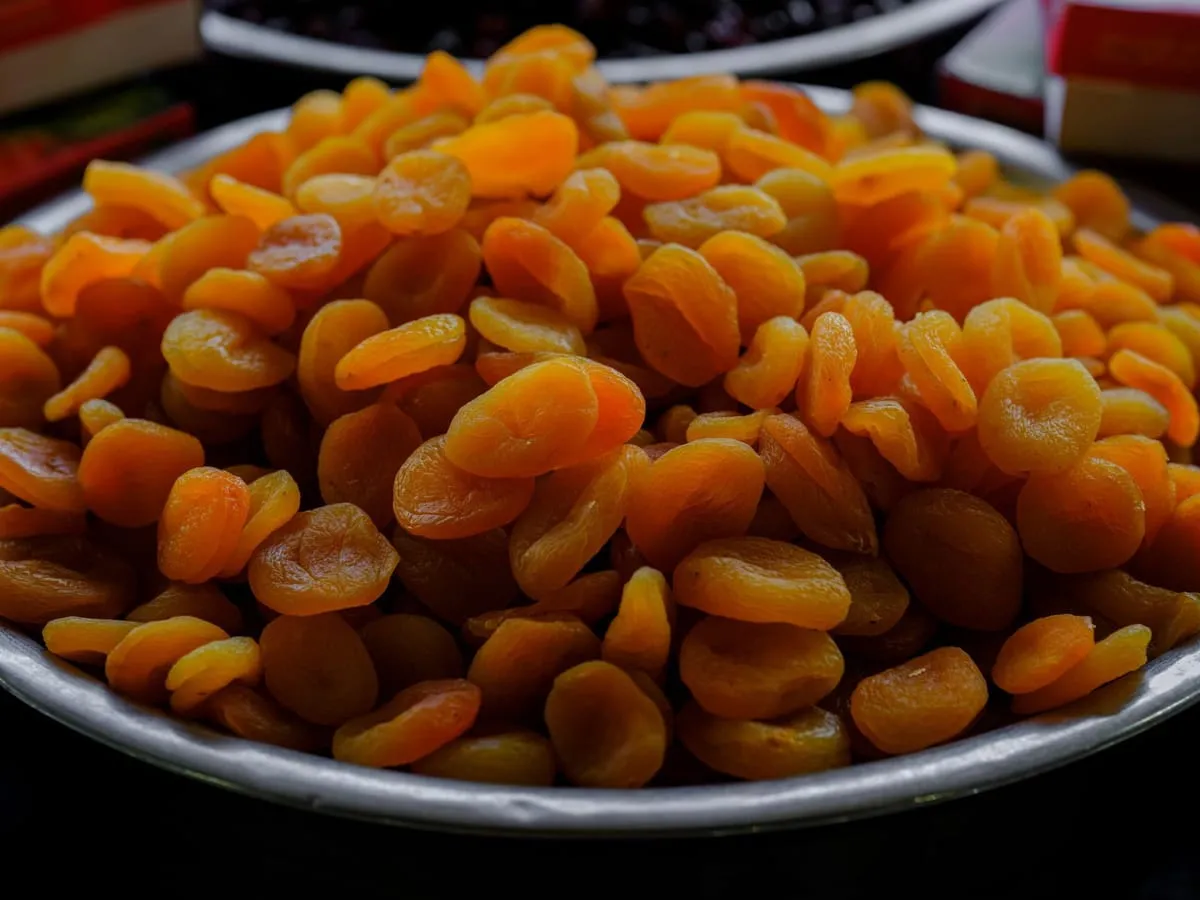
One dried apricot is rarely an emergency for a dog of normal size, because the fruit itself does not carry the toxin that makes grapes and raisins dangerous. The bigger risks sit in the detail: whether the piece still had its stone, whether it came from a sulphured snack pack rather than plain fruit, and how much your particular dog actually got through.
That gap between “fine” and “needs a vet call” trips a lot of owners up, mostly because dried apricots get lumped in with raisins in people’s heads. They are not the same problem, but they are not completely harmless either.
Why dried apricots are not the same risk as raisins
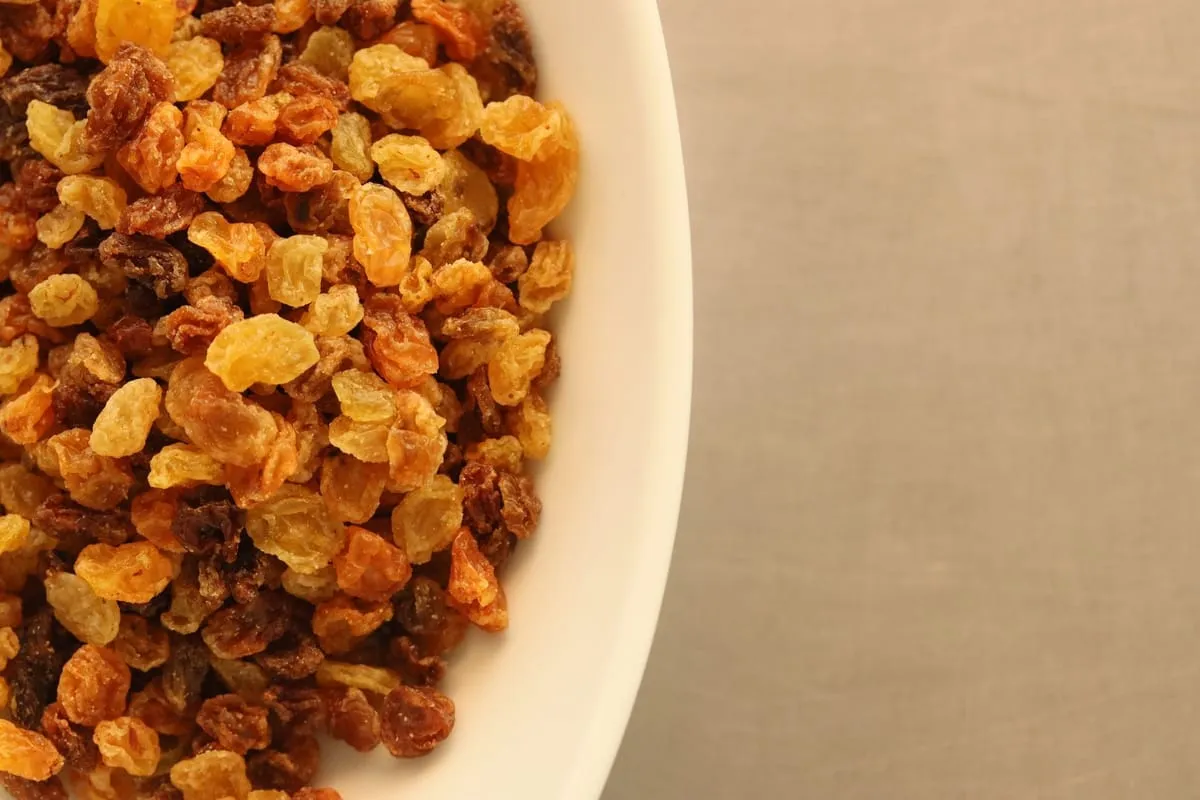
Grapes and raisins contain a compound that can cause sudden kidney failure in dogs at surprisingly low doses, which is why every dog food safety list treats them as an absolute no. Apricot flesh does not carry that same toxin. A dog that eats a plain, pitted piece of dried apricot is dealing with a concentrated sugary treat, not a poisoning risk.
That does not make dried apricot a food worth offering on purpose. Dried fruit is calorie-dense and sticky-sweet compared to the fresh version, and a dog with a sensitive stomach or a tendency toward pancreatitis can react to the sugar and fibre load even when nothing toxic is involved.
How many is too many, by dog size
There is no official cutoff, because nobody has run a safe-dose study on dried apricot for dogs the way they have for genuinely toxic foods. As a working guide: one or two plain pieces stolen by a medium or large dog is usually a non-event you just watch. A small dog that worked through several pieces, or any dog that got into a whole snack pack, has eaten enough sugar and fibre to realistically cause a sore stomach, and deserves closer watching over the next 24 hours.
If your dog ate dried apricots from a trail mix rather than a plain bag, treat it more seriously. Raisins or sultanas are a common trail-mix ingredient, and if any were mixed in alongside the apricot, that changes the situation completely. Call your vet and tell them exactly what was in the bag.
The pit and the sulphite problem
Two things in a typical snack pack matter more than the apricot flesh itself.
The stone. Whole or halved dried apricots sometimes still have the pit in, and that pit is a real choking and bowel obstruction risk in a dog of any size, on top of containing compounds that release cyanide when cracked open and chewed. If you are not certain every piece your dog ate was pitted, that is the detail to check first.
Sulphur dioxide. Most commercial dried apricots are treated with sulphites to keep that bright orange colour, listed on the pack as sulphur dioxide or E220. It is approved for human food in small amounts, but dogs are more sensitive to it than people, and a dog that eats a large handful from a sulphured pack can get a worse stomach reaction than the sugar alone would cause. Unsulphured dried apricots, the duller brown ones sold in health food shops, skip this problem entirely.
What to do in the first hour
Work out three things before you decide how worried to be: roughly how many pieces, whether any pits were involved, and whether the pack contained anything else such as raisins, chocolate-coated fruit or nuts. Keep the packaging if you still have it, since the ingredients list is the fastest way to answer your vet’s questions if you do need to call.
For one or two plain, pitted pieces eaten by a dog that is not tiny, watching at home is usually enough. Offer fresh water, skip the next treat, and keep an eye on their stools and energy over the rest of the day.
Most dried apricot incidents end up being a sugary stomach upset at worst, settling on their own within a day. The detail that actually decides how seriously to take it is what else was in the bag, not the apricot itself.
Related questions
Common questions
- Can dogs eat dried apricots?
- A small piece of plain, pitted dried apricot is not toxic to dogs the way grapes and raisins are, so one or two accidental pieces are not usually cause for alarm. It is still a sugary, calorie-dense treat rather than a food to offer on purpose, and the trail-mix packs most owners actually grab often carry pits, sulphite preservatives or added sugar that plain apricot flesh does not.
- My dog ate dried apricots, what do I do?
- Work out roughly how many and whether any had stones still in, then watch your dog rather than panicking over one or two pieces from a plain pack. Offer water, skip the next treat or meal topper, and keep an eye out for vomiting, loose stools or straining over the following day, which is the usual pattern if the amount was enough to upset the stomach.
- How many dried apricots are dangerous for a dog?
- There is no official safe number, because it depends on the dog's size, what else was in the pack, and whether pits were involved. As a rough guide, a small dog that has eaten a handful from a sulphured trail-mix bag, or any dog that has swallowed a whole pit, is a different situation to a large dog that stole one plain piece, and the first deserves a call to your vet rather than a wait-and-see approach.
- Can dogs eat the apricot pit?
- No. The stone is a genuine choking and intestinal blockage risk regardless of size, and apricot kernels also contain compounds that release cyanide when chewed, so a swallowed or cracked pit is a reason to ring your vet straight away rather than wait for symptoms.