A dog that suddenly cannot get enough water, needs letting out constantly, and is somehow losing weight despite a good appetite is showing the textbook pattern of canine diabetes. It is one of the more common hormonal diseases vets diagnose in dogs, and it behaves differently enough from the same disease in cats that the two are worth telling apart. Here is what actually shows up, why a dog’s eyes are often the giveaway, and what treatment realistically looks like.
What diabetes does inside a dog’s body
Diabetes means a dog’s body cannot get glucose out of the blood and into its cells for fuel, almost always because the pancreas has stopped producing enough insulin. That is a meaningful difference from cats, where the more common pattern resembles type 2 diabetes and some tissue resistance is often reversible. In dogs, diabetes behaves much more like type 1: by the time signs appear, the pancreas usually has little functional insulin production left. The glucose that should be fuelling the body instead builds up in the blood and spills into the urine, dragging water out with it, which explains almost everything on this list, from the thirst to the weight loss to the eventual risk of a genuine emergency if it goes uncaught.
The early signs: drinking, urinating, and eating more but losing weight
The combination that gives diabetes away is a dog drinking and urinating far more than normal while its weight drops, even though its appetite is normal or increased.
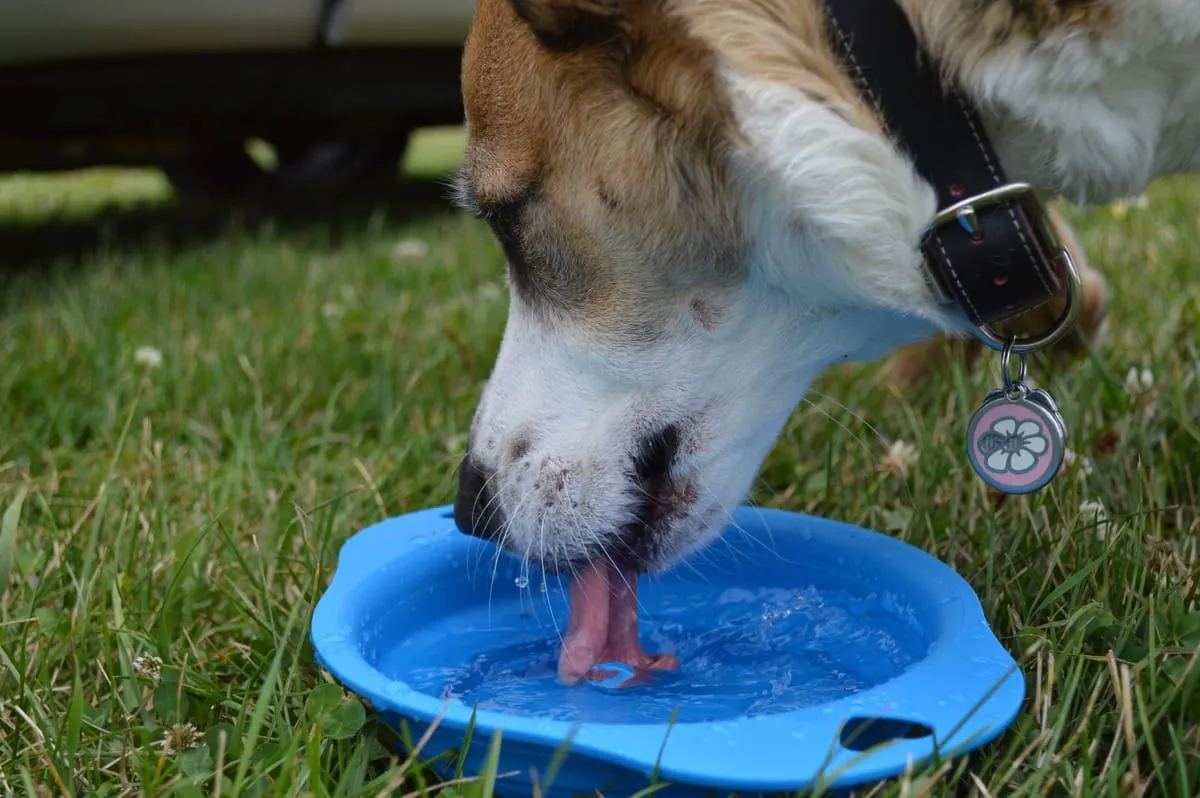
Owners usually notice the water bowl needing refilled more often, more frequent trips outside, accidents in a previously reliable house-trained dog, or a dog waking at night to go out when it never used to. What separates diabetes from a simple dietary issue is the appetite staying good, sometimes ravenous, while the dog visibly loses condition along its ribs and spine. The body is starving at a cellular level even though food is going in, because that food’s glucose cannot reach where it is needed.
Cataracts, the sign that sets dogs apart from cats
If there is one sign that makes canine diabetes different from the same disease in cats, it is the eyes.
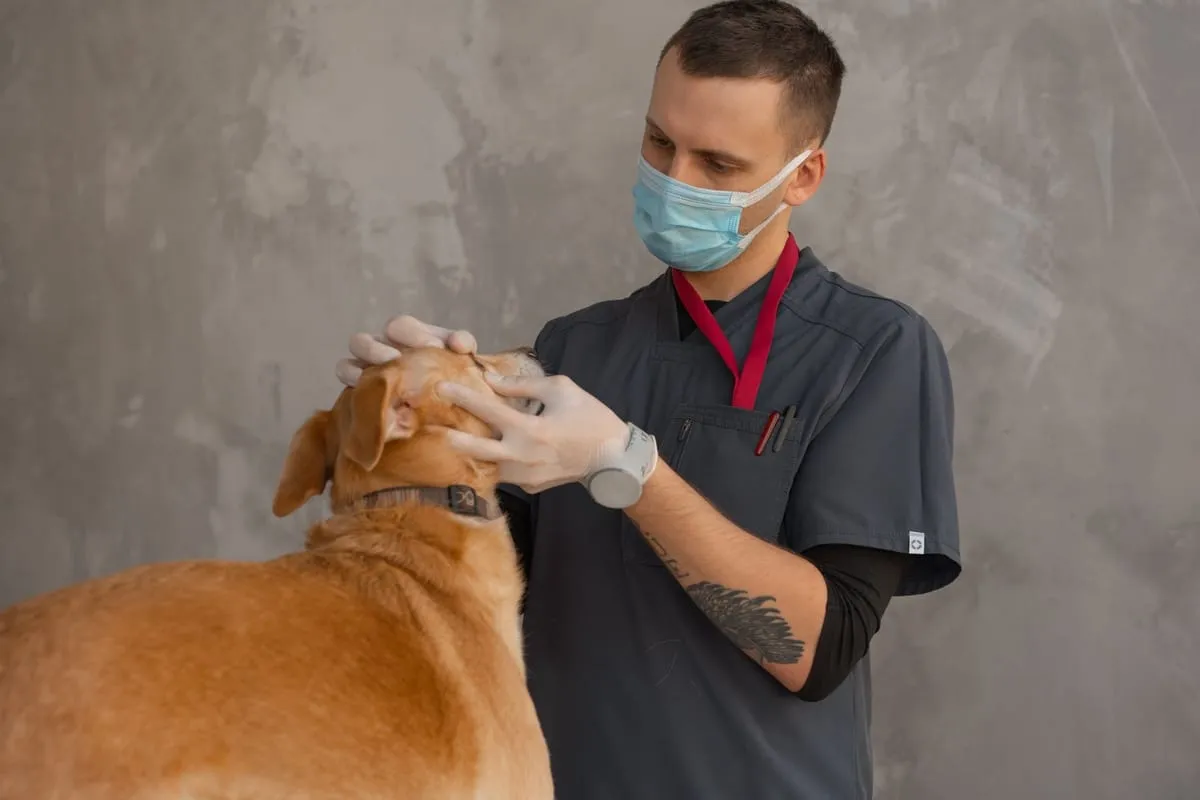
High blood sugar pulls water into the lens through a process called the polyol pathway, and the lens clouds over as a result. It is extremely common in diabetic dogs, and it can move fast, sometimes turning both eyes visibly white or bluish within days to a few weeks of diagnosis. A dog owner who has just started insulin treatment and then watches their dog’s eyes cloud over in the same fortnight is often alarmed, understandably, but this is a known and common part of the disease rather than a sign that treatment has failed. The resulting blindness is permanent unless a vet ophthalmologist removes the cataracts surgically, but dogs cope with vision loss remarkably well in a home they already know, relying on scent, hearing, and memory far more than owners expect.
Signs that show up as it progresses
Left undiagnosed or poorly controlled, the signs move beyond thirst and weight loss into ones that are harder to miss and more urgent to act on.
Recurrent urinary tract infections are common, since sugar-laden urine is an easy target for bacteria, so a dog with diabetes that also keeps straining to urinate or has cloudy or bloody urine needs that checked rather than assumed to be more of the same disease. A dull, greasy or poorly kept coat, general weakness, and lethargy tend to build alongside the physical signs. An enlarged, sometimes distended-looking abdomen can develop too, related to how the body starts breaking down fat and protein for fuel it cannot get from glucose.
Who is more at risk
Diabetes is not evenly spread across the dog population, and knowing where the risk sits helps explain why it is worth watching for in some dogs more than others.
Overweight dogs carry a higher risk, along with dogs that have had a bout of pancreatitis, since pancreatic inflammation can damage the insulin-producing cells directly. Unspayed female dogs, as covered above, face a hormone-driven risk that neutered males and spayed females do not. Middle-aged and older dogs show up more often in the numbers, and some breeds, including Samoyeds, Miniature Schnauzers, Miniature Poodles, Bichon Frises and Cairn Terriers, are diagnosed more frequently than others. Dogs on long-term steroid medication, and those with Cushing’s disease, also carry extra risk, since both push blood sugar upward in ways that can tip a borderline pancreas over the edge.
What treatment and daily life actually look like
A dog diagnosed with diabetes needs insulin injections, almost always twice a day, given at consistent times alongside a consistent feeding routine, since food timing and insulin timing work together to keep blood sugar in a safe range. Most owners are nervous about giving injections at first and find it far less difficult than expected once a vet nurse has walked them through it, the needles are very fine and dogs generally tolerate them well.
Getting the dose right takes patience. A vet builds a glucose curve, tracking blood sugar across a full day, to find the right starting dose, then rechecks and adjusts over the following weeks. Many vets now recommend owners run some of these curves at home with a veterinary glucose meter calibrated for animal blood rather than a human one, since a dog is more relaxed at home than in a clinic, and it means fewer stressful all-day hospital stays once the routine is established. None of this replaces your vet’s guidance on dosing, but it does make the day-to-day management far more manageable for most families than it sounds at diagnosis.
Common questions
- What are the first signs of diabetes in a dog?
- Drinking noticeably more water, needing to go outside to urinate more often, and larger or more frequent puddles are usually the first things owners notice. Weight loss follows even though the dog is eating the same amount or more, because the glucose from that food cannot get into the body's cells properly. Many owners put the extra thirst down to warm weather or an active week before the weight loss makes it clear something else is going on.
- Why do diabetic dogs get cataracts?
- High blood glucose pulls water into the lens of the eye through a chemical process the lens cannot regulate once sugar levels stay elevated, and the lens clouds over as a result. It is extremely common in dogs, unlike in cats, and can happen astonishingly fast, sometimes within days to a few weeks of diabetes starting. It usually affects both eyes and leads to blindness, though dogs adapt to vision loss far better than most owners expect, especially in a familiar home.
- Can a dog recover from diabetes, or is it lifelong?
- Almost always lifelong. Unlike cats, where a meaningful share of diabetic cats can reach insulin-free remission with early treatment, dogs typically have very little working insulin production left by the time they are diagnosed and need insulin injections for the rest of their life. That is not a reason to feel discouraged, dogs on a consistent insulin and feeding routine generally do very well and live a normal lifespan.
- Is diabetes in dogs an emergency?
- Stable, managed diabetes is not, but undiagnosed or poorly controlled diabetes can tip into diabetic ketoacidosis, which is. Vomiting, marked lethargy, loss of appetite, breathing that looks fast or laboured, or breath with a sweet or acetone-like smell in a dog with known or suspected diabetes needs emergency vet care the same day, not a routine appointment.