Your dog suddenly stands still, extends its neck, and makes a loud, rapid snorting noise, pulling air in through its nose like it is trying to inhale a sneeze. It can look exactly like choking, or the start of a seizure, and most owners panic the first time they see it. In the overwhelming majority of cases this is reverse sneezing, a harmless reflex that looks far worse than it is.
What it actually looks and sounds like
A reverse sneezing episode usually starts with your dog standing still, often with its elbows out and neck stretched forward, then making a series of loud, rapid snorting or honking inhales through the nose. It can last anywhere from a few seconds to around a minute, and your dog is typically alert and otherwise normal looking throughout, not distressed, not collapsing, not struggling to breathe at any other time. Then it stops, your dog shakes its head or swallows, and goes back to whatever it was doing as if nothing happened.
The direction of airflow is the easiest way to tell it apart from a forward sneeze or a cough. A normal sneeze or cough pushes air out. Reverse sneezing pulls air in hard through the nose, which is where the name comes from, and it is this inward snorting sound, not a cough or a gag, that owners usually describe as sounding like choking.
Why it happens
Reverse sneezing is a spasm of the soft palate and throat that briefly narrows the airway, and your dog’s hard, rapid inhale through the nose is its attempt to clear whatever is irritating it. Common triggers include excitement or over-arousal, pulling against a collar, drinking or eating too fast, sudden temperature changes, and ordinary irritants like dust, pollen, a strong perfume, or a whiff of cleaning product. None of these are unusual or something most dogs encounter rarely, which is part of why reverse sneezing in a dog prone to it can happen several times a week.
Small and toy breeds and dogs with shorter noses tend to reverse sneeze more than other dogs, simply because they have proportionally smaller, more crowded airways to begin with. It shows up often in breeds covered in our French Bulldog and Pug guides, where the shortened airway that defines brachycephalic breeds makes the soft palate more prone to this kind of spasm, and in small breeds like the Toy Poodle, where the same crowded airway anatomy that can lead to a collapsing windpipe also makes reverse sneezing more frequent. A dog that is not brachycephalic or small can still reverse sneeze occasionally, it is just less of a regular feature for them.
How it differs from a cough, choking, or a seizure
It is worth knowing the difference because the right response to each is completely different. A cough, including the honking cough of kennel cough, tends to recur over days and is often worse with exercise or excitement in a similar way, but the sound comes from pushing air out, not pulling it in, and a coughing dog does not usually stand stock still with its neck extended the way a reverse sneezing dog does.
Genuine choking involves visible distress, pawing at the mouth, gums turning blue or grey, and a dog that cannot get air at all rather than one snorting loudly but otherwise looking alert. A seizure involves a loss of normal consciousness or control, often with the whole body affected, not just the head and throat, and your dog will not be standing calmly with its elbows out between snorts the way it does during reverse sneezing.
When to actually worry
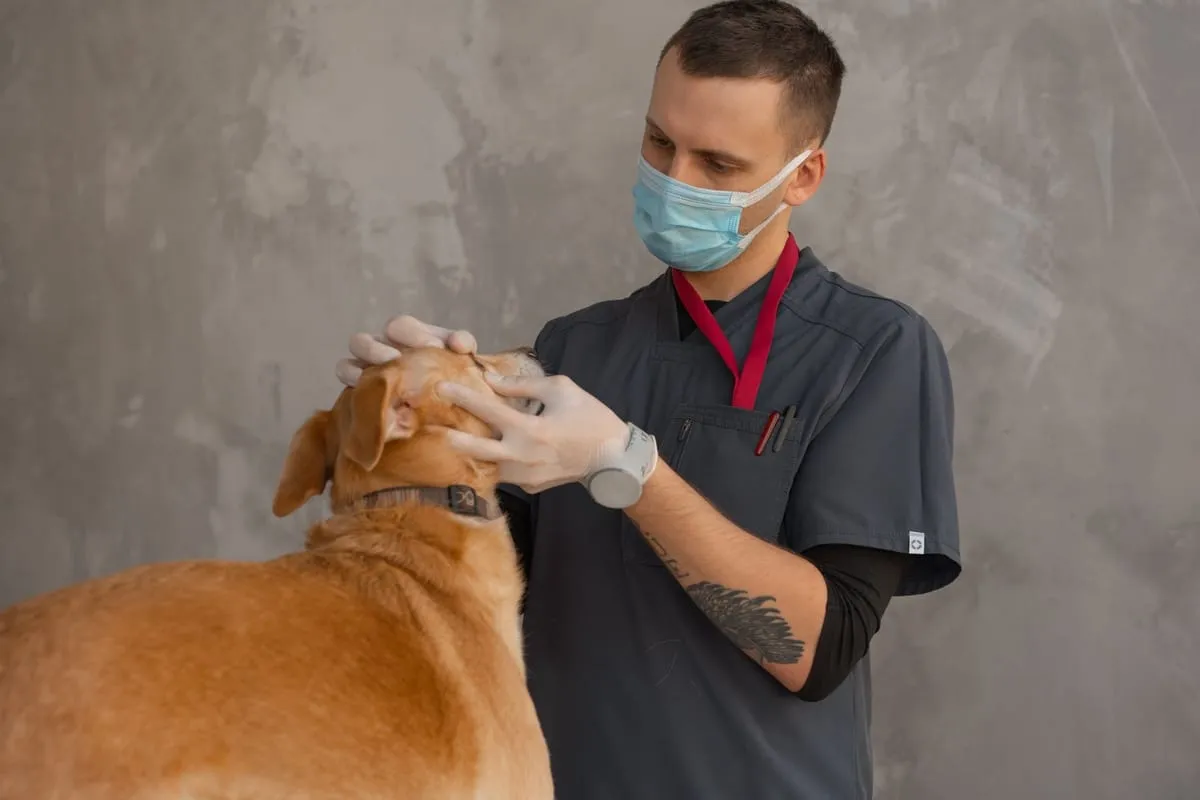
An occasional, brief episode in a dog that is otherwise eating, drinking, and behaving normally is not a reason to call the vet. A pattern of frequent episodes that is getting more frequent over weeks, one-sided nasal discharge, bleeding from the nose, bad breath alongside it, or any episode that does not fully resolve within a minute or two are all reasons to get your dog examined rather than assuming it is “just” reverse sneezing again. Your vet can rule out the handful of things that genuinely do need treating, which reverse sneezing itself does not.
See your vet if episodes are becoming more frequent, lasting longer than usual, or showing up alongside any other symptom at all. Most dogs that reverse sneeze do it their whole lives with nothing more sinister going on, but the pattern itself is what tells you whether that is still true for your dog.
Common questions
- Is reverse sneezing dangerous for dogs?
- Usually no. A classic reverse sneezing episode is unpleasant to watch but resolves on its own within a minute or so and does not cause lasting harm. It becomes worth a vet visit if episodes are happening daily, lasting much longer than usual, or showing up alongside nasal discharge, bleeding, or a change in appetite, since those point to an underlying cause rather than an isolated irritation.
- What is actually happening when a dog reverse sneezes?
- The soft palate and throat spasm, narrowing the airway, and the dog pulls air in hard through the nose to try to clear it, producing the snorting, honking sound. A forward sneeze pushes air out through the nose, a reverse sneeze pulls it in, which is where the name comes from. It is a reflex, not a sign the dog cannot breathe at all.
- Should I try to stop a reverse sneezing episode?
- You can, though it is not strictly necessary. Gently stroking your dog's throat, briefly covering the nostrils for a second to make them swallow, or calmly distracting them can shorten an episode. What does not help is panicking, restraining your dog tightly, or rushing them anywhere, since a calm owner tends to produce a calmer, shorter episode.
- Why does my dog only reverse sneeze when excited or pulling on the lead?
- Excitement and pressure on the throat are two of the most common triggers. Excitement speeds up breathing and can irritate an already sensitive soft palate, and a collar pulling against the trachea during a lead walk can set off an episode directly. Switching to a harness and keeping lead walks calmer are both reasonable things to try if this is a regular pattern for your dog.