If your cavoodle’s paws smell like corn chips or Fritos, the cause is almost always a harmless yeast called Malassezia that lives on every dog’s skin and multiplies faster in warm, damp conditions. Curly coated oodle breeds trap more of that warmth and moisture between their toes than short, flat coated dogs, which is why the smell shows up so often in cavoodles specifically.
It is one of the most common things cavoodle owners notice and worry about, usually right after a walk in wet grass or a bath that did not get the feet properly dry. The good news is that it is almost always manageable with grooming rather than medication, as long as you catch it before it tips into an actual infection.
Why curly paws trap the smell in the first place
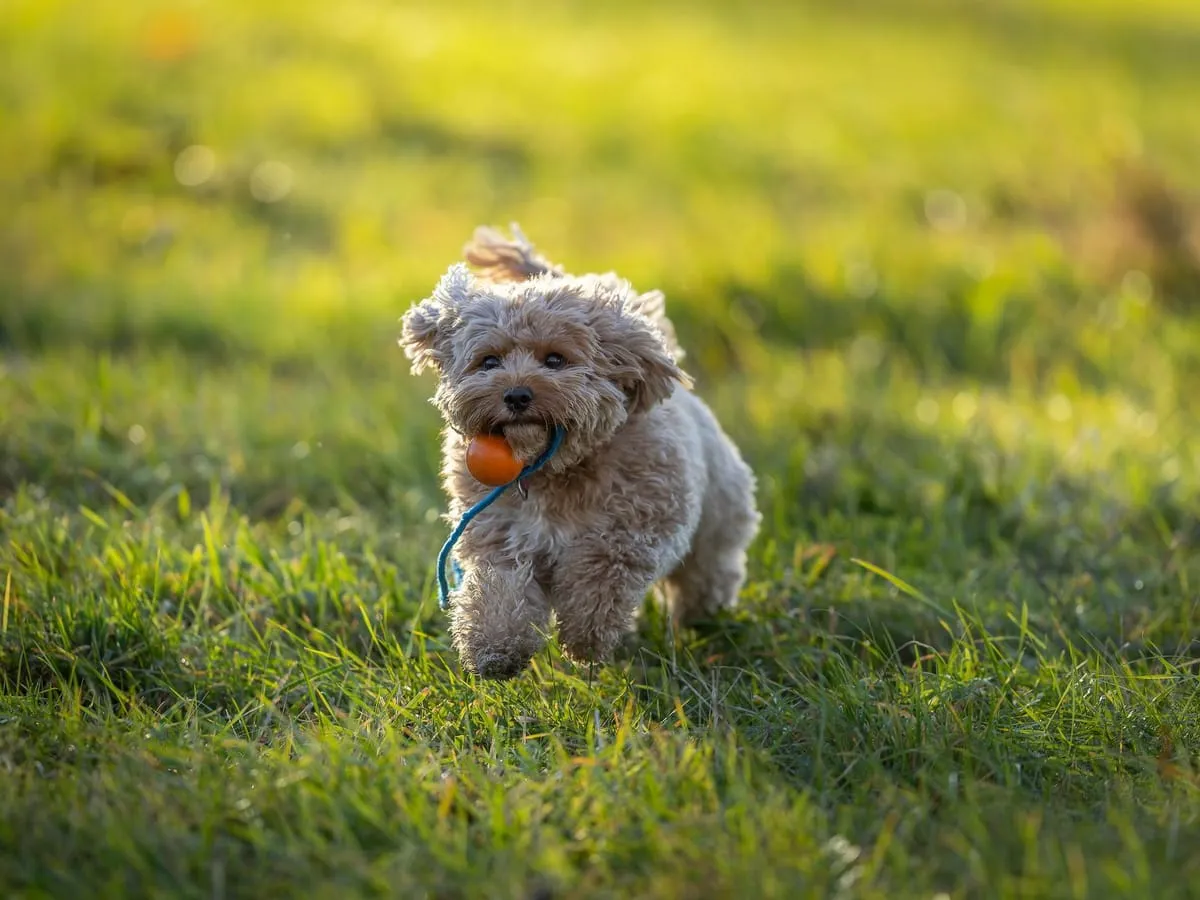
A cavoodle’s coat comes from the poodle side of the cross, and that means dense, curly fur that grows right down around and between the toes rather than lying flat like a Labrador’s or a beagle’s. That fur acts a bit like a sponge: it holds onto water after a walk through wet grass, it traps sweat from the sweat glands dogs have in their paw pads, and it keeps air from moving through to dry the skin out between the pads.
Malassezia yeast is a completely normal resident on every dog’s skin in small, harmless numbers. Give it warmth, moisture and no airflow for long enough, which is exactly what overgrown paw fur provides, and it multiplies past that normal baseline, producing the sweet, musty, corn-chip-like smell that gives the condition its nickname. It is the same yeast behind a lot of general dog odor, covered in more depth here, but oodle paws are a specific hotspot because of how much fur sits right against damp skin.
The trim and dry routine that actually clears it
Two habits deal with most ordinary cases, and neither needs anything from the vet.
Keep the paw fur trimmed. Fur that grows level with or past the pads should come off regularly, roughly every two to four weeks depending on how fast your dog’s coat grows. A groomer will do this as part of a normal cavoodle trim, or you can learn to do it yourself with round-tipped scissors or clippers, working carefully around the pads and between the toes where the fur tends to mat first. Shorter fur there means air can actually reach the skin instead of being sealed in.
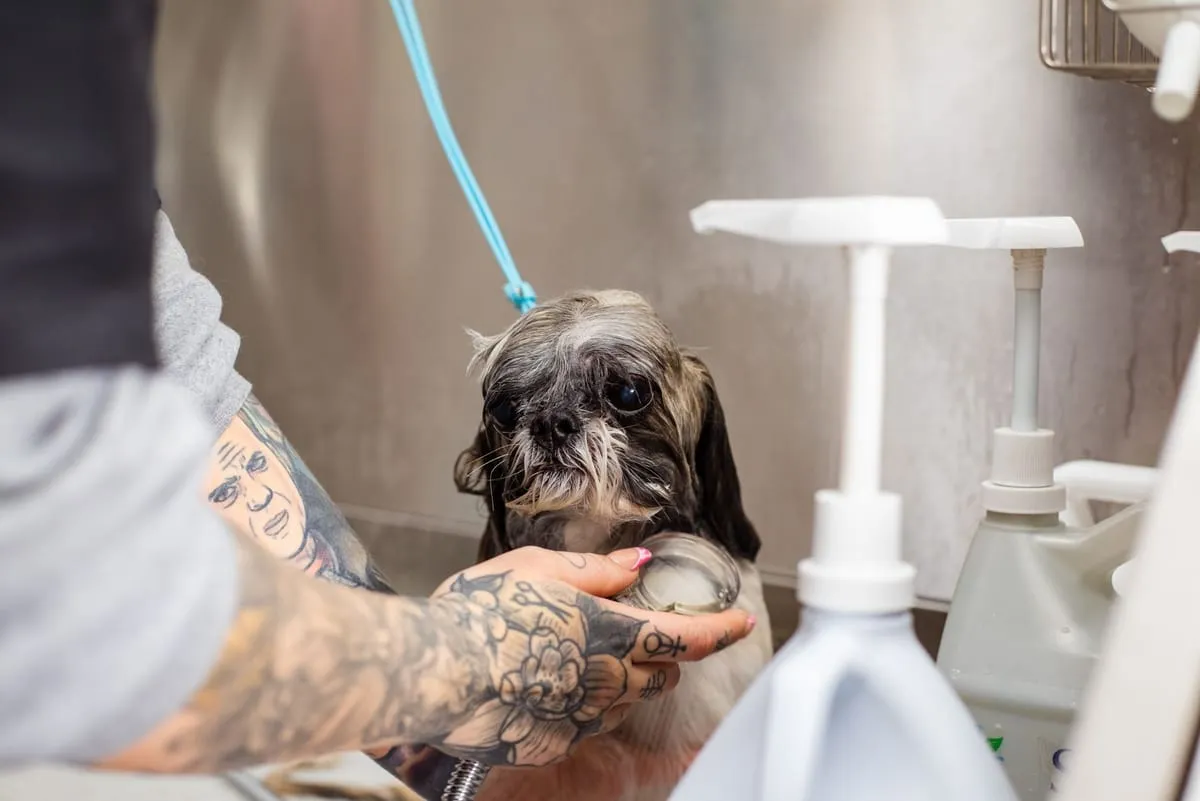
Dry the paws properly, every time. After a walk in wet grass, rain, or a bath, towel dry each paw individually, working the towel between the toes rather than just over the top of the foot. A few seconds of a cool (never hot) hair dryer on the paws finishes the job on a day when the fur is still slightly damp underneath. This single habit, done consistently, stops a lot of cavoodle Frito feet before it starts, because yeast simply cannot build up the same way on skin that gets to dry out properly between walks.
A paw balm or antiseptic wipe for the fold between the toes is a reasonable addition once or twice a week if the smell tends to come back, though it is a maintenance step rather than a fix for fur that is left long and wet.
When it has become a yeast infection
Mild corn chip smell that clears up with trimming and drying is normal and not worth a vet visit on its own. What is worth paying attention to is a smell that keeps coming back strong despite good grooming, skin between the toes that looks red, greasy or broken, or fur that has turned a rusty brown from a dog constantly licking at the area.
Once a true infection is treated and cleared, going back to a regular trim and dry routine is usually enough to keep it from returning. The smell itself is rarely the problem. It is really a signal about moisture and fur length, and fixing those two things solves it in the vast majority of cavoodles.
Related questions
Common questions
- Why do my cavoodle's paws smell like corn chips specifically?
- That corn chip or Frito smell comes from a species of yeast, Malassezia, that lives on every dog's skin in small numbers and produces a sweet, yeasty odor as it multiplies. Curly, dense oodle paw fur holds in warmth and moisture far more than a short, flat coat, which gives that yeast exactly the damp environment it needs to grow past normal levels, so cavoodle paws tend to carry the smell more noticeably than a lot of other breeds.
- Is cavoodle frito feet dangerous, or just a smell?
- On its own, a mild corn chip smell between the pads is not dangerous and is extremely common in curly coated breeds. It becomes a problem when the yeast overgrows enough to irritate the skin, which shows up as redness, licking, a stronger smell, or brown staining on the fur between the toes, and that level needs treating rather than just washing.
- How often should I trim and dry my cavoodle's paw fur?
- A paw trim every two to four weeks, keeping the fur level with the pads instead of overgrown, makes the single biggest difference, paired with drying the paws properly after every walk in wet weather or after a bath. Between trims, a quick towel dry and a few seconds of airflow from a cool hair dryer on the feet after a damp walk keeps the moisture from sitting there all day.
- When does paw odor mean a yeast infection that needs the vet?
- See your vet if the smell is strong and does not improve with trimming and drying, if the skin between the toes looks red, greasy or broken, if your dog is chewing or licking at their feet more than usual, or if the fur between the toes has turned a rusty brown from constant licking. These are signs the yeast has overgrown into a true infection that needs a proper antifungal treatment, not just a bath.