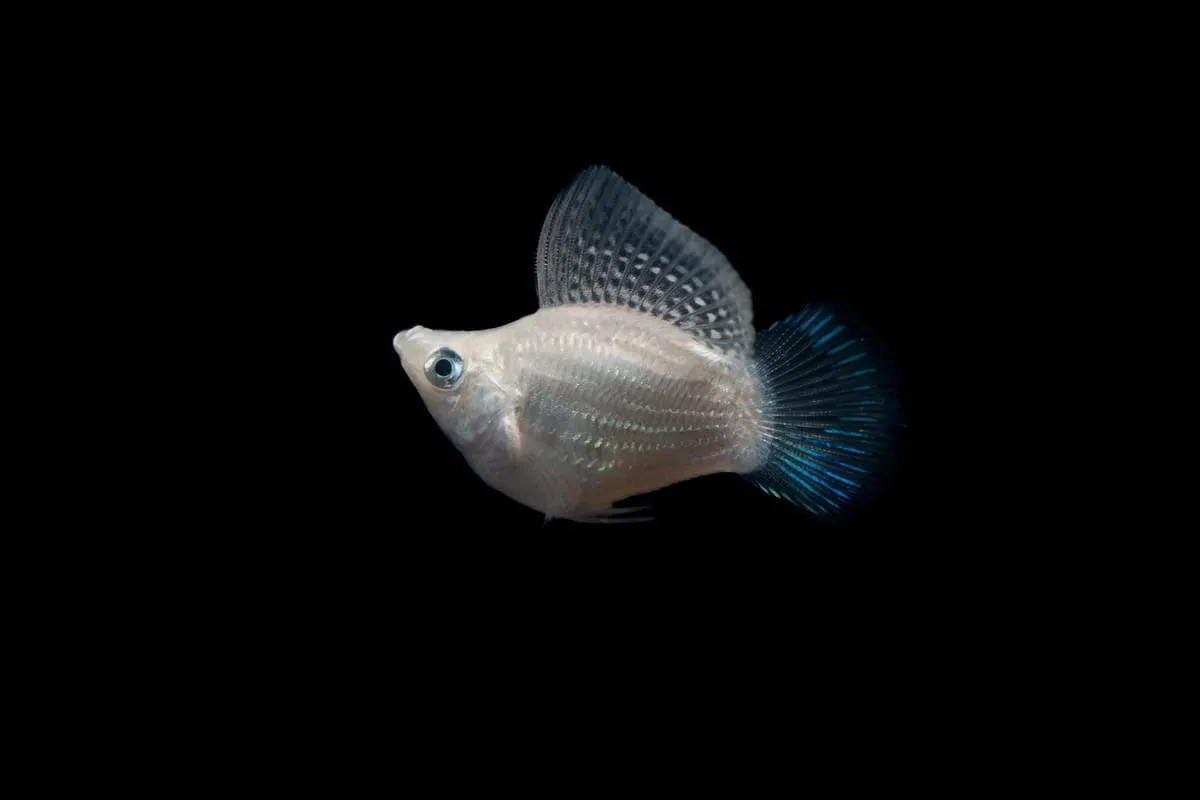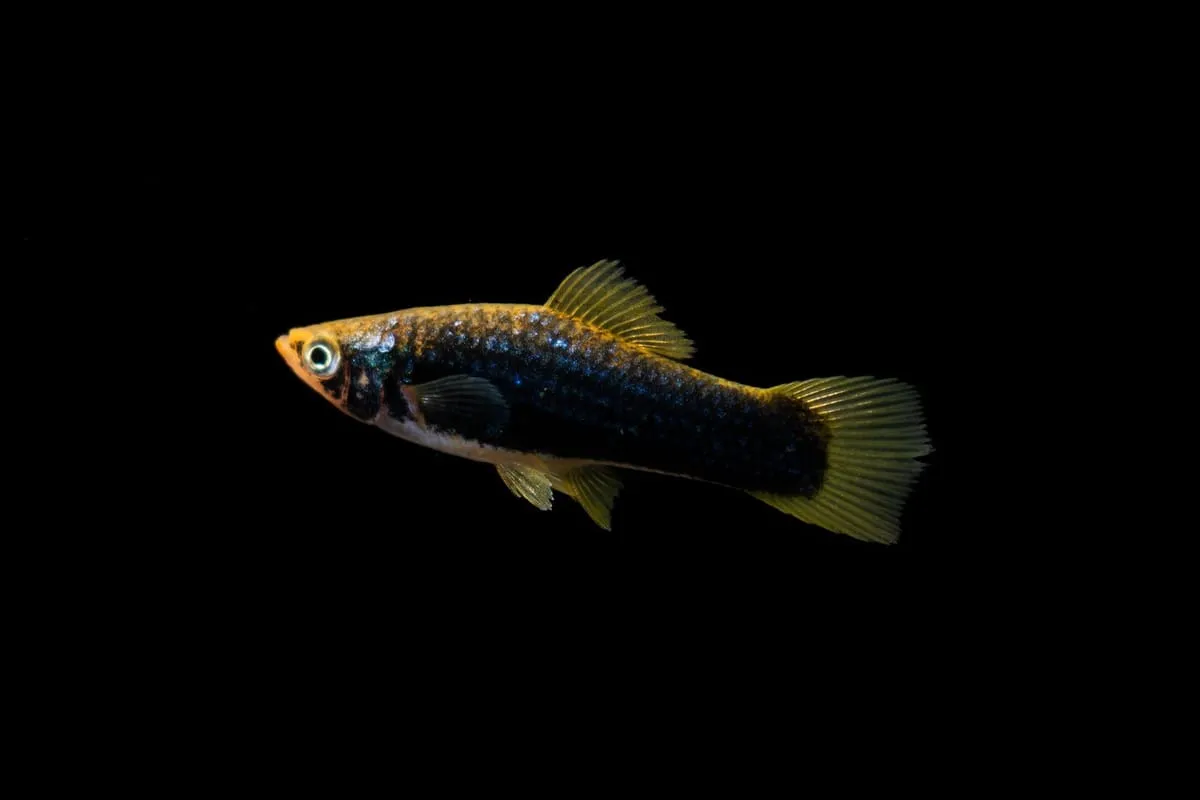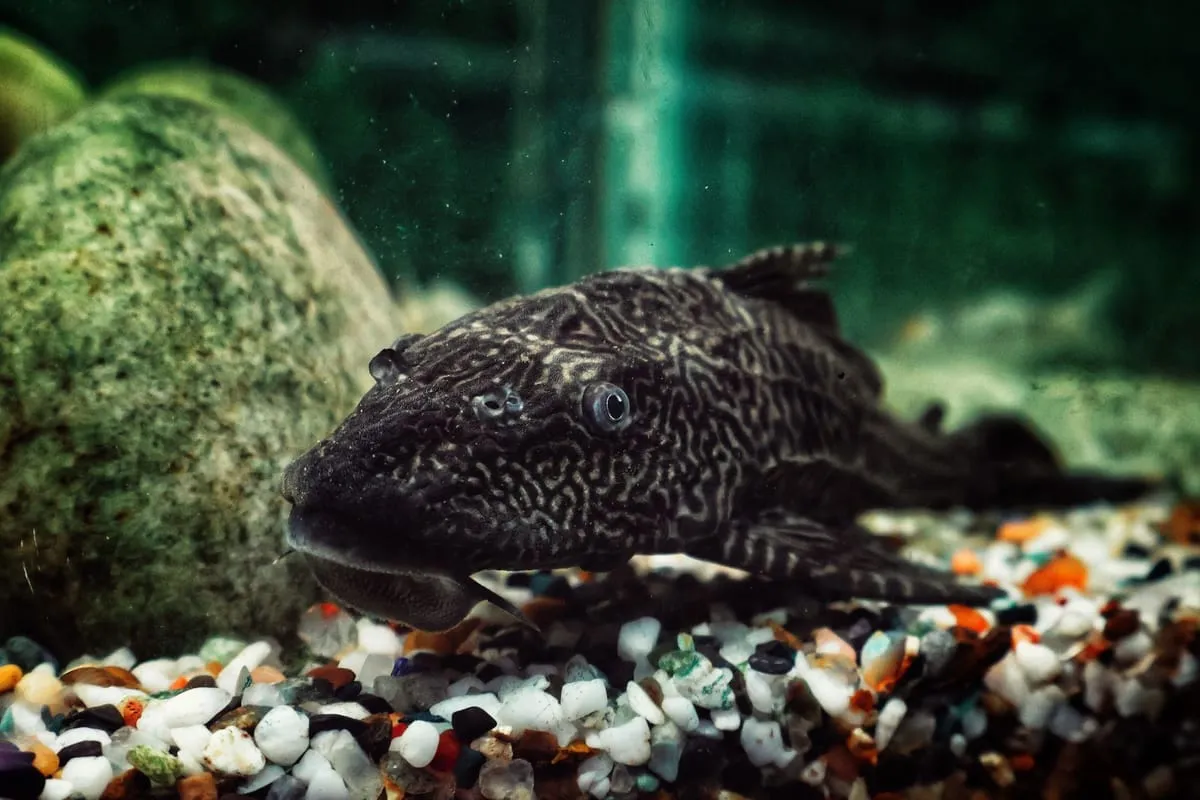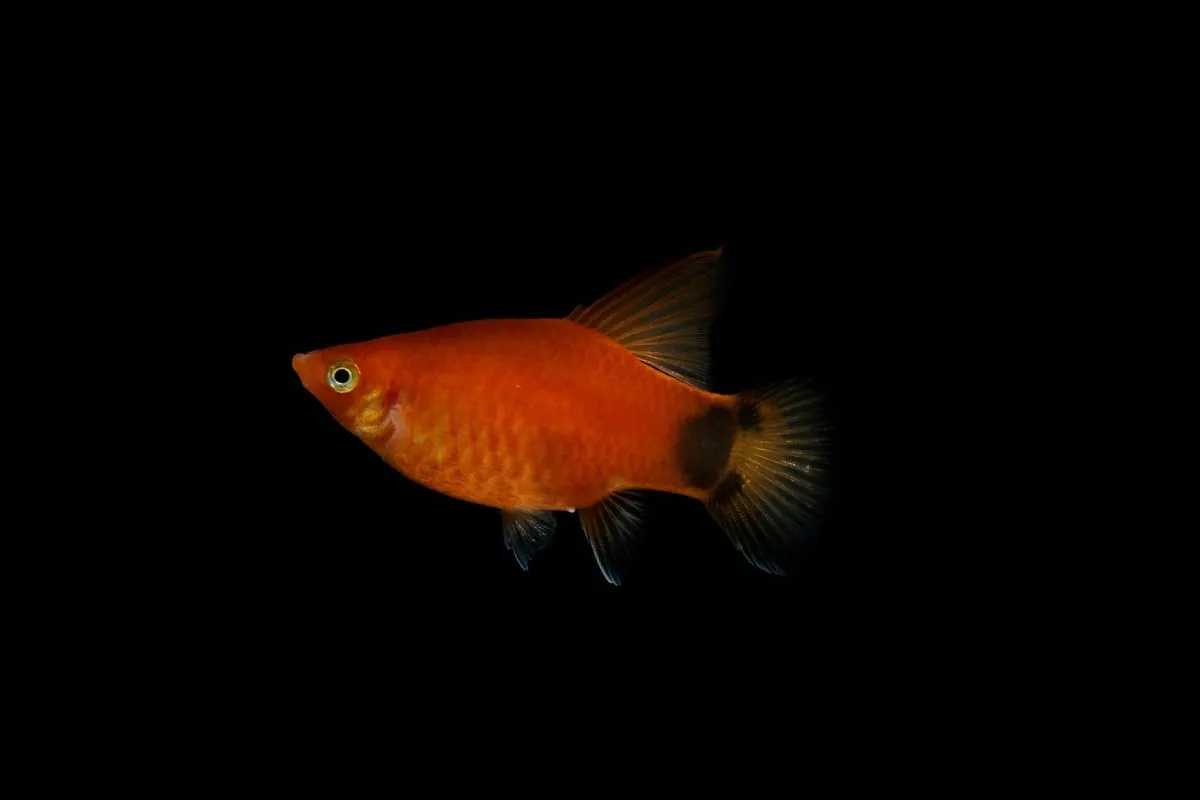
Platies sit on the same beginner-fish shelf as guppies and mollies, sold with the same “easy livebearer” label, and for the basics that reputation holds up. Where platies actually pull ahead of their livebearer cousins is water tolerance: they shrug off a wider range of hardness and pH than guppies need and do not require the harder, saltier water mollies prefer, which makes them a genuinely forgiving choice for whatever your tap water happens to be. What rarely gets mentioned alongside the easy-fish pitch is that some of the most popular colour strains carry a real, scientifically documented tumour risk baked into their genetics, a fact worth knowing before you pick fish purely because the colours are striking.
Water: the one area platies genuinely beat their cousins
Guppies want soft, slightly acidic water. Mollies want it harder and more alkaline, sometimes with a touch of salt. Platies sit comfortably across a wider band of both, which means an ordinary, moderately hard tap water that would need adjusting for a fussier livebearer is often just fine for platies as it comes, once it has been dechlorinated.
That flexibility is not an excuse to skip the fundamentals. A platy still needs a tank that has gone through a full nitrogen cycle before fish go in, a filter running continuously, and a heater holding a steady tropical temperature, exactly as covered in why fish keep dying and water changes and testing explained. Platies forgive more drift in hardness and pH than a guppy or molly would, they do not forgive skipping the cycle or an unheated tank.
Diet: a genuine omnivore, less fussy than a molly
Platies eat a broader diet than mollies do without needing the same heavy lean toward vegetable matter. A good quality flake or small pellet as a staple, with the odd feeding of blanched vegetable matter or algae-based food for variety, suits them well, and they are generally easier to keep from going bloated or listless on an ordinary community flake than a true herbivore like a pleco or a molly can be. Overfeeding rather than the wrong food type is the more common platy diet mistake, since they will beg and eat well past what they need.
The colour genetics most owners never hear about
This is the part of platy keeping that genuinely sets them apart from guppies and mollies rather than just repeating the same livebearer advice with a different fish’s name on it.
Many of the boldest red, black, and patterned platy strains sold in shops, sometimes marketed as “Mickey Mouse”, “wagtail” or “Simpson” platies, descend from deliberate crossbreeding with swordtails to intensify colour and patterning. That cross carries a documented hereditary predisposition to melanoma in some lines, visible as black patches or raised lumps that spread beyond the fish’s normal colour pattern over time, a trait well known enough in the hobby and in genetics research that platy-swordtail hybrids have actually been used as a model organism for studying melanoma in laboratories. It is a genetic trait carried in the breeding line, not a symptom of a dirty tank, poor water, or anything you did wrong as a keeper.
Breeding: a livebearer, but a steadier one than a guppy
Platies are livebearers exactly like guppies and mollies, carrying fertilised eggs internally and releasing free-swimming fry rather than laying eggs. They breed readily, though most keepers find platies a little less relentlessly prolific than guppies, which still means plan for fry rather than assume you will not get any. A single-sex group, almost always females since males carry the more interesting colour and finnage, or fully separate tanks for males and females, is the reliable way to avoid an ongoing series of broods, the same logic covered in detail in guppy care.
If you do want to raise fry, or get surprised by an unplanned batch, a breeder box to separate a visibly pregnant female and newborn fry from adults that will otherwise eat them covers the first week or two until the fry are large enough to join the main tank.
Size, tankmates, and who platies suit
Adult platies typically reach around two to two and a half inches, a little larger than a guppy and noticeably smaller than a full-grown molly, which makes them a comfortable middle ground for stocking a mixed community tank. They are peaceful and generally make easy tankmates for guppies, mollies, and calm tetras, though as with any livebearer, give long-finned males room and some planting to retreat into if a tankmate turns out to be a nipper.
Platies suit a keeper who wants an easy, colourful livebearer without fussing over water hardness the way a guppy or molly setup sometimes demands, and who is willing to look past the flashiest colour pattern in the shop tank in favour of a strain with a calmer genetic history. Get the cycled, heated, filtered basics right, plan for the sexes the same way you would for any livebearer, and a platy tank runs about as easily as the beginner-fish reputation promises, with one genuine health quirk worth knowing rather than discovering by surprise.
Common questions
- Are platies easier to keep than guppies?
- In one real sense, yes. Platies tolerate a wider range of water hardness and pH than guppies do, so they cope better with ordinary tap water that is not softened or specially treated. They still need a properly cycled, heated, filtered tank, and they still breed readily as livebearers, so "easier" means more forgiving on water chemistry, not no maintenance.
- Do platies need a heater?
- Yes. Platies are tropical fish and need a steady, warm temperature, not an unheated room-temperature tank. A reliable heater holding a stable tropical range matters as much for platies as it does for any other tropical community fish.
- What is the black spot or tumour issue in platies?
- Some platy colour strains, particularly ones bred using swordtail genetics to intensify red and black patterning, carry a documented hereditary predisposition to melanoma, visible as spreading black patches or lumps rather than the fish's normal colour pattern. It is not caused by poor water quality or a dirty tank. If you want to avoid the risk, choose strains without heavy black patterning and buy from a source that can tell you about the line.
- Can platies live with guppies and mollies?
- Generally yes. All three are peaceful livebearers with broadly similar care needs, and platies are often a calmer tankmate than a boisterous male guppy. Watch a new mix for the first week or two, and expect some livebearer cross-species interest at breeding time even though true platy-guppy hybrids are not viable the way platy-swordtail crosses are.