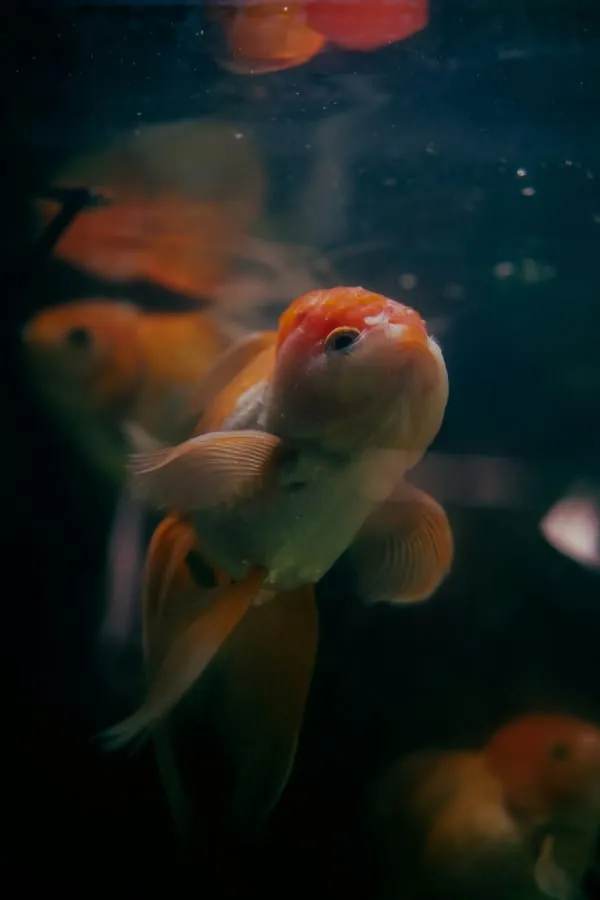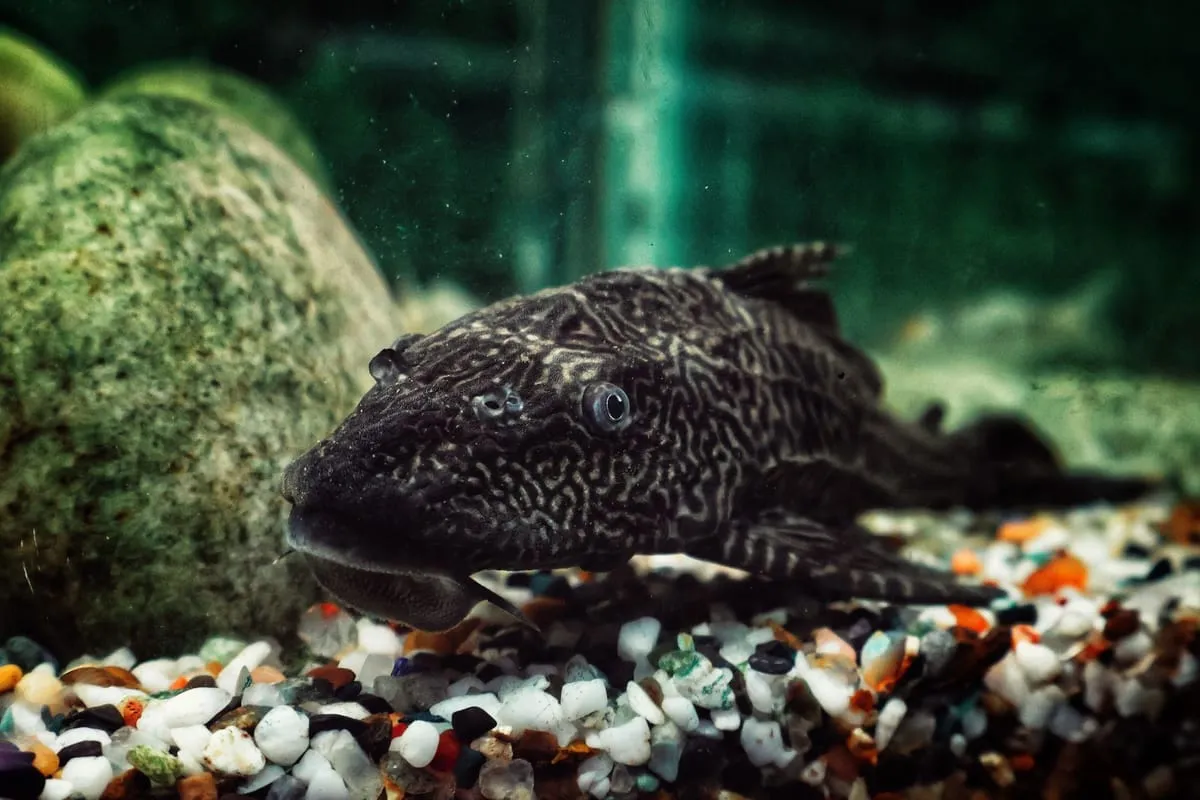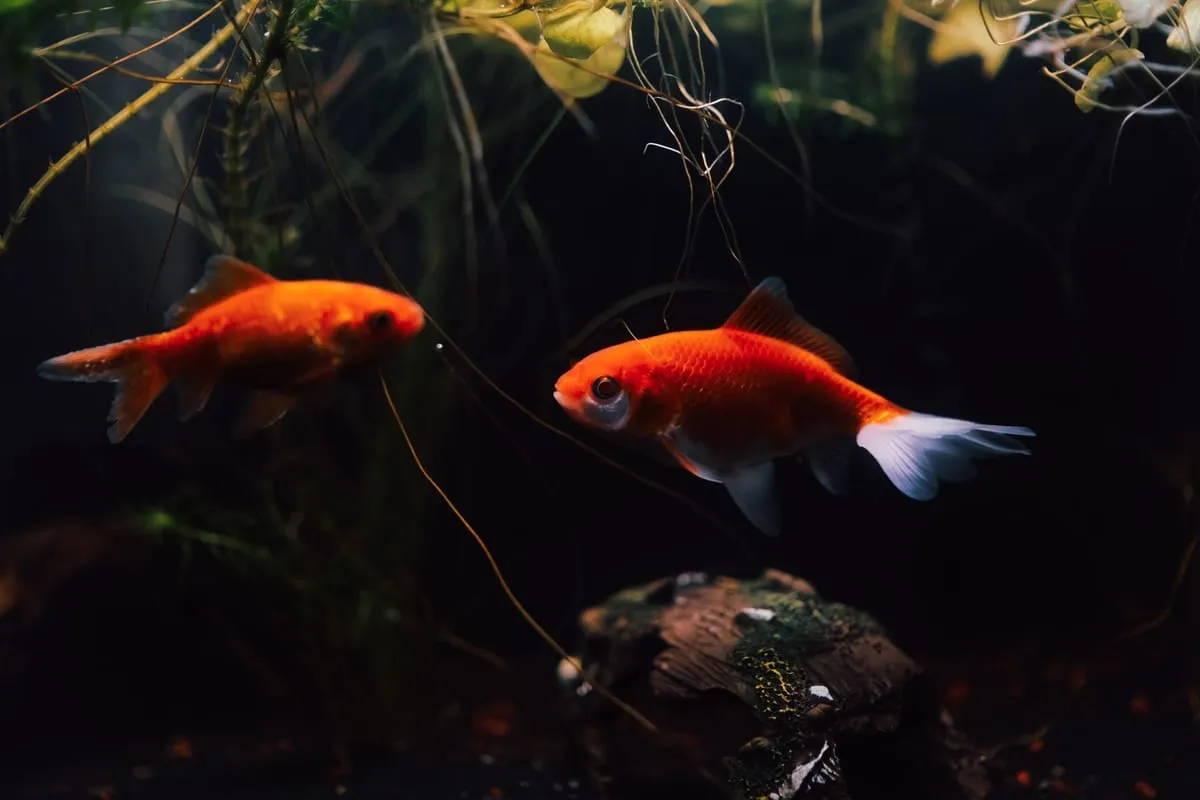
Walk up to most tanks and the fish already know what is coming. They swarm the glass, some even mouth at the surface or dart to the corner nearest you, and it reads exactly like hunger. It rarely is. Fish beg because movement near the tank has, over time, meant food is about to arrive, and that learned response fires whether the fish ate ten minutes ago or ten hours ago. Reading it as genuine hunger is the single most common way a well-cared-for tank ends up overfed.
Why fish always look hungry
A fish’s feeding instinct evolved for an environment where food is unpredictable and never guaranteed, so eating opportunistically whenever something edible appears is the safer bet over holding out for a proper meal. There is no strong internal “I am full” brake the way a mammal has, so a fish will keep eating past what it actually needs if food keeps showing up, and it will beg for more regardless of how recently it was fed.
Layer a home aquarium on top of that instinct and you get a fish that has learned your shape at the glass, the light going on, or your hand near the tank lid means food, and it responds to that cue rather than to any actual need. It is the aquarium version of a dog running to the kitchen at the sound of a specific cupboard opening. The behaviour is real, it is just not a reliable signal of anything.
What giving in actually does
Uneaten food does not just disappear, it sinks, breaks down, and rots in the substrate or filter, and the ammonia and nitrite that produces is invisible until a fish is already struggling with it. Our guide to why your fish tank is cloudy covers the same white or grey bacterial bloom that a heavy feeding pattern can trigger or prolong, and a tank running high on ammonia is also exactly the stressed environment that lets problems like fin rot take hold.
The fish themselves carry the cost too. A consistently overfed fish, goldfish especially, is prone to a permanently distended gut that can compress the swim bladder and cause buoyancy problems, floating sideways or struggling to stay upright. Over months, a diet of more than a fish needs contributes to fatty liver disease the same way it would in almost any animal, and it is a slow, hard-to-reverse decline rather than a sudden crisis, which is part of why it goes unnoticed for so long.
How much a fish actually needs
Most community tropical fish do well on a portion that clears completely in two to three minutes, once or twice a day, and our guide to how much and how often to feed fish walks through that in more detail by species and tank type. The habit worth building is portioning before you approach the tank, a small pinch decided in advance, rather than feeding by eye while fish are already swarming the glass and making the amount feel too small.
Breaking the begging cycle
The fix is almost entirely about your own habits rather than the fish’s. Feed at set times, the same one or two windows each day, and treat the begging at the glass as background noise rather than a request. It takes a couple of weeks for the association between your presence and food to weaken, and the fish will keep swimming to the glass out of habit for a while even once the pattern is broken, that alone is not a sign anything is wrong.
An automatic feeder like the Everyday Fish Feeder takes the decision out of the moment entirely, since it drops a pre-set portion on a timer regardless of how the fish are behaving when it fires. It is worth having even for an owner who feeds by hand every other day, because the times a tank gets overfed most badly are usually the times someone else is doing it, a house-sitter or a family member who sees eager fish and assumes a fuller pinch is kinder.
Fish begging at the glass is one of the more charming things about keeping them, and there is no need to ignore a tank that gets excited when you walk in. Just keep the portion decided before you get there, on a schedule the fish cannot talk you out of, and the excitement stays a nice moment instead of a slow-building water quality problem.
Common questions
- Can fish actually die from overfeeding?
- Not usually from the food itself, fish rarely eat enough in one sitting to choke or rupture anything. What kills fish is what uneaten food does to the water, it rots and spikes ammonia and nitrite, and an ongoing pattern of overfeeding leads to fatty liver disease, swim bladder problems from a permanently full gut, and obesity in species prone to it, goldfish especially.
- How do I know if I am overfeeding my fish?
- Food still visible on the substrate a few minutes after feeding is the clearest sign, healthy portions are gone in two to three minutes. A round, distended belly, cloudy water that returns quickly after a water change, and a film on the surface are the other tells. If any of those show up, cut the portion before you cut the frequency.
- Will my fish stop begging if I feed it more?
- No, and this is the trap. Begging is a conditioned response to your shadow or movement near the tank, not a real hunger signal, so feeding more just teaches the fish that a bigger show gets a bigger reward. The behaviour fades once feeding only happens at set times regardless of how the fish reacts to you standing there.
- Is it bad to feed fish at the same time every day?
- It is actually the fix. Fish do not need feeding variety in timing the way they might in diet, and a consistent one or two times a day, portioned to what clears in a couple of minutes, is what most home aquarium fish actually thrive on. Routine is what breaks the begging cycle, not what causes it.