A thin green haze creeping up the inside of the glass, or a dusty brown coating across the bottom panes of a newer tank, is one of the most common things a fishkeeper deals with, and one of the most misunderstood. It is a different problem from cloudy water that turns the whole tank hazy, covered in our guide to why your fish tank is cloudy. This is algae that has actually attached itself to a surface rather than floating free in the water, and scraping it off the glass without changing what is feeding it is why it always seems to come straight back.
What is actually growing on your glass
Algae on the glass is not one thing. A brown, dusty film that wipes off easily and mostly shows up in a tank under a couple of months old is almost always diatoms, which feed on silicates more available early in a tank’s life and tend to fade on their own as the tank matures. A green film or green dots that are much harder to scrape off is green spot or green film algae, usually a sign of too much light, often direct sunlight reaching the tank or a light left on too many hours a day. Dark, tufted growth on decorations, plants, or the filter intake, more stubborn than either of the others, is black beard or black brush algae, which tends to show up where organic waste is building up, old filter media, overfeeding, or infrequent water changes.
The two things every algae problem needs
Whatever the colour, algae on the glass needs the same two basic ingredients to grow: light and nutrients. Cut either one back hard enough and the algae runs out of fuel, which is the entire logic behind every fix on this page.
Light is usually the easier lever to pull. Most freshwater tanks do well on six to eight hours of light a day, and a tank sitting in direct sun, even just a strip of afternoon light hitting one side of the glass, gets far more light than that without you necessarily registering it as the cause. A cheap plug-in timer removes the guesswork and the temptation to leave the light on longer “just to see the fish” in the evening.
Nutrients come mostly from fish waste and uneaten food. Overfeeding is the single biggest contributor, since food that is not eaten within a couple of minutes breaks down into exactly the nitrogen and phosphate compounds algae thrives on. Regular partial water changes and not skipping gravel vacuuming during them keep that nutrient load from building up between cleans.
Clearing what is already there
For the algae already on the glass, a magnetic or handheld algae scraper is the quickest way to clear it without draining the tank or disturbing your fish much. A floating magnet cleaner lets you scrape from outside the glass, which is a lot easier on your arm than reaching in with a pad every time, though a standard scrub-pad version will scratch acrylic, so check you have the acrylic-safe version if that is what your tank is made from.
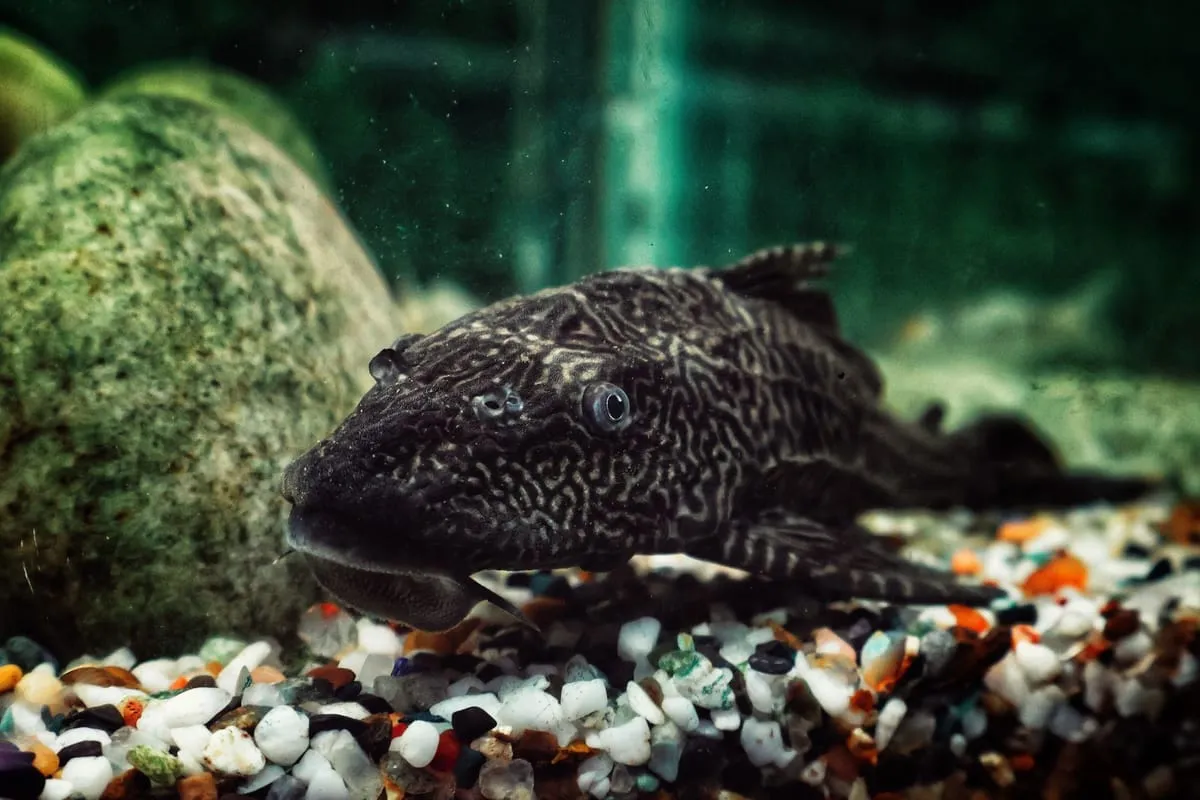
A cleanup crew, nerite snails, otocinclus catfish, or amano shrimp depending on your tank’s size and stock, genuinely eats algae off the glass and decorations day to day, which cuts how often you need to get the scraper out. It works best paired with fixing the light and feeding, since a cleanup crew alone cannot keep up with algae that is still being fed faster than it is being eaten.
When it is more than a glass problem
Most glass algae is a maintenance and lighting issue, not a water quality emergency, and responds within one to two weeks of cutting the light and checking feeding. It is worth testing your water with a liquid test kit if algae keeps surging back despite those changes, since persistently high nitrate or phosphate from an overstocked tank or an overdue filter clean will keep outrunning anything you do on the light side alone. A tank that also has genuinely cloudy or green-tinted water, rather than just algae stuck to the glass, is describing a different problem, a free-floating bloom, which needs the fixes in our cloudy water guide rather than scraping.
Algae on the glass is one of the most normal things about running a tank, not a sign you are doing something wrong. A reasonable light schedule, feeding only what gets eaten, a cleanup crew earning its keep, and a scraper for the rest keeps most tanks looking clear with a few minutes of maintenance a week.
Common questions
- Why does my fish tank keep getting algae on the glass even after I clean it?
- Because scraping removes the algae you can see without touching whatever is feeding it, usually too many hours of light, too much light intensity, or more nutrients in the water than your fish and any plants are using up. Within days, the same conditions grow the same film back. Cutting the light duration and checking you are not overfeeding fixes the supply line, which is what actually stops it coming back.
- What is the brown dusty stuff on my new tank's glass?
- Almost certainly diatoms, a brown, dusty algae that is extremely common in tanks under about two months old. It feeds on silicates that are often more available early on, and it typically fades on its own within a few weeks as the tank matures, a sponge wipe or an algae-eating cleanup crew member keeps it in check while that happens. It is not a sign anything is wrong.
- Is green algae on the glass harmful to my fish?
- Not directly. A light film of green algae on the glass is cosmetic and most fish are completely unbothered by it, some even graze on it. The reason to deal with it is appearance and visibility more than fish health, though a bloom heavy enough to colour the water, rather than just coat the glass, can point to the same excess light and nutrients that cause other water quality problems.
- Will an algae eater fix my glass algae for good?
- It helps with maintenance but will not fix the underlying cause on its own. Fish and invertebrates like nerite snails, otocinclus, or amano shrimp genuinely graze algae off the glass and decorations, which cuts down how often you need to scrape, but if the tank is still getting too much light or too many nutrients, algae will keep growing faster than a cleanup crew alone can eat it. Pair a cleanup crew with fixing the light and feeding, not instead of it.