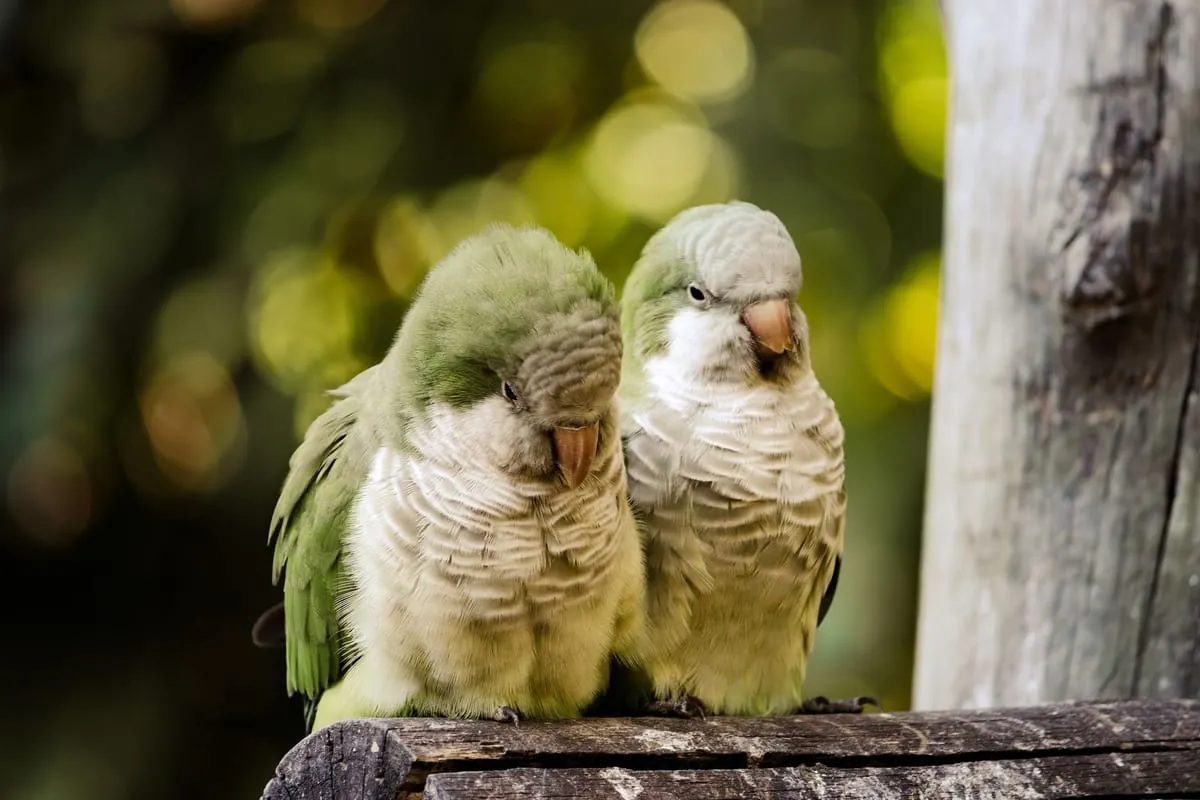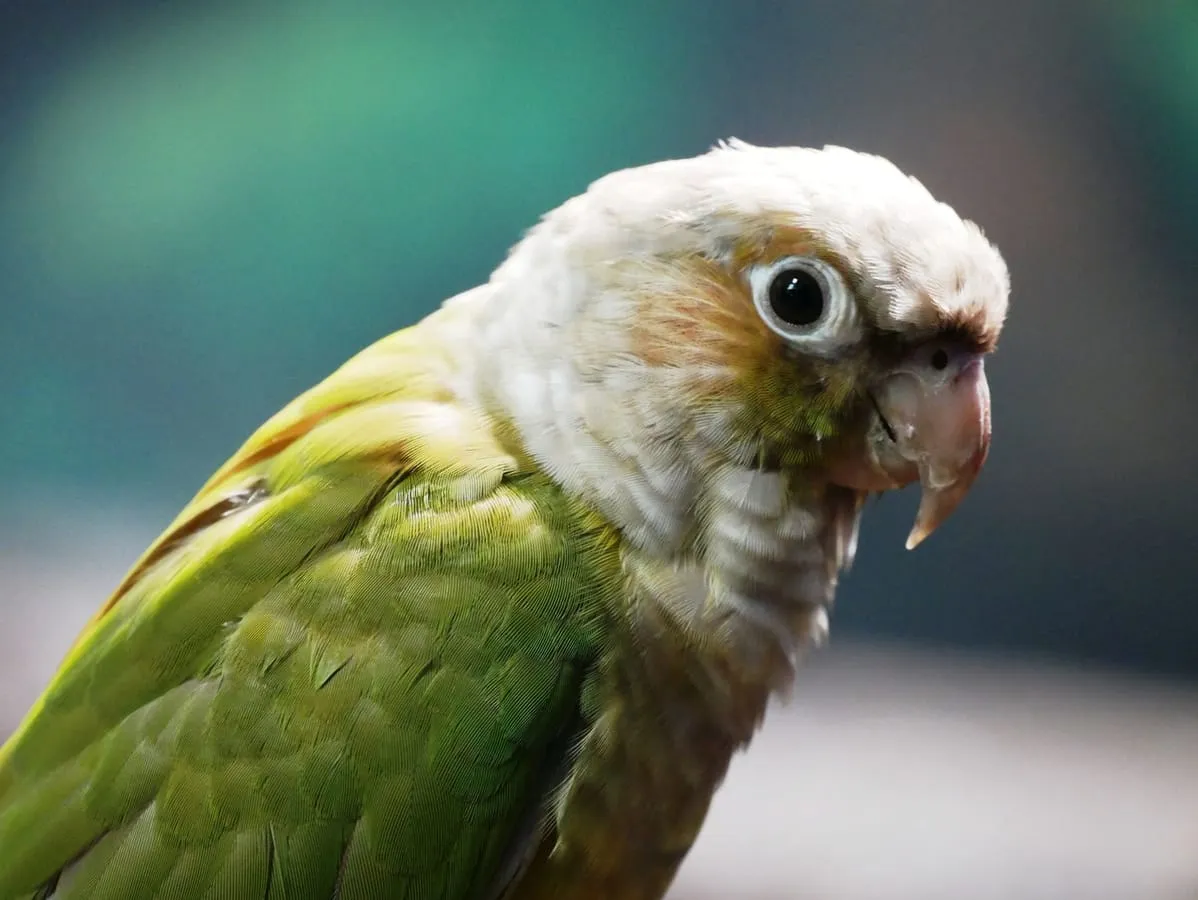
Conures are some of the most popular small parrots kept as pets, and it is easy to see why within five minutes of meeting one: colourful, comical, endlessly curious, and often deeply affectionate with their favourite person. They also come with a reputation new owners tend to underestimate until they have lived with one, a voice far bigger than the bird producing it. This is a care guide to what a conure actually needs, and an honest look at the noise before you bring one home.
A big personality in a small bird
Conures are known among bird keepers as the clowns of the parrot world, and the nickname holds up. They are playful, curious, often happy to hang upside down or clown around for attention, and capable of forming an intensely affectionate bond with their person, frequently wanting to be right there on a shoulder or in a shirt pocket rather than at a polite distance.
That same intensity has an edge. A conure can be nippy when startled, overstimulated, or feeling territorial over a cage or favourite person, and a bird that has learned biting gets a reaction will keep using it, the same pattern covered generally in why does my bird bite me. Confident handling and consistent, gentle socialisation from early on go a long way toward a conure that stays a genuinely sweet companion rather than a nippy one.
The noise, honestly
This is the single thing most likely to determine whether a conure suits your home, so it is worth being direct about it rather than glossing over it.
Conures are not screamers in the constant, all-day sense a macaw or cockatoo can be, but they are not quiet birds either. Expect sharp, carrying contact calls through the day, a startle scream if something surprises the bird, and a burst of noise around dawn and dusk that is close to unavoidable, the same pattern covered more generally in why does my parrot scream. A green-cheek conure is on the milder end of the species and a realistic option for an apartment with reasonably tolerant neighbours. A sun conure is a different proposition, with a peak call that is genuinely loud for the bird’s size, closer to what people expect from a much larger parrot, and worth hearing in person or in an unfiltered recording before committing.
Diet and housing
An all-seed diet is a common mistake with any parrot, and a conure needs the same correction as every other species on this site: a base of good-quality formulated pellets with a daily variety of fresh vegetables and a smaller portion of seed, exactly as covered in why an all-seed diet is bad for your bird.
Housing needs to account for a conure’s energy and curiosity rather than just its small size. A cage that is genuinely roomy, with horizontal space to move and climb rather than just enough to turn around in, matched with narrow bar spacing so a small, determined bird cannot squeeze through, is the right base. A spacious flight cage gives a conure real room, and daily supervised time outside the cage in a bird-proofed room matters here as much as it does for any parrot.
Enrichment, and who a conure suits
A bored conure is a louder, nippier conure, so daily mental work is not optional, it is the difference between a settled bird and a frustrated one.
Chewable, shreddable toys hold up well to a conure’s curious beak, and a rotating foraging wheel or playstand for supervised time outside the cage both give a conure something to work for rather than nothing to do, the same principles covered in how to keep a parrot from getting bored. A conure suits someone drawn to a small, colourful, genuinely funny parrot who can accept real daily noise, wants a bird that bonds hard and stays close, and is prepared to put in the same diet, space, and enrichment commitment any parrot needs despite the small size. It is a poor fit for anyone in a noise-sensitive household, expecting a quiet or low-maintenance bird, or unwilling to work through a nippy phase with patient, consistent handling.
Get the noise expectations right before you bring one home, and the rest, diet, space, and daily enrichment, is a commitment any prepared parrot owner can meet. A conure that has its needs met is one of the most entertaining, affectionate small birds anyone can keep, clowning included.
Common questions
- How loud are conures really?
- Loud in short bursts rather than constantly, but the peak volume catches most new owners off guard. A green-cheek conure's contact calls and startle screams are sharp and carry through a house or apartment easily, and a sun conure is louder still, closer to a small cockatoo in its peak calls despite its small size. Neither species is a quiet bird for most of the day, but neither screams non-stop either.
- Which conure is the best choice for a first-time owner?
- The green-cheek conure is the usual recommendation, since it is smaller, generally quieter than the sun conure, and considered one of the more manageable conure species for someone new to parrots, though it still needs the same daily interaction and enrichment as any parrot.
- Are conures good with children?
- They can be, with supervision and once a bird is well socialised, but a conure has a genuine bite and can nip when startled, overstimulated, or protecting territory, so interactions with young children need adult supervision the same way they would with any parrot.
- Why does my conure bite or scream more than it used to?
- A sudden increase usually points to an unmet need or a change worth investigating, boredom, insufficient time out of the cage, a diet still too seed-heavy, or a change in the home. Our guides to why does my bird bite me and why does my parrot scream cover the general causes in more depth, and both apply directly to conures.