Worms are one of the most common things a dog owner deals with, and one of the least dramatic once you know what you are actually looking at. The confusing part is that a lot of dogs carrying worms show barely anything at all, and the handful that do show signs often get mistaken for something else. Knowing the real tells, and just as importantly, knowing what worms are not, matters more than waiting for your dog to look obviously unwell.
The signs worth checking for
The clearest sign is spotting the worms themselves. Tapeworm segments look like small, sometimes still-moving grains of rice, usually stuck to the fur around the anus rather than sitting in a fresh pile of stool. Once dried, they shrink down to something closer to a sesame seed. Roundworms are longer, pale, and thin, closer to a strand of spaghetti, and turn up in stool or occasionally vomit. Hookworms and whipworms are smaller and harder to see, or attach directly to the gut wall, so a dog can carry either without a single visible worm ever showing up.
Beyond visible worms, watch for scooting or dragging the bottom along the ground, a potbellied look most obvious in puppies with a heavy roundworm burden, a dull coat, and weight loss despite a normal or increased appetite. Ongoing diarrhea that will not clear, sometimes with visible blood from hookworm damage to the gut, is another pattern worth taking seriously rather than putting down to a sensitive stomach.
How dogs actually get worms
Puppies usually start out with roundworms already on board, passed on before birth or through their mother’s milk, which is why they need repeat deworming in their first months rather than a single dose. In adult dogs, fleas are the most common route to tapeworms specifically: a dog grooming itself swallows an infected flea, and it is the flea carrying the tapeworm larvae, not direct contact between dogs. This is one more reason flea control matters even for a dog that never seems bothered by fleas.
Roundworms, hookworms, and whipworms more often spread through contact with soil or grass contaminated by another animal’s droppings, or from eating something they should not on a walk, a dead animal, another dog’s stool, contaminated dirt. A dog with a securely fenced yard and no contact with other animals is lower risk, not zero risk, since eggs and larvae can persist in soil for a long time and travel in on shoes, paws, or another pet entirely.
Worms and heartworm are not the same thing
This is the mix-up that matters most, because treating one as if it covers the other leaves a dog genuinely exposed.
Everything described above lives in the gut and spreads through fleas, contaminated soil, or eating something infected. Heartworm is a completely different parasite that spreads only through a mosquito bite, and it does not live in the intestines at all. It travels to the heart and major blood vessels, where it grows and multiplies, and it causes little to no obvious sign in the early stages, long before the damage to the heart and lungs becomes serious or fatal. A standard intestinal dewormer does nothing to prevent or treat heartworm, and a monthly heartworm preventive does not necessarily cover every intestinal worm either, although some combination products do both.
Diagnosis and treatment
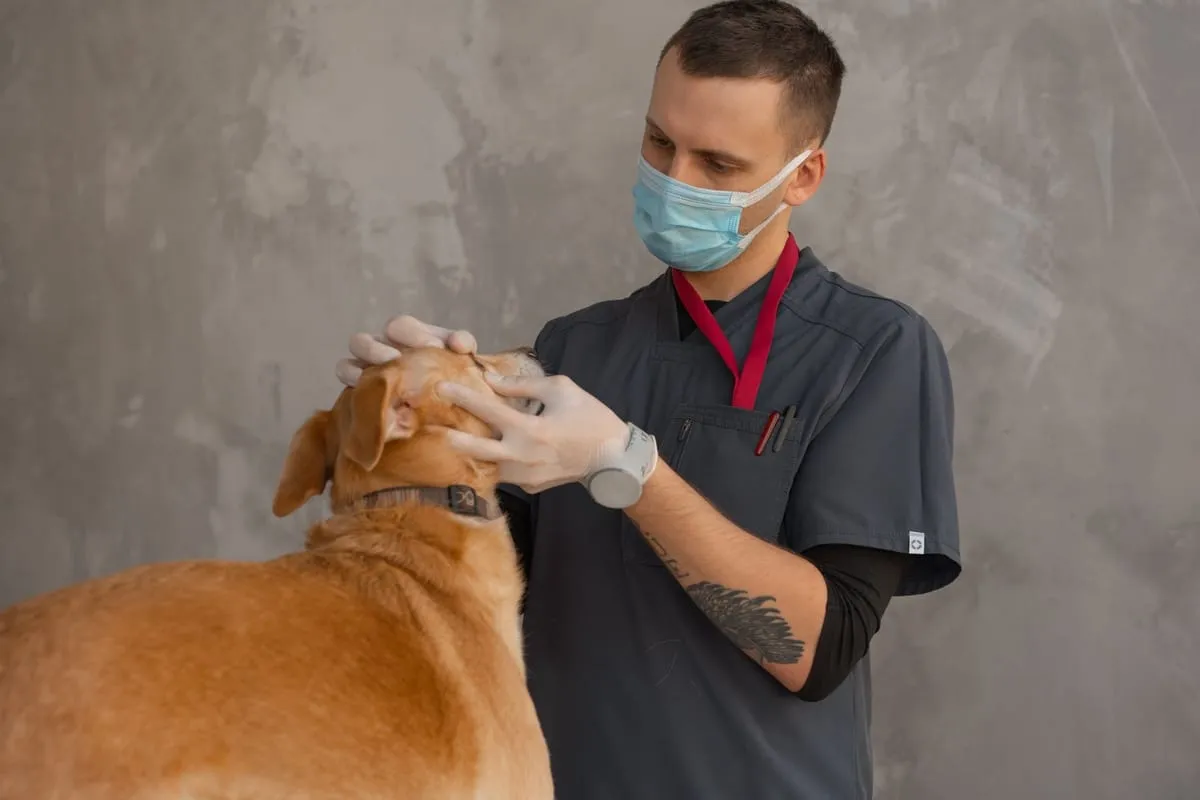
A vet confirms intestinal worms with a fecal test, examining a stool sample under a microscope for eggs, since eggs shed intermittently and are not always visible even in a dog that definitely has worms. Treatment is usually straightforward once the type is known, a dewormer matched to the specific worm found or suspected. Broad-spectrum chewables such as Sentry WormX Plus cover the common roundworm, hookworm, and tapeworm combination and are widely used as a first step, though a vet’s guidance matters more when a puppy, a heavy infestation, or a persistent problem is involved.
Keeping worms from coming back
Regular flea prevention cuts off the tapeworm route almost entirely, since without fleas there is no tapeworm larvae for a dog to swallow. Picking up stool promptly, both in your own yard and on walks, stops eggs building up in soil where a dog might later pick them up again. Routine fecal checks at annual vet visits catch a light, symptomless infestation before it becomes a heavier one, and sticking to whatever deworming schedule your vet recommends for your dog’s actual lifestyle, rather than skipping it because nothing looks wrong, is what keeps worms from becoming a repeat problem rather than a one-off.
See your vet promptly if you see visible worms or segments more than once, if diarrhea persists for more than a couple of days, or if your dog is losing weight despite eating normally. None of these are emergencies on their own, but none of them are things to wait out either.
Common questions
- Can a dog that never leaves the yard get worms?
- Yes. Fleas carry tapeworm larvae, and a dog picks that up simply by swallowing an infected flea while grooming, no travel required. Sniffing contaminated soil, eating grass, or investigating another dog's droppings on a normal walk is also enough to pass on roundworms or hookworms. Low exposure is not no exposure.
- What do worms look like in dog poop?
- Tapeworm segments look like small grains of moving rice around the anus or in fresh stool, drying to something closer to a sesame seed. Roundworms are longer, pale, and spaghetti-like, sometimes visible in stool or vomit. Hookworms and whipworms are rarely seen with the naked eye at all, since they are tiny or stay attached to the gut lining, which is exactly why a fecal test finds infections a visual check misses.
- Is heartworm the same thing as worms in dogs?
- No, and mixing the two up is a genuinely dangerous assumption. The worms covered here live in the gut and spread through fleas, soil, and prey. Heartworm is a separate parasite spread only by mosquito bites that lives in the heart and lungs, causes no obvious early symptoms, and needs its own monthly preventive plus a blood test before starting one. A dog can be free of intestinal worms and still be at real risk of heartworm.
- How often should a dog be dewormed?
- Puppies need a repeat schedule in their first few months, since most start life already carrying roundworms from their mother. Adult dogs are commonly dewormed every one to three months if they are outdoors often, hunt, or scavenge, and roughly twice a year for a mostly indoor dog with good flea control. A vet can set a schedule matched to your dog's actual risk rather than a generic rule.