Reptiles

Health

Health advice for reptiles, written from real experience.

Health

Signs of a prolapse in reptiles

Pink or red tissue showing at a reptile's vent is always an emergency, not a wait-and-see sign. Here is what causes a prolapse, what to do in the first few minutes, and the harmless look-alike it sometimes gets mistaken for.
Hannah Cole

Health

Signs of dehydration in reptiles

Loose, tented skin, sunken eyes, and thick chalky urates are the early signs of a dehydrated reptile, and it builds up quietly in a dry enclosure. Here is the quick test to check and how to fix it safely.

Hannah Cole

Health

Why does my leopard gecko drop its tail?

Finding a wriggling tail in the tank and a gecko with a shorter, bleeding stump is alarming the first time it happens. It is a built-in defence, almost never an emergency, and here is what to do in the first few hours.

Hannah Cole

Health

Signs of mouth rot in reptiles

Mouth rot, properly called infectious stomatitis, shows up as redness, swelling, or a cheesy discharge along the gumline, usually in a reptile already weakened by husbandry that is slightly off. Here is what it looks like and why it is always a vet visit.

Hannah Cole

Health

Signs of metabolic bone disease in reptiles

Metabolic bone disease starts quietly, a slightly soft jaw, a leg that looks not quite straight, before it becomes swollen limbs and fractures. Here is how to spot it early, and why it always means an exotics vet.

Hannah Cole

Health

Signs of impaction in reptiles

A reptile that stops passing waste, strains without result, or develops a hard swelling low in the belly may have a gut blockage, most often from swallowing loose substrate along with its food. Here is how impaction happens, what it looks like, and why it is always a vet visit, never a home fix.

Hannah Cole

Health

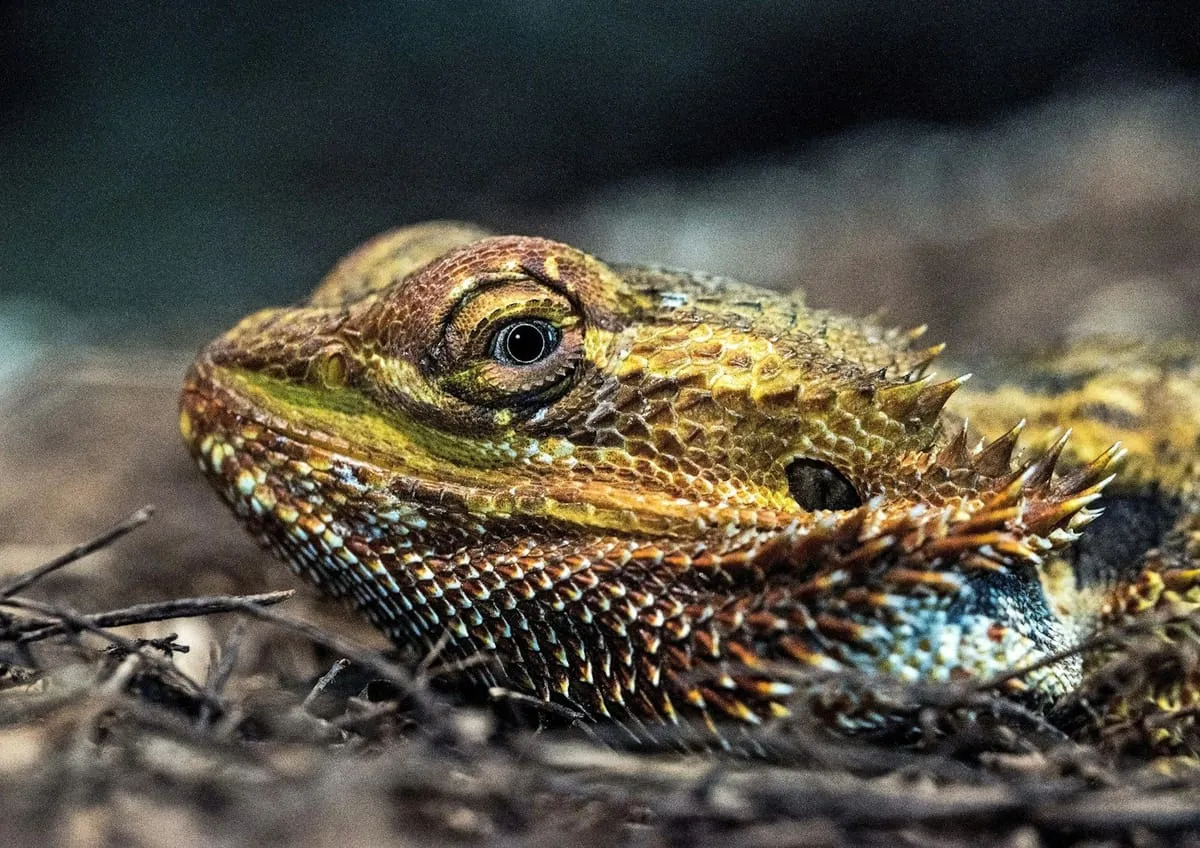
Why is my bearded dragon turning black?

A black beard or dark body usually means thermoregulation, stress, or a mood display, not illness. Here is how to read the colour change and the pattern that does need a vet.

Hannah Cole

Health

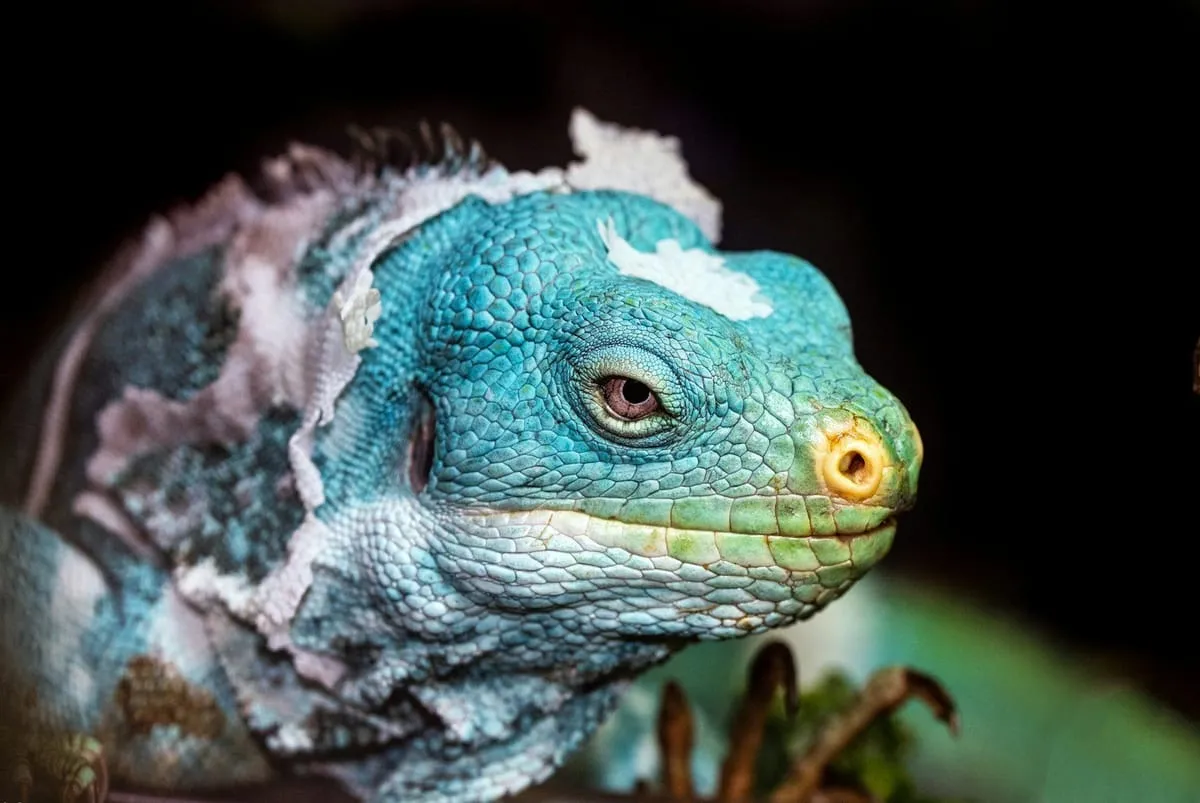
Why won't my reptile shed properly?

A patchy or stuck shed almost always comes back to humidity, not illness. Here is what causes it, how to help safely, and when retained shed needs a vet.

Hannah Cole

Health

Signs of a respiratory infection in reptiles

Wheezing, mucus around the mouth or nose, and breathing with the mouth open are the classic signs, and low humidity or the wrong temperature is usually behind it. Here is what to look for and when it is a vet visit, not a wait-and-see.

Hannah Cole

Health

Why UVB and heat matter so much for reptiles

Get the lighting and heat wrong and a reptile slowly develops crippling bone disease, the most common preventable illness in captive reptiles. Here is why they matter, and how to get them right.

Hannah Cole

Health

Why won't my reptile eat

A reptile that stops eating panics new keepers, but the cause is usually the enclosure, not illness. Here is what to check first, and when it really is a vet job.

Hannah Cole