Metabolic bone disease, usually shortened to MBD, is one of the most common and most preventable illnesses in captive reptiles, and it is also one of the easiest to miss until it has already done real damage. It develops slowly, over weeks or months of a calcium shortfall the reptile’s body quietly compensates for, right up until it cannot anymore. Knowing what the early stage actually looks like is what lets an owner catch it while it is still an easy fix rather than a permanent problem.
The usual note applies here as much as anywhere: I am not a vet, and any reptile showing signs below needs an exotics vet to confirm what is happening and start treatment. What follows is what to look for and why it happens, not a home diagnosis.
The early signs that are easy to explain away
This is the stage that matters most, because it is also the stage most owners talk themselves out of.
A gentle softness along the lower jaw, sometimes described as a “rubber jaw” once it is more advanced, is often one of the first things to feel if you handle your reptile regularly. A leg that looks very slightly turned, bowed, or not quite tracking straight when your reptile walks, rather than an obvious limp, is another early tell. Reduced enthusiasm for climbing or basking, tiring faster during normal activity, or a subtle reluctance to put weight on one side can also be the start of it. None of these look dramatic on their own, and it is genuinely tempting to decide your reptile is just having an off day. That temptation is exactly why so many cases are only caught once they reach the next stage.
What it looks like once it progresses
Left uncorrected, the signs stop being subtle.
Visibly swollen or bowed limbs, a soft or drooping lower jaw that no longer sits flush, a noticeably bumpy or kinked spine or tail, and difficulty gripping branches or lifting the body off the ground all point to bone that has genuinely weakened and started to deform under normal use. Muscle tremors or twitching can appear too, since calcium plays a role in muscle and nerve function as well as bone, and in advanced cases the bones become fragile enough that ordinary movement, a jump off a branch or even just walking, can cause a fracture. This stage is painful, and it does not resolve on its own no matter how the diet or lighting is corrected from here.
Why it happens, and who is most at risk
The chain behind almost every case is the same one covered in why UVB and heat matter for reptiles: without adequate UVB, a reptile cannot make the vitamin D3 it needs to absorb dietary calcium, so no matter how much calcium is in the diet, the body cannot use it. Faced with a shortfall, the body pulls calcium out of the bones to keep the heart, nerves, and muscles running, and the bones pay the price.
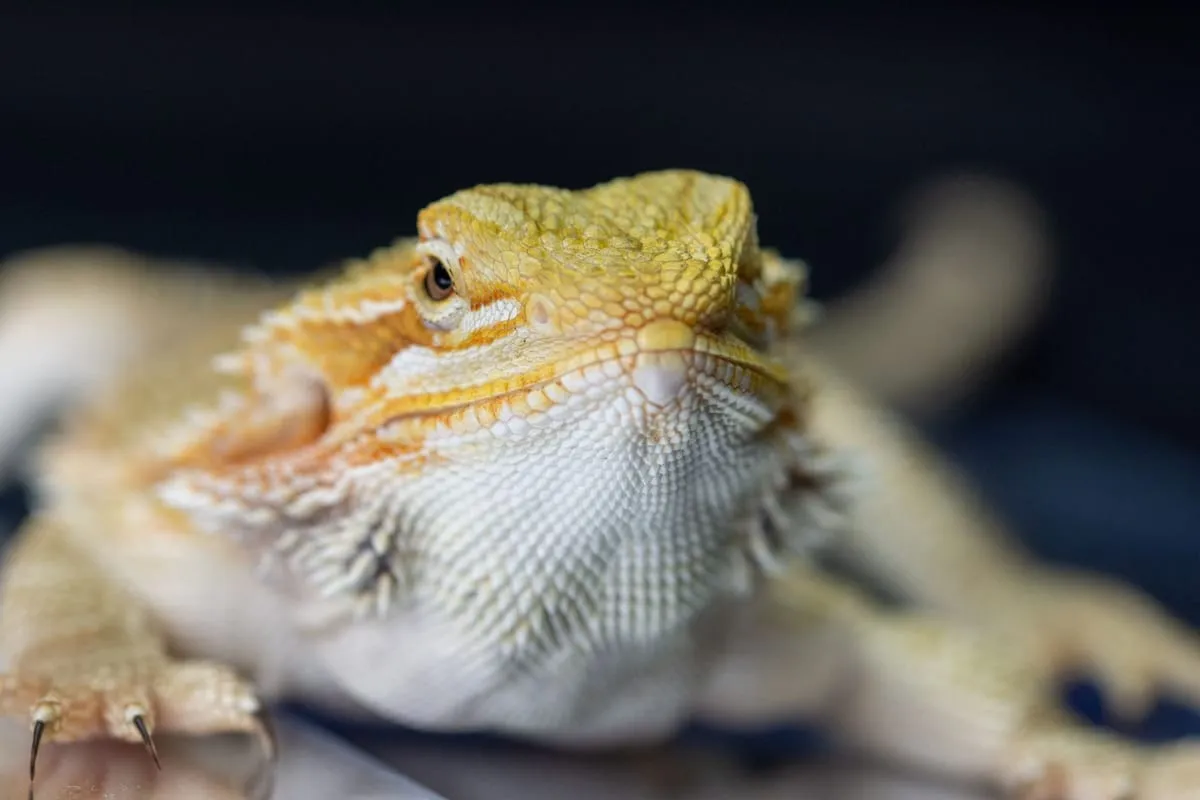
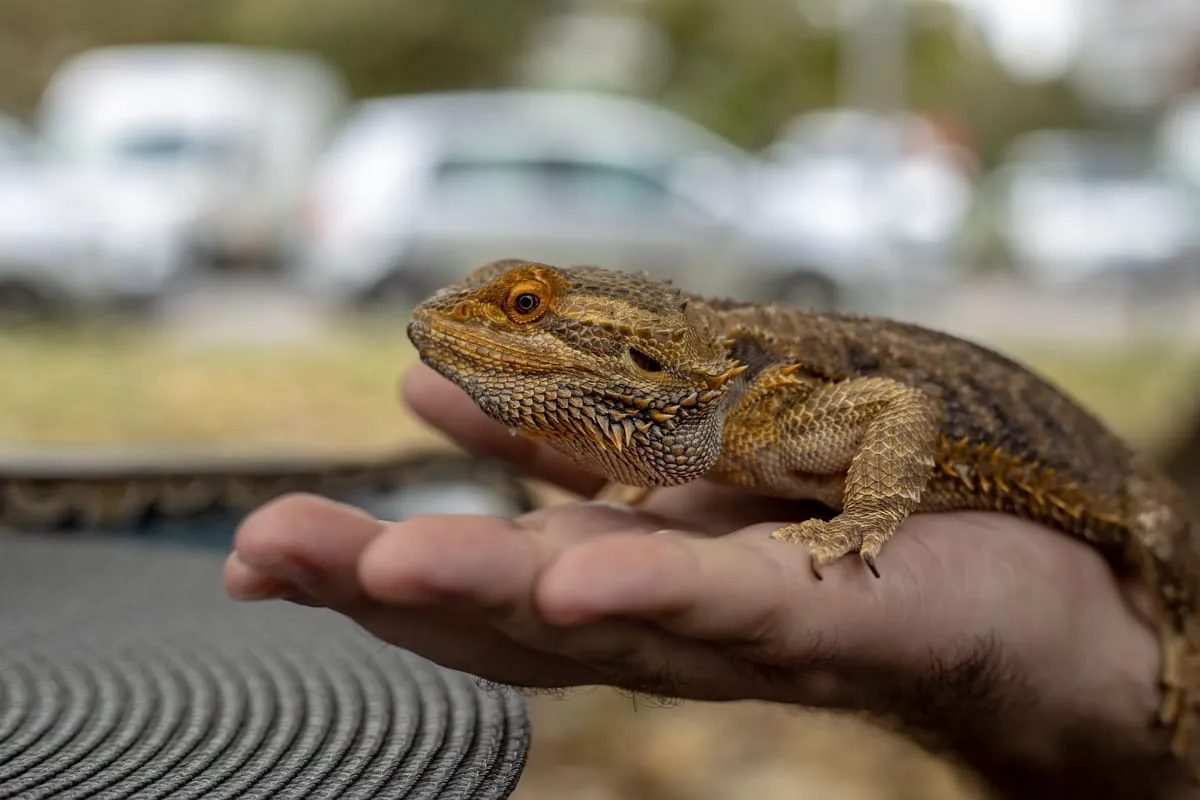
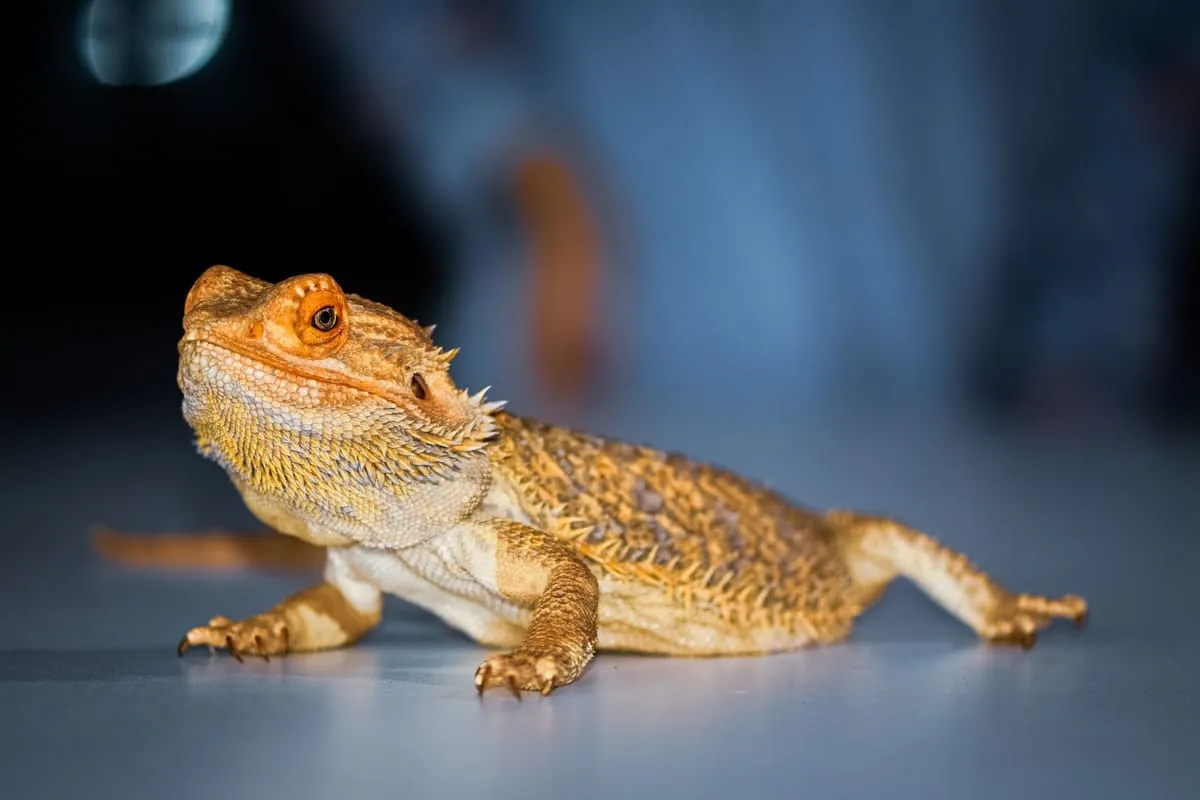
Fast-growing young lizards are the classic case, bearded dragons and green iguanas most often, because they are laying down skeletal structure quickly at precisely the life stage a new owner is still learning the setup. But it is not limited to young lizards. Any UVB-dependent species kept on inadequate lighting, an aging bulb well past its effective UVB output, or a diet genuinely short on calcium is at risk regardless of age, which is why feeding your reptile the right diet and supplements and correct UVB have to work together rather than either one covering for the other.
What a vet visit actually involves
Diagnosis usually starts with a physical exam and often an x-ray to see how the bones actually look, sometimes alongside blood work to check calcium levels directly. Treatment for a confirmed case typically combines correcting the husbandry, real UVB at the right distance and a properly supplemented diet, with vet-directed calcium supplementation, and in more affected animals, supportive care and time for the bone to strengthen under close monitoring. Products like Repti Calcium with D3 and correct-output lighting such as a ReptiSun 10.0 UVB are the tools of ongoing prevention and vet-directed treatment, not a substitute for the vet visit itself once MBD is actually suspected.
Metabolic bone disease is frightening precisely because it is so preventable and so easy to miss at the same time. The fix, correct UVB replaced on schedule, a properly supplemented diet, and paying attention to how your reptile actually moves rather than just whether it is eating, is neither expensive nor complicated. What it needs is catching early, and that starts with knowing that a slightly soft jaw or a leg that looks not quite right is not nothing.
Common questions
- What causes metabolic bone disease in reptiles?
- Almost always a shortage of usable calcium, which usually comes from too little UVB light, too little dietary calcium, or both together. Without enough UVB, a reptile cannot make the vitamin D3 it needs to absorb calcium from food, so its body starts pulling calcium out of its own bones to keep other systems running, and the bones weaken as a result.
- What are the earliest signs of metabolic bone disease?
- The earliest signs are subtle, a slight softness you can feel along the lower jaw, a leg that looks very slightly bowed or turned rather than obviously deformed, mild reluctance to move or climb, or a reptile that seems to tire more easily than it used to. These are easy to miss or explain away, which is exactly why they matter, catching it here means a much better outcome than waiting for a swollen limb.
- Can metabolic bone disease be reversed?
- Early and moderate cases usually respond well to correcting UVB, diet, and calcium under veterinary guidance, and many reptiles regain good function. Advanced cases, with significant bone deformity or fractures, often cannot be fully reversed, and some damage is permanent even once the underlying deficiency is fixed, which is why early action matters so much more than treatment after the fact.
- Which reptiles are most at risk of metabolic bone disease?
- Fast-growing young lizards raised without correct UVB or calcium are the classic case, bearded dragons and green iguanas most often, because their bones are laying down structure quickly at exactly the age owners are most likely to still be getting the setup right. Any UVB-dependent species kept without adequate lighting or calcium is at risk, at any age, not only lizards and not only juveniles.